Best Cutting Board for Your Knives: Material Rules
A board can add or subtract months from an edge. Learn which materials are gentle, which are harsh and how to care for each.
 By BuyOnceChoice Editorial Team
Updated November 16, 2026
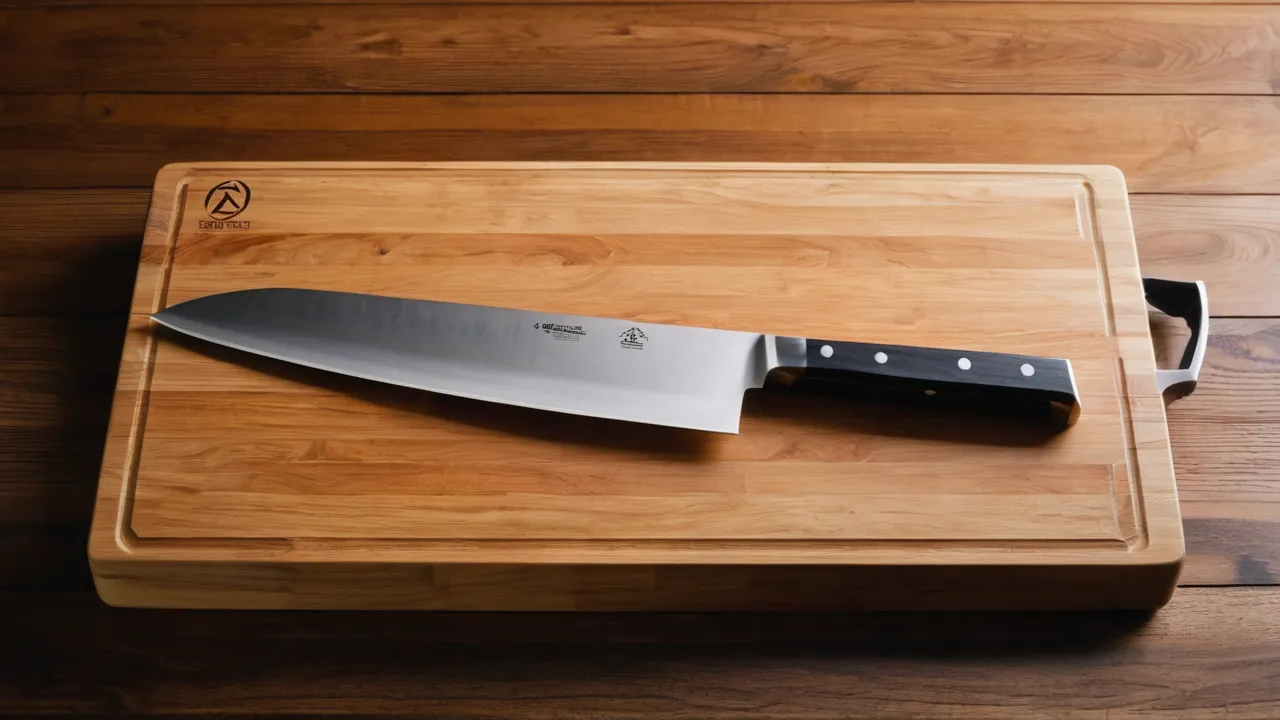
The best cutting board for your knives is one that is softer than the steel edge and gives slightly under the blade: end grain wood, edge grain hardwood, and quality plastic or rubber all qualify, while glass, stone, ceramic and very hard bamboo dull a knife quickly. Choose the material first, then size, thickness and care, and your edges will stay sharp for longer between honings.
Why Board Hardness Matters
A knife edge is very thin. When the blade meets the board, the edge can roll, chip or wear slightly, and the harder and less forgiving the board, the more it punishes the edge. A board that yields a little lets the edge sink in and recover, a board that does not gives it no relief.
Hardness is not the only issue. Grain direction, surface finish and the way a board is made all affect how it treats a knife. A glued bamboo board, for example, can be hard because of its fibers and glue, even though it is a plant material. A stone or glass board is hard all the way through. Our chef’s knives category covers the blades these boards protect.
Do not expect any board to remove the need to sharpen. Even the gentlest board lets an edge wear down with use, since cutting food does dull a blade over time. The aim is to slow the wear and keep the knife from chipping.
Wood Boards: Edge Grain and End Grain
Wood is the classic choice for good reason. Wood fibers compress under the blade and spring back, which is easier on the edge. Dense hardwoods such as maple, walnut and cherry are common. Very hard species are tougher on edges, and very soft woods gouge and wear quickly, so a medium hardwood is a good compromise.
Edge Grain
Edge grain boards are made of long strips glued together with the long side of the wood facing up. They are durable, stable and generally less expensive than end grain. They are kind to knives, though less so than end grain. Look for a thick board that resists warping.
End Grain
End grain boards use blocks arranged so that the ends of the wood fibers face up. The blade slides between the fibers, which then close back up, so these boards are the gentlest on edges and can show fewer knife marks. They are heavier, cost more and need regular oiling to prevent cracking. They can also be harder to keep clean if they are neglected.
Plastic and Rubber Boards
Plastic boards, usually high-density polyethylene, are softer than steel and widely used in kitchens. They are light, inexpensive, often dishwasher safe and easy to sanitize. They show knife marks, and deep grooves can trap food, so replace a board that is heavily scarred. Quality matters: thin, hard plastic is rougher on edges than a thick, slightly softer board.
Rubber and composite boards, often made of rubber with wood fiber or similar materials, are popular with professional kitchens because they are gentle on knives, stay put and are durable. They can be heavy and may carry a rubber odor at first. If you use them, check the maker’s care instructions, since some should not go into a dishwasher.
Materials That Dull Edges
- Glass: very hard and slippery, it dulls and chips edges fast.
- Granite, marble and stone: hard, dulls edges and can chip the blade.
- Ceramic and porcelain: same problem, with the added risk of chipped blades.
- Metal and steel boards: hard and noisy, unsuitable for edges.
- Very hard bamboo: harder than many woods and held together with glue, it can be tougher on edges than the label suggests. If you choose bamboo, check the construction and keep knives honed.
These surfaces can be useful for other jobs. A stone slab works for rolling dough and serving cheese. Just do not cut on them with a good knife.
Size, Stability and Care
A board should be large enough to give you room: a surface big enough for the longest knife you use and the food you cut. Thick boards resist warping and feel stable. Use a damp towel or a non-slip mat under a board that slides. If a board is too small, food falls off and the knife may hit the counter or the board edge.
Care depends on the material. Wash wood by hand with warm soapy water, dry it standing on edge and oil it periodically with a food-safe mineral oil. Do not soak wood or put it in the dishwasher. Plastic and rubber can often go in the dishwasher, but check the instructions, and replace them when they are deeply grooved. Keep separate boards for raw meat and ready-to-eat foods to lower cross-contamination risk, and wash and sanitize boards that touch raw meat, following food safety guidance.
A Buying Checklist and Common Regrets
Before you buy, run through a short list. Check the material and construction on the product page, and be wary of listings that say only “natural” or “eco” without naming the wood or composite. Ask whether the board has a juice groove, which helps with meat and fruit but reduces usable surface. Look at the thickness, since a very thin board of any material tends to warp or slide. Check the weight, because a board that is too heavy to move to the sink will end up unused. Look for rubber feet or a non-slip underside if you work on a smooth counter, and confirm the care instructions, in particular whether the board is dishwasher safe.
Common regrets include buying a beautiful decorative board that is too small for real prep work, a glass board bought for looks, a thin plastic board that warps in the dishwasher and an end grain board that cracked because it was never oiled. Another is using one board for everything, which makes cross-contamination more likely and wears a single surface faster. A simple setup of one larger wood board for general prep and one plastic board for raw meat covers most kitchens.
Finally, think about how often you cut and what you cut. A cook who chops onions every day will wear a board far faster than someone who slices bread on weekends, and the board should be sized and priced to match. If you use a Japanese-style knife with a hard, thin edge, lean toward the gentlest option, since fine edges chip more easily on hard surfaces. For a softer, thicker German-style blade, you have a little more margin, but the same material rules still apply.
Which Board for Which Cook
- Home cook who wants one board: a thick edge grain hardwood board in a medium hardwood, large enough for everyday prep.
- Cook with a prized knife: end grain wood or a quality rubber or composite board, with regular honing.
- Cook who wants easy cleaning and low cost: a thick plastic board, replaced when scarred.
- Cook who handles raw meat often: a dedicated plastic or composite board that can be sanitized, and a separate wood board for produce and bread.
- Cook who has little counter space: a smaller thick board, with a mat to keep it stable.
A Worked Example
A home cook owns a mid-priced chef’s knife and cuts vegetables and meat daily. She has a glass board that came with a set and notices she must hone the knife constantly. She switches to a thick edge grain maple board for vegetables and bread and a plastic board for raw chicken. After a few weeks the knife needs honing less often, and the plastic board goes into the dishwasher. The knife did not change, the surface did, and that is why material is the first rule.
Quick Rules to Remember
If the board makes a hard, clacking sound under the blade, it is too hard. If it leaves deep, rough grooves quickly, it is too soft or worn. If it slides on the counter, add a mat. If it warps, it was too thin or was soaked. Check these simple signs before you spend more.
For more on how we weigh these claims, see how we review, and explore the cookware and kitchen tools hub for related guides.
Frequently Asked Questions
What is the best cutting board material for protecting knife edges?
End grain wood is generally the gentlest, followed by edge grain hardwood and quality rubber or composite boards. Plastic is softer than steel and acceptable if thick and replaced when scarred. Avoid glass, stone, ceramic and metal, which dull edges fast.
Is bamboo good for knives?
It can be hard on edges, since bamboo boards are made of fibers and glue and can be harder than many woods. Some people use them without trouble, but if you care about edge life, choose end grain or edge grain hardwood and keep knives honed.
Are plastic cutting boards bad for knives?
Not usually. Quality plastic, typically high-density polyethylene, is softer than steel and gentle enough for most knives. Thin, hard plastic is rougher, and heavily scarred boards should be replaced. Plastic can often go in the dishwasher, making it practical for raw meat.
How do I keep a wood cutting board from cracking?
Wash by hand, dry it on edge, never soak it and oil it with food-safe mineral oil as the wood looks dry. Avoid heat and direct sun. Thicker boards and end grain boards benefit most from regular oiling.
Final Thoughts
Pick a board that is softer than your steel: end grain or edge grain hardwood, quality plastic or rubber. Skip glass and stone for cutting, size the board for your knife, keep it stable and care for it by material. The right board protects your edge more than any gadget.
Related buying guides
- Carbon vs Stainless Steel Knives: Care and Edge
- Chef Knife Buying Mistakes to Avoid
- Chef Knife Length: 6, 8, or 10 Inch
About the author

The BuyOnceChoice Editorial Team researches durable products worth buying once. Our guides compare published specifications, warranty terms, expert review consensus, and verified owner feedback. We do not conduct our own product trials. See How We Review and our Editorial Policy for our standards.