Chef Knife Buying Mistakes to Avoid
Sets pad the count, the wrong size tires your hand, and a dull edge is a hazard. Avoid these chef knife mistakes before you buy once.
 By BuyOnceChoice Editorial Team
Updated November 16, 2026
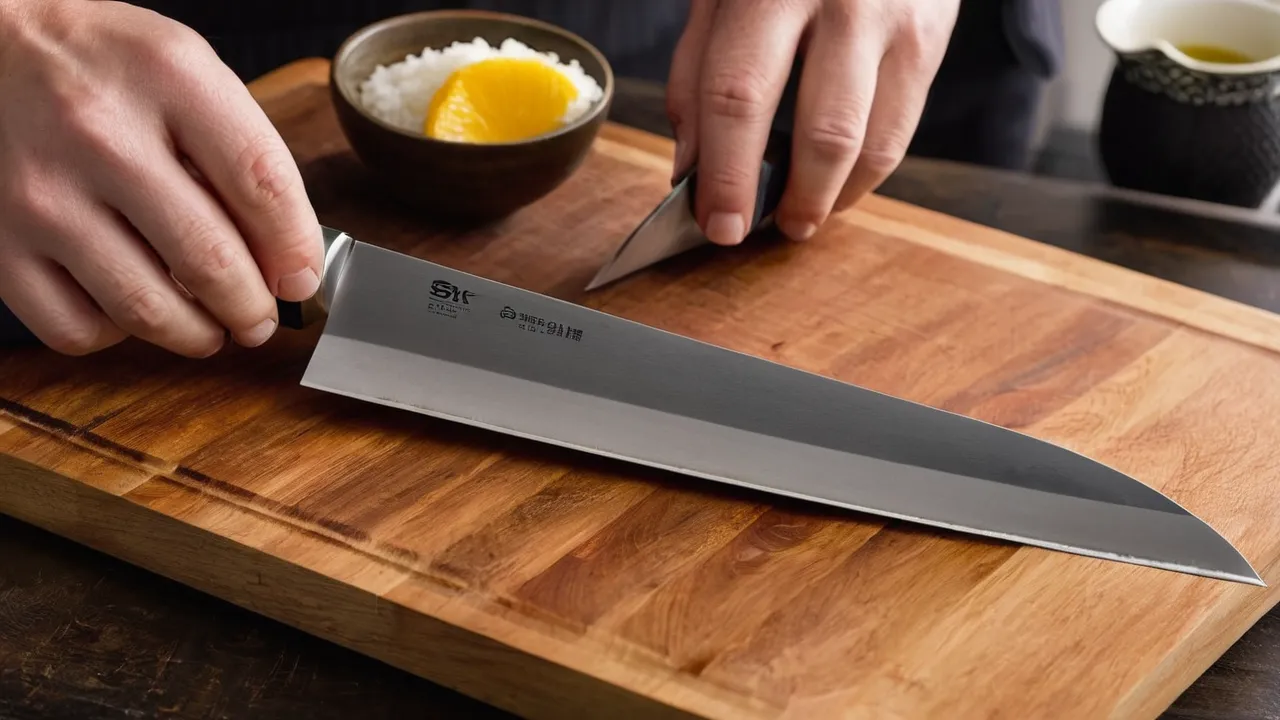
The most common chef knife buying mistakes are buying a block set you do not need, choosing the wrong blade length, paying for looks, picking a steel that does not match your habits, skipping honing and sharpening and storing the knife badly. Each mistake below comes with a fix, so you can buy one good knife, keep it sharp and avoid a replacement purchase.
Why Chef Knife Mistakes Cost So Much
A chef knife is the tool you use most in the kitchen, and a poor choice shows up every day. A knife that is too long feels clumsy, one that is too soft dulls fast and one that is badly stored chips or rusts. Because good knives last for years, a wrong purchase can mean years of annoyance or a second purchase. Our chef knife category lists the knife types in more detail, and this guide focuses on the mistakes that cause the most regret.
The Six Mistakes and the Fix for Each
Mistake 1: Buying a Block Set
A large block set looks like value, but it often pads the count with knives you rarely use, such as steak knives, shears and several small utility blades, while the chef knife itself is average. The block also takes up counter space and can hide a dull or poorly fitted knife. Fix: buy one good chef knife, a paring knife and a serrated bread knife, then add others only when a real need appears. Three good knives cover most kitchens.
Mistake 2: Choosing the Wrong Size
A knife that is too long for your hand, your board or your cutting style feels unwieldy, and one that is too short makes slicing slow. Fix: most home cooks do well with an 8 inch blade, and smaller hands or small boards may prefer 6 to 7 inches. Hold the knife with a pinch grip, check that you can control the tip and make sure the blade clears your board. Our length guide goes into this in more detail.
Mistake 3: Paying for Looks
Hammered finishes, decorative handles and dramatic patterns can raise the price without improving performance. A knife that is pretty but poorly balanced is still a poor tool. Fix: judge the knife by blade steel, edge geometry, balance, handle comfort and fit and finish. Hold it, if you can, and look for a smooth spine, even grind and a handle that sits comfortably.
Mistake 4: Choosing a Steel That Does Not Match Your Habits
Carbon steel knives take a fine edge but rust if left wet, and very hard stainless blades hold an edge well but chip if twisted or used on bones. Soft stainless is tough but dulls faster. Fix: match the steel to how you care for knives. If you wash and dry carefully, carbon steel can suit you. If you want low maintenance, choose a good stainless knife. Check the maker’s description of the steel and heat treatment.
Mistake 5: Skipping Honing and Sharpening
Even the best knife dulls with use. Many owners blame the knife, when the problem is that it has never been honed or sharpened. Fix: hone the edge regularly with a honing rod, which realigns a rolled edge, and sharpen on a stone or have a professional sharpen it when honing no longer restores the edge. A sharp knife is safer, since a dull one slips.
Mistake 6: Poor Storage and Care
Tossing a knife in a drawer chips the edge and risks cuts. Putting it in the dishwasher dulls the blade and damages the handle. Fix: wash by hand and dry right away, and store in a block, a magnetic strip or a sheath. Keep knives out of the sink where hands reach in blindly. Use a wood or soft plastic board, not glass or stone.
How to Judge a Knife Before You Buy It
If you can visit a shop, hold the knife with a pinch grip, where your thumb and forefinger pinch the blade just ahead of the handle. The knife should feel balanced, neither tipping toward the blade nor the handle by a lot. Check that your knuckles clear the board when the blade is flat on it, and that the handle has no sharp seams or edges. Look along the spine for straightness, and along the edge for an even grind with no chips or waves.
If you are buying online, rely on the product page: blade length, weight, steel name, handle material and construction. A knife described only with adjectives is hard to judge. Look at whether the page lists the steel and whether the blade is stamped or forged, though neither term guarantees quality. Read the return policy, since a knife that does not feel right in your hand should be returnable. Compare weight too: heavier knives feel stable and do more of the work on hard vegetables, while lighter ones are quicker and less tiring on long prep.
Consider the type of cutting you do. If you rock the blade on the board, a curved belly helps. If you push cut or chop straight down, a flatter profile suits you. Neither is better, and your habits should guide the shape.
Honing and Sharpening: A Simple Schedule
A schedule prevents the dull-knife regret. Hone for a few strokes on each side before or after cooking sessions, once or twice a week for regular use. Sharpen when honing stops working, which for many home cooks is a few times a year. If you cook daily, you may need to sharpen more often, and if you cook rarely, less. A whetstone gives you control, a guided system is easier for beginners and a professional sharpener is a good choice if you do not want to learn.
Do not use a pull-through sharpener on a fine, hard knife without checking the maker’s advice, since some remove more metal than needed. Do not chop on glass, stone or ceramic, and do not twist the blade in a cut. These habits matter as much as the steel.
A Quick Checklist Before You Buy
- Do I need a set, or just a chef knife, a paring knife and a bread knife?
- Does the length suit my hand and my board?
- Is the steel suitable for my care habits?
- Is the knife balanced, with a comfortable handle?
- Do I have a way to hone and sharpen it?
- Do I have a safe place to store it?
- What does the warranty cover?
If you can answer yes to these, the purchase is likely to serve you well.
A Worked Example
A new cook receives a gift: a 15-piece block set. The set has a chef knife that is a little long for the cook’s hand, steak knives that stay in the block and a pair of shears that do not cut well. The cook cuts with the chef knife for six months, then finds it dull and has no way to sharpen it. The cook ends up buying a better 7 inch chef knife and a honing rod, which solve both problems. The lesson is not that sets are bad, but that fit, steel and maintenance decide how well the knife serves you.
A second cook buys a single 8 inch stainless chef knife, a paring knife and a serrated bread knife, plus a honing rod and a wood board. They hone weekly and sharpen twice a year. Years later, they still use the same knives. The second cook spent about the same as the first, but on tools that suit them.
Which Mistakes Cost the Most
Of the six, the wrong size and the lack of maintenance cost the most over time, because they affect every use. Buying a set wastes money up front, and paying for looks wastes money without hurting use. A wrong steel can be a mild annoyance or a regular source of rust and chips. Poor storage causes the sudden problems, such as a chipped edge or a cut finger.
If you are limited in budget, spend on the chef knife and a way to keep it sharp, not on a set. For how we weigh such advice, see how we review, and browse the cookware and kitchen tools section for related guides.
Frequently Asked Questions
Is a knife block set worth buying?
Rarely. Most block sets pad the count with knives you will seldom use, and the chef knife may be average. It is usually better to buy a good chef knife, a paring knife and a bread knife, then add others only when you need them.
What is the most common mistake when buying a chef knife?
Choosing the wrong size or ignoring fit. A knife that does not suit your hand or board feels awkward and is less safe. Hold it, check balance and handle comfort, and choose a blade length that you can control, often around 8 inches.
How often should I sharpen a chef knife?
It depends on use. Hone often, even weekly, and sharpen when honing no longer restores the edge, which might be a few times a year for a home cook. If the knife slips on a tomato skin, it is time.
Should I put chef knives in the dishwasher?
No. The heat, detergent and tumbling can dull edges, damage handles and cause rust. Wash by hand with mild soap, dry immediately and store the knife in a block, a sheath or on a magnetic strip.
Final Thoughts
Buy one well-fitting chef knife with a steel that matches your habits, skip padded sets and pretty finishes, and keep the edge true with regular honing and sharpening. Store knives safely, and you will likely avoid the second purchase.
Related buying guides
- Chef Knife Length: 6, 8, or 10 Inch
- Forged vs Stamped Kitchen Knives: Is It Worth It
- German vs Japanese Knives: Which Fits Your Cooking?
About the author

The BuyOnceChoice Editorial Team researches durable products worth buying once. Our guides compare published specifications, warranty terms, expert review consensus, and verified owner feedback. We do not conduct our own product trials. See How We Review and our Editorial Policy for our standards.