Chef Knife Length: 6, 8, or 10 Inch
An 8 inch blade suits most cooks, a 6 or 7 inch blade helps small hands and boards, and 10 inches suits big prep. Use hand and board rules to pick.
 By BuyOnceChoice Editorial Team
Updated November 16, 2026
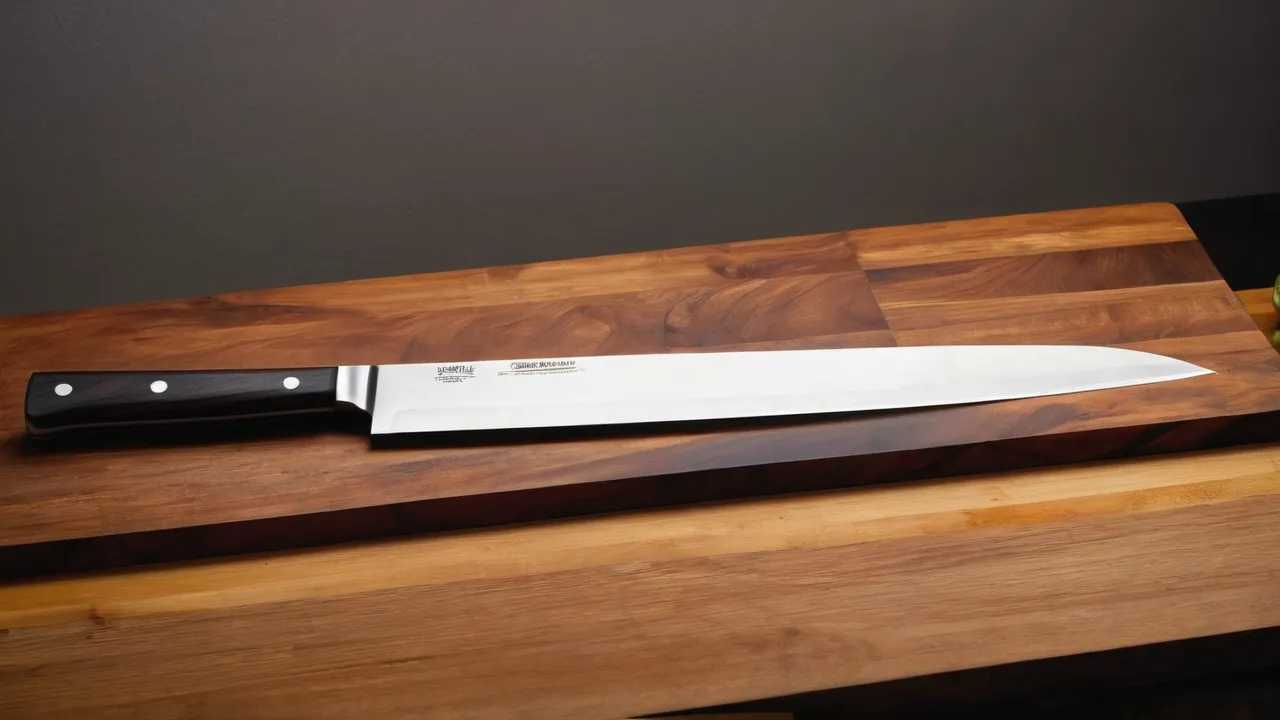
For most home cooks, an 8 inch chef knife is the best size: it is long enough to slice and chop efficiently and short enough to control on a standard cutting board. Choose a 6 to 7 inch knife if you have small hands, limited board space or like a nimble feel, and a 10 inch knife if you have large hands, a big board and cut large items like melons and roasts often.
How Blade Length Is Measured
Chef knife length refers to the blade, measured along the cutting edge from the tip to the heel, where the blade meets the handle. The handle is not counted. Many makers round the number, so a knife sold as 8 inches may measure a little more or less. The overall length of the knife, including the handle, is larger by several inches.
Some knives list their length in millimeters, especially Japanese-style knives, where common sizes are 180, 210 and 240 millimeters. As a rough conversion, 180 millimeters is about 7 inches, 210 is about 8.25 inches and 240 is about 9.5 inches. Check the product page for the actual measurement, and be aware that the usable edge, the part that can cut flat on the board, is shorter than the full blade. Our chef knives category lists the types in detail.
The Hand Size Check
Hand size affects control more than most people expect. The knife should feel like an extension of your hand. A very long blade in a small hand is hard to steer, and a short blade in a big hand makes your knuckles crowd the board.
Use a simple check. Hold the knife with a pinch grip, with your thumb and forefinger on opposite sides of the blade at the base, and the other fingers wrapped around the handle. Make a few chopping motions on a board or in the air. You should be able to lift and lower the tip with little effort, and the handle should fill your palm without cramping. If the handle feels tiny, the knife is too small or the handle is a poor shape. If your wrist tires within a minute or two, the knife is probably too long or too heavy.
As a rough guide, people with smaller hands often feel most comfortable with 6 to 7 inch knives, medium hands with 8 inch knives and large hands with 8 to 10 inch knives. Treat this as a starting point, not a rule, since grip style and cutting habits change the answer.
The Board Space Check
A long knife needs room. A chef knife is used with a forward and back motion that moves across the board, and the blade length should leave space for the food and for the tip to clear the end of the board. Measure your cutting board. A board that is 12 inches long is tight for a 10 inch knife, since the blade and the food together will run out of room. A board 15 to 18 inches long handles an 8 inch or 10 inch knife with ease.
Check the counter space as well. If your workspace is a small countertop next to the stove, a shorter knife is easier to manage and safer. If you have a large island and a big board, you can use a longer blade. Also check your sink and your storage, since a very long knife may not fit in a block slot or a drawer.
What Each Length Does Best
- 6 inch: nimble for small tasks, trimming, herbs and small vegetables. It lacks the reach for big items, and may feel like an oversized utility knife.
- 7 inch: a middle ground in many Japanese-style knives. It is easy to control and big enough for most prep.
- 8 inch: the all-purpose size. It handles onions, carrots, chicken, herbs, cabbage and most daily tasks.
- 9 to 10 inch: good for long slicing strokes, large melons, big cabbages, roasts and bulk prep. It needs space, strength and confidence.
If you cut many different foods, 8 inches is the safest choice. If you do mostly small tasks, 6 to 7 inches may be better. If you prepare large amounts of food, consider 10 inches, along with a good board.
Matching Length to Cooking Habits
Think about what you cook and how you cut. A cook who dices onions, slices chicken and chops herbs daily is well served by an 8 inch knife. A cook who mostly cuts small vegetables on a tiny board may prefer 6 or 7 inches. A cook who processes large amounts for family meals, batches or meal prep may enjoy a 9 or 10 inch knife. A cook with arthritis or limited strength may find a shorter, lighter knife easier and safer.
Cutting style matters too. If you rock the blade, a curved belly and moderate length help. If you push cut with a flat profile, a longer blade can help you slice more in one stroke. If you use a claw grip with your guiding hand, make sure the blade height and length let your knuckles guide the blade without hitting the handle.
A Worked Example
A cook with average hands and a 14 inch board is choosing between a 7 inch and an 8 inch knife. At a shop, the cook picks up both and does a pinch grip. The 7 inch feels agile, but the cook notices that a large onion barely fits under it. The 8 inch feels slightly longer but still controlled, and it clears the board with room for food. The cook picks the 8 inch. Another cook with small hands and a small counter tries the same two knives and finds the 8 inch fine but the 7 inch more comfortable, so she picks the 7 inch. Both choices are right because each one fits the person and the space.
A Quick Fit Method Before You Buy
- Measure your board length and the space where you cut.
- Think about the largest food you cut regularly.
- Hold the knife with a pinch grip and check balance.
- Make cutting motions, and check that your knuckles clear the board.
- Try a 7 or 8 inch first, and move up or down only if it feels wrong.
- Check the return policy if you are buying online.
If you cannot try a knife in person, choose 8 inches unless you have a clear reason to go smaller or larger.
Handle, Weight and Balance
Length is only one factor. A well-balanced 8 inch knife can feel lighter and more controllable than a poorly balanced 7 inch one. Balance point, the place where the knife rests on a finger, is usually near the bolster or the heel of the blade. Handle shape and size matter, since a handle that is too small causes cramping and one that is too large reduces control. Weight is a personal preference: heavier knives power through hard foods, and lighter ones are quicker and less tiring.
Also check the blade height, which is the distance from the edge to the spine at the heel. A taller blade gives your knuckles more clearance, which suits larger hands. See our kitchen tools section for related guides, and read how we review for how we treat sizing and balance claims.
Safety and Sharpness at Different Lengths
A longer blade puts more of your cutting hand away from the edge’s pivot point, so a slip travels farther. Do not choose a longer knife to look professional. Control matters more, and a sharp 8 inch knife is safer than a dull 10 inch one. Keep the guiding hand in a claw grip, curl the fingertips back, and let the flat of the blade rest against the knuckles. Cut away from your body, and never try to catch a falling knife. Store knives so that the tip does not point toward the hand that reaches for them, and keep children away from the cutting area. If you ever feel unsure about a particular knife in your hand, step down a size.
Also keep in mind that growing into a longer knife is possible. Many cooks start with 8 inches and, after a year of practice, find a 9 or 10 inch knife natural for certain jobs. Others discover that they prefer shorter blades forever. Buy for the cook you are today, and add the second knife when your habits tell you what is missing.
Frequently Asked Questions
What size chef knife is best for most people?
An 8 inch chef knife is the most versatile size for most home cooks. It handles a wide range of tasks and fits a standard cutting board. Choose 6 to 7 inches for small hands or small boards, and 10 inches only if you have the hands and the space.
Is a 10 inch chef knife too big for home use?
Not necessarily, but it needs a large board and a confident grip. It is good for big items and long slicing strokes, though it can feel unwieldy on small counters. If you are unsure, start with an 8 inch.
Is a 6 inch chef knife too small?
For small hands, small boards and light tasks it can be ideal. It lacks reach for large vegetables and meats. A 6 inch is a good second knife, or a first knife for someone who prefers a small, agile blade.
How do I measure a chef knife blade?
Measure from the tip to the heel along the cutting edge, not including the handle. Some makers round the figure, and Japanese-style knives are often listed in millimeters, such as 210. Check the product page for the exact blade length.
Final Thoughts
Choose an 8 inch chef knife unless your hand, board or habits point elsewhere. Check the pinch grip, the board space and the balance, move down to 6 or 7 inches for small hands and spaces and up to 10 inches only with room and experience.
Related buying guides
- Forged vs Stamped Kitchen Knives: Is It Worth It
- German vs Japanese Knives: Which Fits Your Cooking?
- Honing vs Sharpening a Knife: What Each Does
About the author

The BuyOnceChoice Editorial Team researches durable products worth buying once. Our guides compare published specifications, warranty terms, expert review consensus, and verified owner feedback. We do not conduct our own product trials. See How We Review and our Editorial Policy for our standards.