German vs Japanese Knives: Which Fits Your Cooking?
German knives trade some sharpness for toughness, while Japanese knives trade toughness for a finer edge. See which fits your habits and upkeep.
 By BuyOnceChoice Editorial Team
Updated November 16, 2026
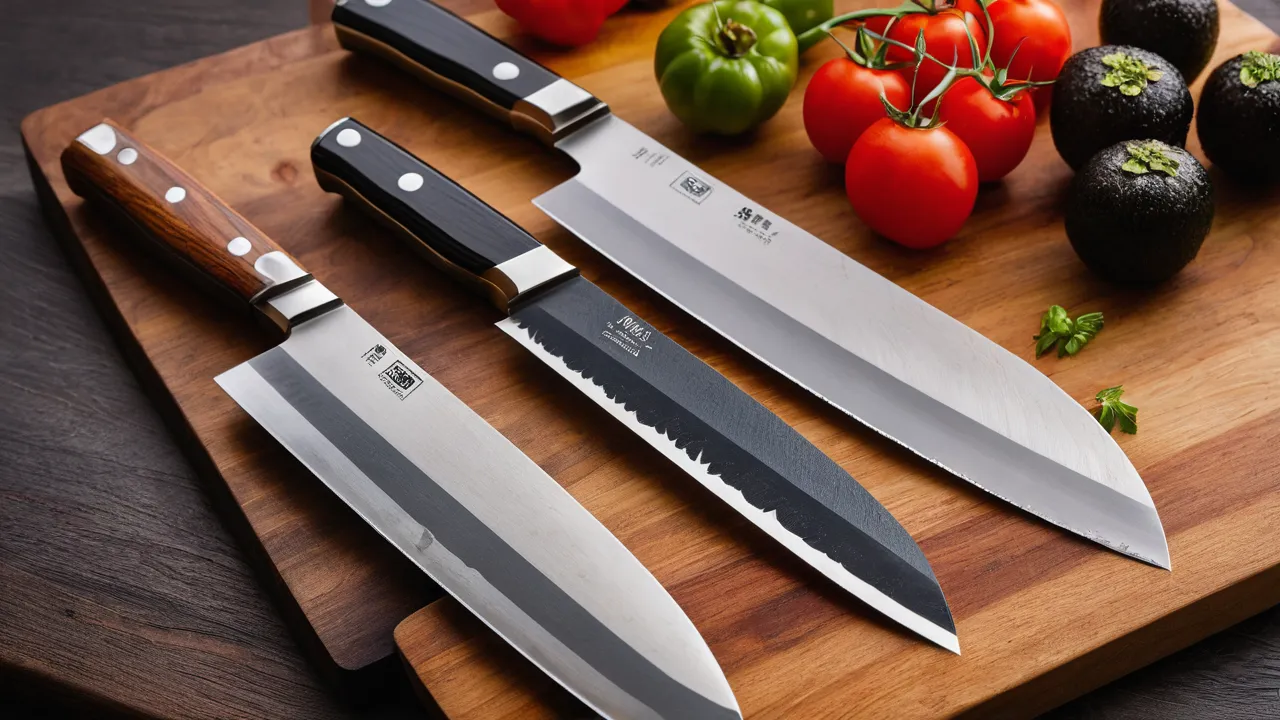
German knives are generally thicker, heavier and softer, with a curved belly built for rocking, while Japanese knives are generally thinner, lighter and harder, with a flatter profile built for precise push and pull cuts. Choose German-style if you want a tough, forgiving knife for heavy daily use, and Japanese-style if you want a keen, precise edge and are willing to care for it more carefully.
What the Two Traditions Mean
These labels describe design traditions more than strict rules. German-style, sometimes called Western-style, knives come from a lineage of heavy, durable kitchen tools made to handle butchery and general prep. Japanese-style knives developed from sword-making and fine slicing traditions, and favor sharpness and precision.
Today, makers on both sides borrow from each other. Japanese brands sell Western-shaped knives, called gyuto, that resemble a chef knife, and German makers sell thinner, harder blades. So treat the labels as tendencies and check the actual specifications of each knife. Our chef knives category covers the main types.
Edge Geometry and Steel Hardness
The most important difference is edge geometry. German-style knives usually have a wider edge angle on each side, which is more durable but less keen. Japanese-style knives usually have a narrower angle, which cuts more easily but is more delicate. Edge angles are rarely stated precisely, so look at how the maker describes the edge and the blade thickness.
Steel hardness follows a similar pattern. German knives are commonly made from steel that is softer on the Rockwell scale, so the edge bends and rolls instead of chipping, and it is easy to restore with a honing rod. Japanese knives are often made from harder steel, which holds a fine edge longer but can chip if misused. Specific figures vary by knife, so use them as a rough guide: Western knives tend to sit lower on the hardness scale, and Japanese knives higher, but there are many exceptions.
Blade profile differs too. German chef knives have a pronounced curve, which suits a rocking motion on the board. Japanese gyuto knives have a flatter profile that suits push cutting and slicing, and some, like the santoku, have an even flatter belly and a shorter blade. Neither is better, and your cutting style should guide the choice.
Chip Risk and Everyday Abuse
Harder steel is more brittle. A thin, hard Japanese blade can chip if it hits a bone, a frozen item, a hard squash or the edge of a glass or ceramic plate, or if you twist it in a cut. A chipped edge needs professional or careful sharpening to repair. A German knife, with softer steel and a thicker edge, is more likely to bend or dull than chip, and a few strokes on a honing rod usually fix it.
If your kitchen is busy and shared, or you cut with force, a German-style knife is more forgiving. If you cut carefully on a wood or soft plastic board, and use a lighter hand, a Japanese knife rewards you. Use the right knife for the right job: do not use a thin, hard blade to cut through bones or frozen food.
Maintenance and Sharpening Cost
Maintenance is where the two diverge in practice.
- German knives: hone often with a steel rod, sharpen a few times a year on a stone or with a sharpener, and they tolerate a pull-through sharpener better.
- Japanese knives: hone gently with a fine ceramic rod, sharpen on whetstones at a shallower angle, and avoid coarse pull-through sharpeners that can damage the edge.
If you plan to sharpen at home, a Japanese knife asks you to learn whetstone skills. If you plan to pay for sharpening, expect a professional sharpener to handle either, though Japanese knives may cost more per sharpening depending on the service. Over ten years, sharpening costs add up to a noticeable sum for either type, and learning to sharpen yourself can save money. Both types benefit from a good board and from hand washing.
Which Fits Which Cook
- Beginners who want a forgiving knife: German-style.
- Cooks who rock the blade on the board: German-style, with a curved belly.
- Cooks who push cut, slice vegetables thinly or prepare sushi and fine garnishes: Japanese-style.
- Busy households with shared knives: German-style.
- Cooks who enjoy sharpening and caring for tools: Japanese-style.
- Cooks with small hands who prefer light knives: Japanese-style, often lighter.
- Cooks who cut through hard items like squash and chicken bones regularly: German-style or a dedicated cleaver.
A Worked Example
A cook who rocks the knife on the board and cuts everything from onions to chicken carries out most prep with a German chef knife. It handles the work, needs only a quick honing and survives the occasional bump against the sink. Another cook who loves thin slices of vegetables and fish buys a Japanese gyuto and discovers how little force it needs. After a few months the cook notices a tiny chip where the blade touched a plate, and learns to cut on the board only. The same cook keeps a heavier German knife for squash and chicken bones. Between them, the two knives cover everything.
Decision Rules and Skip Rules
- Choose German-style if you value toughness, a heavier feel and low maintenance.
- Choose Japanese-style if you value sharpness, a light feel and precision and will take care.
- Skip a Japanese knife if you often cut bones or frozen foods, put knives in the dishwasher or share your kitchen with careless users.
- Skip a German knife if you want very thin slices and a delicate feel, and it feels clumsy.
- Consider a hybrid: a Western-style handle with a harder, thinner blade.
- If you have only one knife, pick the style that suits your habits, and add a second later.
What to Check on the Product Page
Because the labels are loose, rely on details. Look for the steel name and the stated hardness, the blade thickness at the spine, the weight, the blade length and profile, the handle type and the maker’s care instructions. If a page says “Japanese-style” but lists only a vague steel, ask for specifics. A knife from either tradition with clear details is easier to trust than one with a lot of adjectives. Check the warranty too, and see whether it covers chips, which many makers treat as misuse.
If you can, hold both types before you decide. Weight and balance are personal, and a knife that looks ideal on paper may feel wrong. Notice where the balance point sits, how the handle fits your palm and whether the blade clears your knuckles on the board. If you are buying online, read the return policy, since feel cannot be judged from a photo.
Mixing the Two
Many experienced cooks own both. A common pairing is a sturdy German-style chef knife for heavy tasks and a Japanese-style slicer or gyuto for fine work. If you want to try the Japanese style without committing, start with a mid-priced gyuto or santoku and see whether the lighter, thinner feel suits you. If you try it and find yourself worrying about every cut, the heavier style may fit you better, and there is no loss in going back. The best knife is the one you reach for.
Handles, Weight and Ten-Year Cost
Handles differ too. German-style knives usually have a full tang and a riveted, contoured handle, with a heavy feel. Japanese-style knives may have a wa handle, a lightweight wooden handle with a simple shape, or a Western handle. Weight changes fatigue: a heavy knife does more of the work but tires the hand over long sessions, and a light knife is nimble but needs more control.
Ten-year cost depends on the knife and your habits. A good German knife can last decades with honing and occasional sharpening. A good Japanese knife can last as long, but a chip or heavy sharpening can shorten its life. Consider the cost of sharpening, any replacement handles and a good board. Spending a little more on a knife that fits your habits is cheaper than buying two knives that do not.
For how we weigh such comparisons, see how we review, and browse the kitchen tools section for related guides.
Frequently Asked Questions
Are Japanese knives better than German knives?
Neither is better overall. Japanese knives are usually thinner and harder, with a keener edge and more risk of chipping. German knives are usually heavier and softer, tougher and easier to maintain. Choose by how you cut and how much care you will give.
Do Japanese knives chip easily?
They can, because harder steel is more brittle, particularly if used on bones, frozen foods, hard squash or ceramic and glass surfaces. Used carefully on a wood or soft plastic board, they hold up well. Choose a softer, thicker knife if you cut with force.
Which knife is easier to sharpen at home?
German knives are generally easier, since softer steel responds quickly to a honing rod and tolerates sharpeners. Japanese knives are sharpened on whetstones at a shallower angle, which takes practice but gives a keen edge. Both can be sharpened by a professional.
Can I use a Japanese knife for everyday cooking?
Yes, if you use it on the right board and avoid bones and frozen foods. Many home cooks use a Japanese gyuto daily. Hand wash, hone gently and sharpen carefully, and keep a sturdier knife for heavy tasks.
Final Thoughts
Pick German-style for toughness, weight and easy upkeep, and Japanese-style for precision, light weight and a keen edge that needs care. Check the specifications of each knife, since the labels are tendencies, and match the knife to your cutting style and habits.
Related buying guides
- Honing vs Sharpening a Knife: What Each Does
- How Many Knives Do You Need: Essential Knife Checklist
- How to Choose a Chef’s Knife: Steel, Size, and Handle
About the author

The BuyOnceChoice Editorial Team researches durable products worth buying once. Our guides compare published specifications, warranty terms, expert review consensus, and verified owner feedback. We do not conduct our own product trials. See How We Review and our Editorial Policy for our standards.