Forged vs Stamped Kitchen Knives: Is It Worth It
Forging and stamping describe how a blade is made, not how well it cuts. Learn what bolsters and balance really change before you pay more.
 By BuyOnceChoice Editorial Team
Updated November 16, 2026
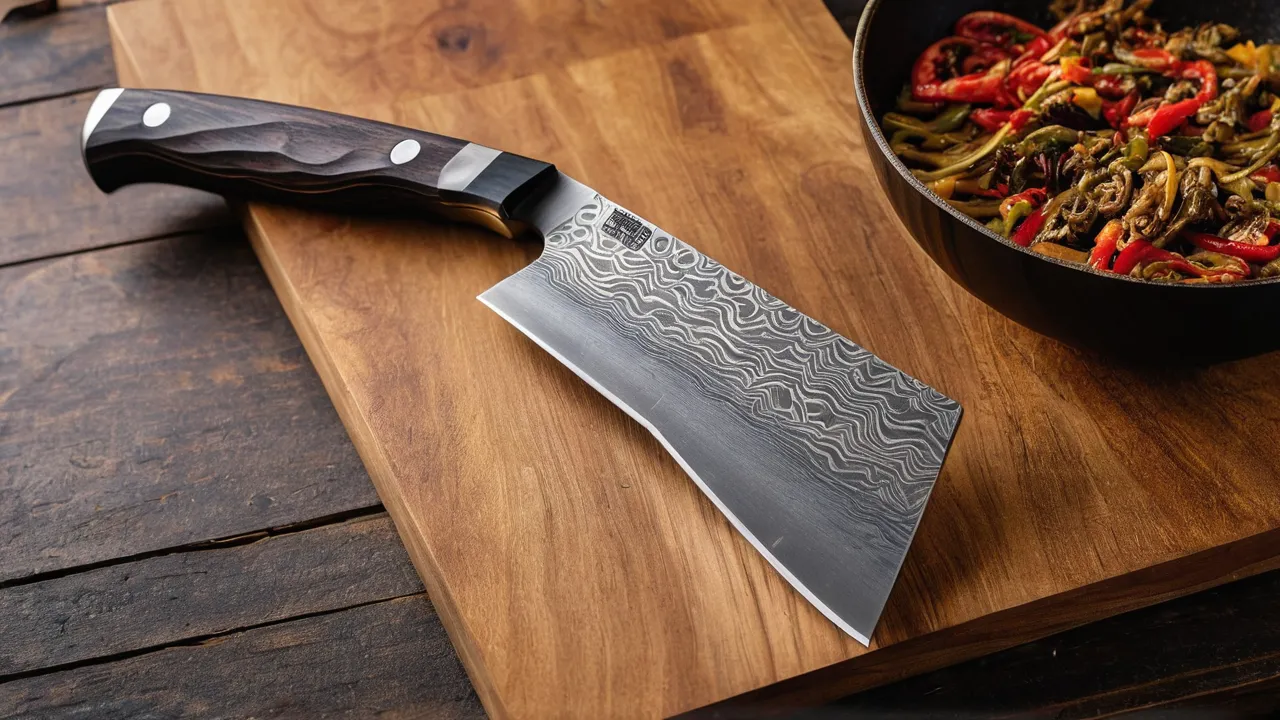
Forged knives are shaped from a heated bar of steel by hammering or pressing, and stamped knives are cut from a flat sheet of steel, and neither method decides how good a knife is by itself. Forged knives tend to be heavier, thicker and often have a bolster, while stamped knives tend to be lighter and thinner, so choose by balance, steel and fit in your hand, not by the label.
How Each Blade Is Made
A forged knife starts as a heated piece of steel that is shaped by pressing or hammering into the form of a blade, then ground, heat treated, sharpened and fitted with a handle. Many forged knives have a bolster, the thick band of steel between the blade and the handle, because the forging process leaves extra metal there. The bolster can be part of the design and not just a leftover.
A stamped knife is cut from a sheet of rolled steel using a die, like a cookie cutter, then ground, heat treated, sharpened and fitted with a handle. Stamped blades are uniform in thickness before grinding, and are cheaper to produce at scale. They are usually lighter and without a full bolster, though makers may add one for appearance or balance.
Modern manufacturing blurs the lines. Some stamped knives use high-quality steel and careful heat treatment, and some forged knives are made in a rush. The method does not tell you the steel, the heat treatment, the grind or the quality control, which matter more. Our chef’s knives category covers the knife types themselves.
Bolster, Balance and Weight
The bolster is the most visible difference. A full bolster runs from the spine to the heel of the blade and gives a forged knife its weight toward the front of the handle, which many cooks find balanced and secure for a pinch grip. A bolster also protects the hand from sliding onto the blade. But a full bolster makes it harder to sharpen the heel of the blade, since the bolster gets in the way, and some knives have a half bolster or no bolster to allow access.
Weight is a personal preference. A heavier forged knife gives momentum on tough vegetables and feels stable, but it can tire the hand over long sessions. A lighter stamped knife is nimble and easy to control for quick tasks and long prep. Neither is better, and some cooks switch between them by task.
Balance depends on where the weight sits. Hold the knife with a pinch grip and see where it rests. A balanced knife sits near the bolster, and a blade-heavy knife tips forward. Look for a knife that feels like an extension of your hand, regardless of how it was made.
What Forging Does Not Guarantee
Forging does not guarantee a better edge, better steel or a longer life. A forged knife can be made from soft steel that dulls quickly, or ground poorly so that the edge is uneven. A stamped knife can be made from excellent steel and heat treated carefully, and can outperform a mediocre forged one.
What matters more is the steel, the heat treatment, the grind and the fit and finish. A harder blade holds an edge longer but is more prone to chips, a softer one rolls but is tougher. A thin grind cuts easily and a thick grind is sturdier. The tang, the part of the blade that extends into the handle, also affects balance and durability. Look at these features and not only the word forged on the packaging.
Also be careful with marketing words like “precision forged” or “hand forged.” They can be accurate or vague. If a product page lists the steel name, the hardness, the grind angle and the tang type, you can compare with confidence. If it lists only adjectives, ask for details.
Durability and Daily Use
Forged knives are often thicker at the spine and heel, which can make them more robust for heavy tasks such as cutting squash, though a thick blade can wedge in hard foods. Stamped knives are thinner and can flex slightly under pressure, which can be good for slicing but poor for prying or twisting.
Handles matter for durability as much as the blade. Check that the handle is securely attached, with rivets flush and no gaps, and that the materials resist moisture. A full tang, where the steel runs through the handle, is a common sign of sturdiness, though some well-made knives use partial tangs. Both forged and stamped knives can have good handles.
Care affects life more than construction. Wash by hand, dry right away, store safely and sharpen when needed, and both types can last for years. Put either in a dishwasher and both will suffer.
A Worked Example
A home cook is deciding between a forged 8 inch chef knife and a stamped one. The forged knife is heavier, with a full bolster, and feels solid. The stamped knife is lighter, without a bolster, and feels nimble. The cook mostly chops vegetables and slices chicken in short sessions, and prefers the light feel. After checking the steel and the handle, the cook picks the stamped knife. A second cook who cuts large quantities of dense vegetables each weekend prefers the heft of the forged knife. Both cooks used feel and steel to decide, not the method.
Sharpening and Maintenance Differences
Sharpening works the same way on both types, but the bolster changes access. A full bolster can leave the last half inch of the edge near the handle hard to reach on a stone, and over many sharpenings the blade can develop a small notch or a curve near the heel, which is called a gap or a step. Some forged knives are ground to avoid this with a half bolster or a bolster that is cut back. If you sharpen at home, check the heel area before you buy, and ask the maker or seller if it is clear of the bolster.
Thin stamped blades can be sharpened quickly because there is less metal to remove, and a thin edge feels keen after a few passes. A thick forged blade takes longer to thin, but it may keep its shape under heavy use. Honing is the same for both: a few strokes on a rod before use keep the edge aligned.
A Note on Price
Price is a weak guide here. Forging takes more steps, so forged knives often cost more, but the cost can reflect labor and brand as much as performance. A well-made stamped knife can match or beat a forged one at the same price. When you compare, set the method aside, then ask what each knife offers in steel, handle and warranty for the money. A modest stamped knife with a good edge and a sound handle can be a smarter purchase than an expensive forged one with a weaker steel. If you are unsure, buy the one that feels best in your hand, since comfort affects how often and how safely you use it.
Choosing by Cook
- If you like a heavy, stable knife and cut dense foods often: a forged knife may suit you.
- If you like a light, nimble knife and do long prep sessions: a stamped knife may suit you.
- If you have a smaller hand or limited strength: a lighter knife of either type.
- If budget is tight: a good stamped knife often gives better steel for the money than a cheap forged one.
- If you sharpen your own knives: check that the bolster does not get in the way, and consider a half bolster.
- If you want a long-lasting knife: look at the steel, heat treatment and warranty more than the method.
What to Check on the Product Page
- The steel name and, if listed, the hardness.
- Whether the blade is forged or stamped, and the weight.
- The tang type and how the handle is attached.
- The grind and edge angle, if provided.
- The bolster type, full, half or none.
- The balance point or the weight distribution.
- The warranty and care instructions.
- The return policy, since feel is personal.
If a page gives few of these, it is harder to judge, and you may want to look for a product with clearer details. For how we weigh such claims, read how we review, and browse the cookware and kitchen tools hub for related guides.
Frequently Asked Questions
Are forged knives better than stamped knives?
Not automatically. Forged knives are often heavier and may have a bolster, while stamped knives are lighter and thinner. Steel quality, heat treatment, grind and fit matter more. Choose by balance and how the knife feels in your hand.
Is a bolster necessary on a kitchen knife?
No. A full bolster adds weight and hand protection but can make sharpening the heel harder. Half bolsters and no bolster designs are common, and many cooks prefer them. Choose the one that feels balanced and lets you sharpen easily.
Are stamped knives lower quality?
Not necessarily. Stamped knives are cheaper to produce, and many are very good, particularly those with quality steel and careful heat treatment. Poor stamped knives exist, as do poor forged ones. Judge by the specifications and by how the knife feels.
Is it worth paying more for a forged knife?
Only if the knife suits you and the steel and build are good. A higher price may reflect brand and process, not performance. Compare steel, handle quality, balance and warranty, and consider a stamped knife with good specifications as a strong value.
Final Thoughts
Forged and stamped describe how a blade is made, not how well it cuts. Pick by balance, weight, steel, handle and care, and treat the label as one clue among many. A well-fitted knife that you keep sharp will serve you better than any manufacturing term.
Related buying guides
- German vs Japanese Knives: Which Fits Your Cooking?
- Honing vs Sharpening a Knife: What Each Does
- How Many Knives Do You Need: Essential Knife Checklist
About the author

The BuyOnceChoice Editorial Team researches durable products worth buying once. Our guides compare published specifications, warranty terms, expert review consensus, and verified owner feedback. We do not conduct our own product trials. See How We Review and our Editorial Policy for our standards.