Knife Handle Materials: Wood, Composite, or Steel
Wood, composite, plastic and steel handles age differently. Compare grip, moisture, upkeep and dishwasher use to match the handle to your habits.
 By BuyOnceChoice Editorial Team
Updated November 16, 2026
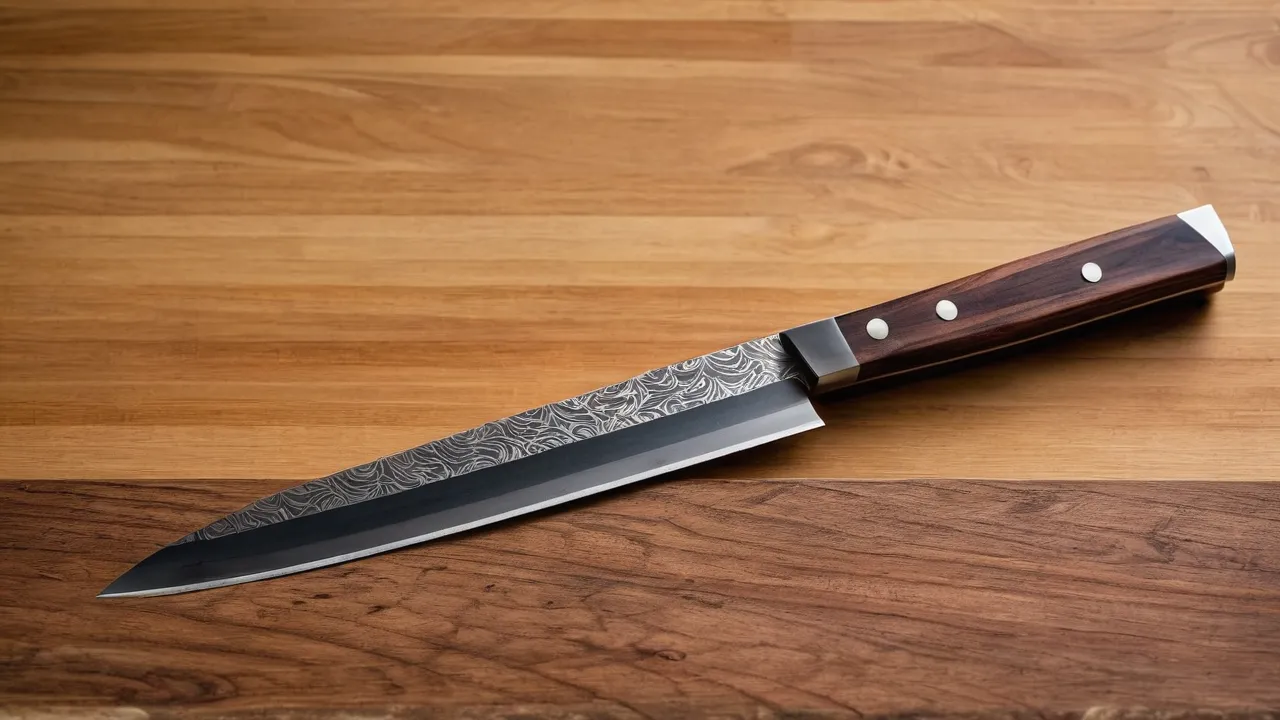
Knife handle materials fall into three main groups: natural wood, composite (resin-impregnated wood, G10, micarta, or reinforced plastic), and steel. For most home cooks, a composite handle is the safest all-round choice because it resists water, stays secure when wet, and needs little care. Wood suits cooks who like the feel and will oil it, and steel suits those who want maximum hygiene and durability.
Why the Handle Matters
The blade gets the attention, but the handle decides how the knife feels and how safely you can use it. A handle that is slick when wet, too small for your hand, or poorly joined to the blade makes cutting tiring and increases the chance of a slip. You hold the handle for every cut, so comfort, grip, balance, and resistance to moisture matter as much as the steel.
Handle material also affects care. Some materials tolerate hand washing and occasional dishwasher accidents, and others warp, crack, or discolor. The handle also changes balance, since a heavy steel handle shifts weight toward the back, and a light plastic handle shifts it forward. Think about how you cook, how you wash up, and how many people use the knife before choosing.
Wood Handles
Wood is the traditional choice. It feels warm, gives a secure grip, and looks good, and each handle has its own grain.
- Pros: comfortable, naturally grippy, attractive, and repairable with oil.
- Cons: absorbs water, which can swell, crack, or loosen the handle over time. It stains and needs periodic oiling. It is not suitable for the dishwasher.
- Care: hand wash, dry immediately, and apply food-safe mineral oil now and then.
- Best for: cooks who hand wash promptly, enjoy care, and value feel and appearance.
Many Japanese knives use wood handles, often with a D-shape or octagonal profile. Check the shape against your grip, because it matters more than the species of wood. Wood that is stabilized, which means impregnated with resin, resists moisture better than raw wood.
Composite Handles
Composite covers a range of man-made materials.
- Resin-impregnated wood, often sold under names like pakkawood: combines wood’s look with improved moisture resistance.
- G10 and micarta: layers of fiberglass or linen with resin, extremely durable and nonporous.
- Polypropylene, nylon, or reinforced plastic: lightweight and inexpensive, often with texture for grip.
- Synthetic rubber overmolds: soft, grippy, and common on utility and budget lines.
Pros: resist water, stains, and bacteria, hold up to repeated washing, and provide a secure grip, even when hands are wet or oily. Cons: some feel less warm, and a light plastic handle can leave the knife blade-heavy. Cheap plastic can crack or fade over time. Composite is the safest recommendation for households that wash by hand but sometimes leave knives wet, and for busy kitchens.
Steel Handles
Some knives use a handle of stainless steel, often hollow or cast in one piece with the blade.
- Pros: hygienic, since there are no seams or pores, extremely durable, and often dishwasher tolerant, though the dishwasher still dulls the blade.
- Cons: can be slippery when wet or greasy, and cold or heavy in the hand. Some hollow handles feel unbalanced, and solid ones can be tiring.
- Best for: cooks who value hygiene, cooks in professional settings, and those who like a heavy, balanced knife. Look for texture or ridges that help the grip.
How Handles Are Attached
Material is only half of it. Construction affects durability.
- Full tang: the metal of the blade runs through the whole handle, with scales riveted or bonded on each side. It adds strength and balance.
- Partial or hidden tang: the metal extends into the handle only part way. It is common on lighter knives and on many Japanese styles, and can be strong if well made.
- Rivets and seams: smooth, flush rivets and tight joins resist dirt and water. Gaps trap food.
- Bolster: the thick collar between blade and handle adds weight and protects the hand, but can complicate sharpening.
Check the product page for the tang type and seam description. A knife with a poorly joined handle can loosen with age, which is a safety risk.
Comparison
| Handle | Grip when wet | Care | Weight | Durability | Best for |
|---|---|---|---|---|---|
| Wood | Good | Hand wash, oil | Medium | Moderate | Enthusiasts |
| Stabilized wood | Good | Hand wash | Medium | Good | Hand washers |
| Composite, G10, micarta | Very good | Easy | Medium | Very good | Most cooks |
| Plastic or polypropylene | Fair to good | Easy | Light | Good | Budget, busy kitchens |
| Steel | Fair | Easy | Heavy | Very good | Hygiene focus |
Our chef’s knife guides cover how handle choice fits with steel and size. Our How We Review page explains how we evaluate products using research and specifications rather than claims of our own trials, and the cookware and kitchen tools section covers related gear.
Choosing for Your Situation
- Small hands: look for a slimmer, contoured handle, often found on lighter composite or wood handles.
- Large hands: look for a full-size handle, since a small handle can cramp.
- Left-handed: choose symmetrical handles, because shaped grips can favor right-handed users.
- Wet or greasy work: textured composite handles.
- Hand wash only: wood or stabilized wood is fine.
- Dishwasher temptations: avoid wood, and note that even composite handles can fade over time, so hand washing is still best.
Worked Example: Two Kitchens
A busy family kitchen with children and quick cleanups does well with composite handles on the main knives, which tolerate being left on the counter and wiped down. A cook who enjoys the craft of cooking, washes each knife immediately, and likes a warm feel might choose a stabilized wood handle and oil it twice a year. Neither is wrong, and the choice reflects habit more than quality.
Safety and Hygiene Considerations
A handle should be easy to clean and should never loosen. Porous materials such as untreated wood can hold moisture and food residue, so wash them promptly and dry them well. Nonporous composites and steel are easier to keep clean. Check seams and the joint between handle and blade, because gaps collect food and bacteria. Replace or retire a knife whose handle is cracked, splintered, or loose, since a failing handle can cause a slip. Never soak a knife with a wood handle in a sink. Keep knives with raw meat or fish separate from other tools until they are washed, and use a cutting board that is cleaned between tasks.
Balance and Weight in Practice
Balance describes where the knife’s weight sits. Place the knife across a finger at the bolster, or the point where blade meets handle. A balanced knife stays level or tips slightly toward the blade. A handle that is heavy with a short blade tips back, and a light plastic handle on a long blade tips forward. Neither is wrong, but you should know what you prefer. Cooks who rock a chef’s knife often like a slight forward balance, and those who slice with long strokes often like a neutral balance. Steel handles pull weight toward the rear, and wood and composite handles of similar size usually sit lighter. Read the stated weight of the whole knife and its length, and compare with a knife you already like.
Common Regrets With Handle Choice
- Buying a wood-handled knife and then putting it through the dishwasher.
- Choosing a very slim handle that cramps over long prep sessions.
- Picking a slick steel handle for a kitchen where hands are often wet or greasy.
- Overlooking the tang and rivet quality because the handle looks attractive.
- Assuming a Japanese-style handle shape will feel natural without trying it.
- Ignoring the return policy when buying online.
Most of these are avoided by reading the product page carefully and choosing a shape that matches your grip.
Refinishing and Repair
Wood handles can be refreshed. Sand lightly with fine sandpaper if the surface is rough, wipe dust off, and rub in food-safe mineral oil, then wipe off the excess. Cracked wood or loose scales are better handled by the maker or a knife repair service, because a glued fix may not hold under repeated use. Composite and steel handles rarely need refinishing. If a rivet loosens, stop using the knife until it is checked.
Frequently Asked Questions
What is the best knife handle material?
For most people, a composite material such as G10, micarta, or stabilized wood resin is the best all-round choice, since it resists moisture and stays grippy. Wood is great for enthusiasts who will care for it, and steel is good for hygiene and durability. Match the material to how you wash and store your knives.
Are wood handles bad for kitchen knives?
No, but they need care. Water can swell and crack raw wood handles, so dry them promptly and oil them occasionally. Stabilized wood resists moisture better. If you often leave knives wet or use a dishwasher, choose composite instead.
Are plastic knife handles good?
They can be. Quality polypropylene or reinforced plastic handles are durable, hygienic, and grippy. Cheap plastic can feel hollow, crack, or leave the knife blade-heavy. Check the construction, the tang, and the seam where handle meets blade before buying, and read what the maker says about care.
Do steel handles get slippery?
They can when wet or greasy, especially if smooth. Look for texture, ridges, or a contoured shape that adds grip. Many cooks prefer steel handles for hygiene and weight, but do check how the knife feels in your hand, since a handle that feels fine dry may slip when wet.
Final Thoughts: Pick the Handle That Fits Your Habits
Choose composite for low maintenance, wood for feel and care, and steel for hygiene and weight. Look at shape, tang, and construction, not only the material, and hand wash your knives whatever the handle.
Related buying guides
- Santoku vs Chef’s Knife: Which One First
- Whetstone vs Pull Through Sharpener: Which to Own
- Best Cutting Board for Your Knives: Material Rules
About the author

The BuyOnceChoice Editorial Team researches durable products worth buying once. Our guides compare published specifications, warranty terms, expert review consensus, and verified owner feedback. We do not conduct our own product trials. See How We Review and our Editorial Policy for our standards.