Carbon vs Stainless Steel Knives: Care and Edge
Carbon steel sharpens easily and rewards careful owners, while stainless forgives neglect. See how patina, rust and edge life compare.
 By BuyOnceChoice Editorial Team
Updated November 16, 2026
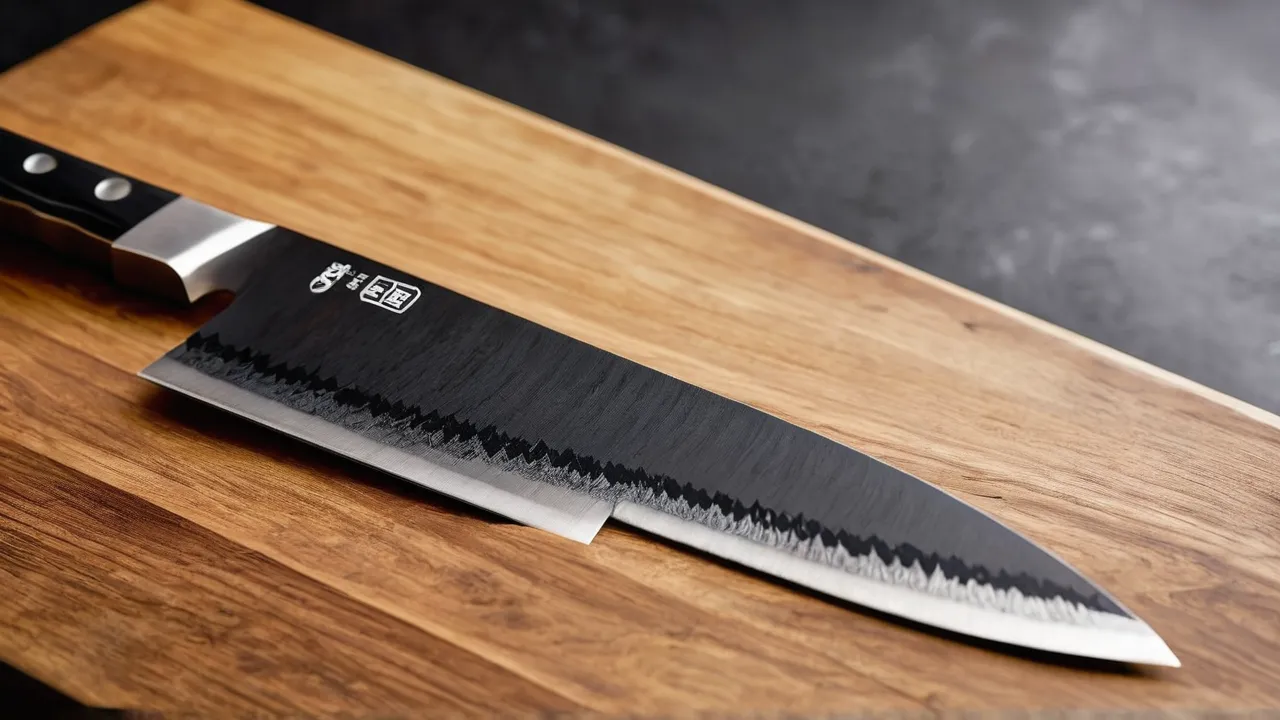
Carbon steel knives take a keener edge and are easier to sharpen but rust or stain if you leave them wet, while stainless steel knives resist rust and need less care but usually lose their edge a bit faster. Choose carbon steel if you are willing to wipe and dry the blade after each use, and choose stainless steel if you want a knife that tolerates a busy kitchen with little fuss.
What the Metals Are
Both are alloys of iron and carbon. Carbon steel contains iron and carbon and little else, so it is reactive and develops a gray patina over time. Stainless steel adds chromium, typically at least about 10.5 percent by mass, which forms a thin protective film that resists corrosion. Knife makers also add elements such as molybdenum, vanadium and others to tune hardness and edge behavior, so two stainless knives can behave quite differently.
The words describe a spectrum more than a split. Some knife steels sit between the two, with enough chromium to resist rust better than plain carbon steel but less than a typical kitchen stainless. Product pages often name the steel, such as a specific grade, so look it up or ask the seller instead of assuming. Our chef’s knives page covers the blade types these metals appear in.
Edge Behavior and Sharpening
Carbon steel is known for taking a very fine edge and for sharpening quickly on a stone or honing rod. Many cooks like the feel of it, since it is easy to restore. It can lose its edge in use at about the same rate as a good stainless blade, depending on hardness and heat treatment, so the difference is often in how easy it is to bring back, not how long it lasts.
Stainless steel varies widely. Soft, inexpensive stainless can dull fast and be hard to sharpen well. Better stainless alloys with harder heat treatment hold an edge well, though they may take longer to sharpen and need more skill with a stone. If you use a pull-through sharpener, stainless steel is generally more forgiving.
What you cut matters as well. Acidic foods, such as onions, citrus and tomatoes, react with carbon steel and can leave stains and a metallic taste on the blade. Hard foods, bones and frozen items can chip any thin, hard edge, so use appropriate knives and boards.
Patina and Rust
Carbon steel reacts with water, air and acids. A thin gray or blue-black patina forms, which many owners welcome, because it protects the blade from heavier rust. But if you leave a carbon blade wet, you can get orange rust spots overnight, and deep rust pits the steel.
To handle rust, scrub the spot with a non-scratch abrasive, a paste of baking soda or a rust eraser, rinse, dry and wipe with a thin film of food-safe oil. Deep pitting cannot be removed, only slowed. A forced patina, made by soaking the blade in hot vinegar or mustard, is something some owners do to speed up the protective layer, though results vary and it is not required.
Stainless steel resists rust but is not immune. Salt, long contact with wet food, chlorides and dishwasher detergents can cause small pits or spots. Wash and dry it soon after use and it will stay bright.
Care Routine Compared
| Step | Carbon steel | Stainless steel |
|---|---|---|
| — | — | — |
| After cutting | Wipe clean and dry right away | Rinse and dry, can wait a short time |
| Washing | Hand wash only, dry at once | Hand wash recommended, dishwasher usually discouraged |
| Acidic foods | Wipe during and after use | Less concern |
| Storage | Dry place, light oil if humid | Dry place, block or sheath |
| Rust risk | High if neglected | Low |
| Maintenance level | Moderate | Low |
Both types should stay out of the dishwasher. The heat, detergent and tumbling can dull edges, damage handles and cause corrosion on any steel. Both benefit from regular honing and occasional sharpening, and from a wood or soft plastic cutting board.
A Worked Example
A home cook who cooks nightly buys a carbon steel gyuto because of the keen edge. The first week, the cook slices an onion, sets the knife on the counter and goes to eat. In the morning there are orange freckles on the blade. A baking soda scrub removes them, and the cook starts wiping the knife during prep and after use. The knife now has a gray patina and cuts beautifully. A second cook with young children and a hectic kitchen chooses stainless steel and never worries about leaving it for a few minutes. Both are happy, because each matched the knife to their habits.
Choosing by Task and Knife Type
The metal matters differently across the knife types in a kitchen. For a chef’s knife used daily on mixed foods, stainless steel is the lower-risk choice, because it handles wet boards, acidic foods and the occasional lapse in care. For a thin slicer or a vegetable knife that you use with care and sharpen often, carbon steel gives a fine edge that suits precise cuts. For a paring knife that sees fruit and citrus, stainless avoids the staining and metallic taste that carbon can pick up. For a boning knife used near raw meat, stainless is easier to sanitize and keep clean.
Think about heat treatment as well. A harder blade holds an edge longer but is more prone to chipping, and a softer blade bends or rolls instead. Both carbon and stainless knives come in a range of hardness, so the type of steel alone does not tell you how a knife will behave. If a product page lists a hardness figure, treat it as one clue and compare it with the blade’s thickness and grind. A thin, hard blade cuts well but needs careful use, and a thicker, softer blade tolerates more abuse.
Sharpening Basics for Each
Honing realigns a rolled edge and should be done often, with a honing rod or a fine ceramic rod. Sharpening removes metal to make a new edge, and it is needed less often. Carbon steel responds quickly to a few passes on a whetstone, so many owners sharpen themselves. Stainless knives sharpen well on stones or with a good guided system, and professional sharpening is an option if you prefer not to do it yourself. Use the angle the maker recommends, and ask a pro if you are unsure. A well-sharpened knife is safer than a dull one, since dull knives slip.
If you share your kitchen, label the carbon steel knife or keep it apart, so others do not leave it wet in the sink. Simple house rules make carbon steel workable even in a busy home.
Safety and Handling
Always cut away from your hand, use a stable board and store the knife safely in a block, a sheath or on a magnetic strip so it does not roll in a drawer. Keep knives out of reach of children. Carbon steel’s sharpness can give a false sense of safety, so be careful with a freshly sharpened edge. Never try to catch a falling knife. Handle blades with care, and carry knives pointed down with the edge away from your body.
If you wipe a carbon steel blade with oil, use a food-safe oil, wipe off the excess and keep the oil away from the cutting edge on the board. If a knife is rusty, clean it fully and rinse before cutting food.
Who Should Choose Which
- Choose carbon steel if you enjoy knife care, sharpen at home and want a very sharp, responsive edge.
- Choose stainless steel if you want a low-maintenance knife for daily use, a shared kitchen or a humid environment.
- Choose stainless if you cut lots of acidic foods and do not want to wipe the blade constantly.
- Choose carbon steel for a second knife, if you want a thin, sharp slicer for specific tasks.
- If you are unsure, start with a good stainless chef knife and add a carbon one later.
Think about the handle and the build, too, since a comfortable, well-balanced knife often matters more than the steel. For how we weigh such claims, see how we review, and browse the cookware and kitchen tools hub for related guides.
Frequently Asked Questions
Is carbon steel better than stainless steel for knives?
Neither is better overall. Carbon steel sharpens easily and takes a fine edge but needs wiping and drying to avoid rust. Stainless resists rust and needs less care but may be harder to sharpen. Choose by how much care you will give.
Do carbon steel knives rust easily?
They can, if left wet or in contact with acidic foods. Wipe the blade during and after use, dry it fully and keep it in a dry place. A gray patina is normal and can protect the steel, but orange rust needs to be cleaned off.
Can I put a carbon steel knife in the dishwasher?
No, and stainless knives should stay out of the dishwasher too. The heat, strong detergent and tumbling can cause rust, dull edges and damage handles. Wash by hand with mild soap and warm water, dry the blade immediately and store the knife safely in a block or sheath.
How do I remove rust from a knife?
Scrub the spot with baking soda paste or a rust eraser, rinse well and dry. Wipe a thin film of food-safe oil on a carbon steel blade afterward. Deep pits cannot be removed, and a heavily rusted knife may need professional sharpening.
Final Thoughts
Carbon steel rewards careful owners with an easy-to-sharpen, keen edge, and stainless steel rewards busy cooks with low maintenance. Match the steel to your habits, avoid the dishwasher with either, and keep the knife dry, honed and stored safely.
Related buying guides
- Chef Knife Buying Mistakes to Avoid
- Chef Knife Length: 6, 8, or 10 Inch
- Forged vs Stamped Kitchen Knives: Is It Worth It
About the author

The BuyOnceChoice Editorial Team researches durable products worth buying once. Our guides compare published specifications, warranty terms, expert review consensus, and verified owner feedback. We do not conduct our own product trials. See How We Review and our Editorial Policy for our standards.