How to Store Kitchen Knives: Block, Strip, Drawer
Loose knives in a drawer chip and cut hands. Compare blocks, magnetic strips, in-drawer trays and sheaths for edge care and household safety.
 By BuyOnceChoice Editorial Team
Updated November 16, 2026
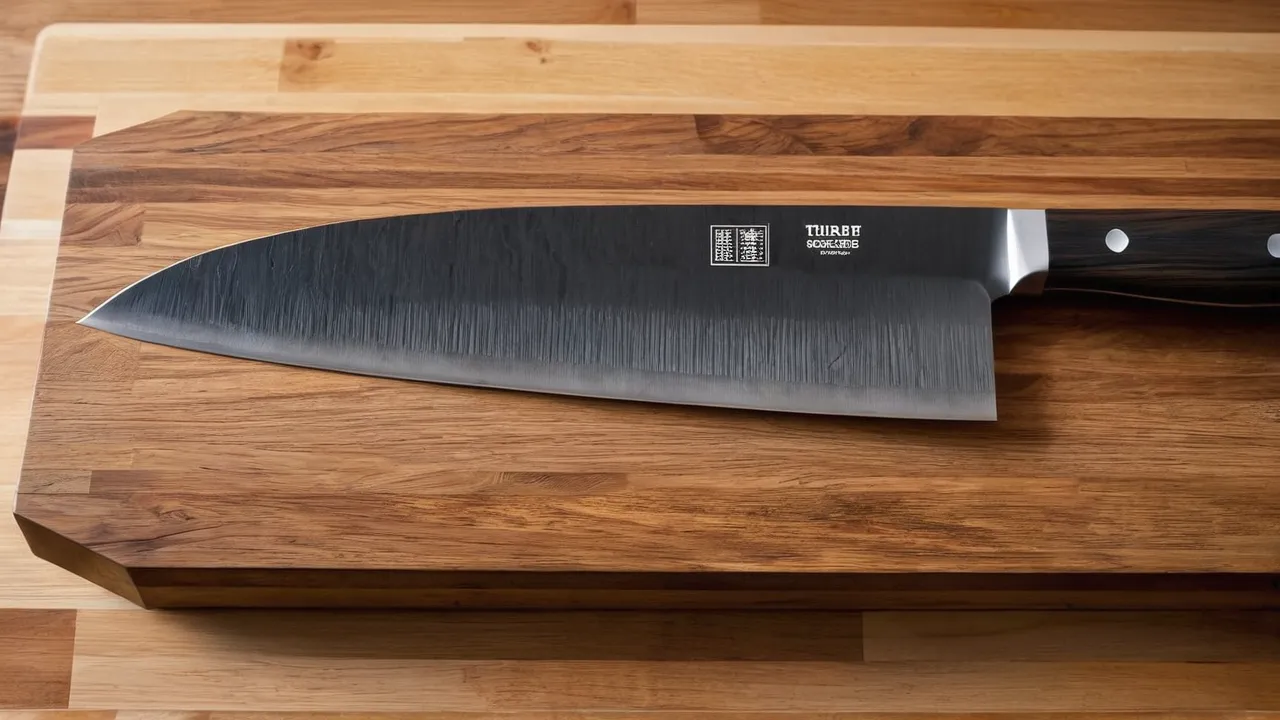
The best way to store kitchen knives is in a place that protects the edge and keeps the blades out of reach of children: a block with slots sized to the knives, a magnetic strip mounted securely on a wall, or an in-drawer tray with a slot for each blade. Loose knives thrown in a drawer are the worst option, because blades knock together and cuts happen when you reach in.
What Good Knife Storage Must Do
Four goals decide every choice. First, protect the edge, so the blade does not rub against metal, glass, or other knives. Second, protect people, which means the sharp edge is covered or out of casual reach, especially of children and guests. Third, keep the knives dry and clean, since moisture causes rust and spotting. Fourth, keep the knives easy to find and grab, because a knife that is hard to reach tempts you to use the wrong tool.
Before choosing, count your knives, measure the space, and think about who is in the house. A family with small children needs a different setup from a single adult in a studio apartment. The right storage is the one you will actually use after every wash.
Safety First
Store blades so children cannot reach them and so no one reaches into a crowded space blindly.
- Place knives out of children’s reach, either high on a wall, in a drawer with a child lock, or in a block set back on a counter.
- Never store knives loose in a drawer. A hand reaching for a spoon can find a blade.
- Mount magnetic strips into studs or with proper wall anchors, following the strip maker’s manual, and make sure the magnet is strong enough for the knife weight. A falling knife is dangerous.
- Put the knife away only when clean and dry, and handle it by the handle, edge away from you.
- Never try to catch a falling knife. Step back and let it drop.
- Do not hang a strip directly above a stove or a sink, where heat and moisture shorten life and create reach hazards.
For wall mounting, use a stud finder or the anchors rated by the strip maker. If you are unsure about the wall, ask a qualified handyman.
Knife Blocks
A countertop block holds knives in slots. It is the most familiar option and a good fit for a household that wants a ready set.
- Pros: protects the blade in a slot, keeps knives together, needs no installation, and keeps blades out of drawers.
- Cons: takes counter space, slots can trap moisture and crumbs, and slots can scratch a blade if the knife is dragged against them.
- Tips: insert and remove knives with the spine against the slot so the edge does not scrape, and make sure knives are fully dry. Some blocks hold knives edge up or horizontally, which reduces edge wear compared with slots that drag the edge down.
- Universal blocks with rods or fibers fit any knife, but the fibers can be hard to clean, and pieces of food can lodge in them. Check whether the block can be cleaned.
Match the block to your knives. A slot that is too tight scratches, and one that is too loose lets the blade rattle.
Magnetic Strips
A strip mounted on the wall keeps knives visible and within reach, and it saves counter and drawer space.
- Pros: easy to see and grab, air dries knives, frees counter space, and keeps edges from touching one another.
- Cons: needs secure mounting, exposes blades in plain sight, and may not suit homes with young children or in rentals where drilling is not allowed.
- Tips: place the spine on the magnet first and lay the blade flat, without dragging the edge across the strip. Check the strength of the magnet and the weight limit. Wooden strips with embedded magnets are gentler on edges than bare metal.
Not every knife works with a magnet. Ceramic blades and some non-magnetic steels will not stay on, so check the product page.
Drawer Trays and Inserts
An in-drawer knife tray holds each knife in a slot or on a foam bed, so blades lie flat and protected.
- Pros: hidden and safe from children, protects edges, saves counter and wall space.
- Cons: needs a drawer of the right depth, and knives can be harder to pick out than on a strip.
- Tips: measure the drawer length and depth. Choose an insert that holds long blades without bending, and keep the tray clean and dry. Orient knives with edges away from your hand as you reach.
Sheaths and Edge Guards
Individual sheaths protect single knives and are useful for carrying or for storing in a drawer when you do not have a tray. They cover the edge, protect hands, and extend the life of the blade. Make sure the knife is dry before it goes in, since a damp blade in a sheath can rust. Choose sheaths sized to the blade length and check that the inside lining does not collect grit.
Comparison
| Storage | Edge protection | Child safety | Space needed | Best for |
|---|---|---|---|---|
| Countertop block | Good with the right slots | Fair | Counter | Households wanting a ready set |
| Magnetic strip | Good if used carefully | Poor to fair | Wall | Small kitchens, frequent cooks |
| Drawer tray | Very good | Very good | Drawer | Families, tidy counters |
| Sheaths | Very good | Good | Little | Few knives, travel |
| Loose in drawer | Poor | Poor | Drawer | Avoid |
Our chef’s knife guides explain how to choose the knives you store, and the cookware and kitchen tools section covers related gear. Our How We Review page explains how we evaluate products using research and specifications.
Worked Example: Choosing for Three Kitchens
A family with toddlers and ten knives is best served by an in-drawer tray with a child lock, since blades stay hidden and protected. A single cook in a small apartment, with five knives and limited counter space, may do well with a magnetic strip anchored to studs, high on the wall away from the stove. A household that wants a tidy countertop set, with the main knives within reach, can use a block set back from the edge, with slots sized for each blade.
Care Habits That Matter More Than the Rack
- Wash knives by hand and dry them before storing, since moisture in a block or sheath causes rust and spotting.
- Never put knives in the dishwasher, where knocking and heat dull edges.
- Hone before use, and keep knives sharp, because a dull blade is more dangerous than a sharp one.
- Use a wood or plastic cutting board, not glass or stone.
- Wipe a carbon steel blade with a light film of oil if you store it for a long time.
Cleaning and Maintaining the Storage Itself
Storage needs cleaning too. Wooden blocks collect crumbs and moisture in the slots. Turn the block upside down and shake it, brush the slots with a narrow brush, and wipe the outside with a damp cloth. Let it dry fully before returning knives. Some owners run a thin dowel wrapped in a cloth through slots. Magnetic strips collect dust and fine metal filings, so wipe them with a damp cloth. Drawer trays can be lifted out and washed. Check the rubber or foam lining for crumbs, which can scratch blades.
If you see rust spots on a blade after storage, the knife was stored damp or in a humid spot. Remove light rust with a gentle abrasive recommended by the maker, wash, dry, and review your drying routine. Keep knife storage away from the dishwasher vent and kettle steam.
Storing Special Knives
Long slicers and bread knives may not fit in standard slots, so check lengths before buying a block or tray. Serrated knives need slots that do not catch the teeth. Cleavers are heavy, so give them a strong mount or a dedicated slot. Ceramic knives chip if they bang against other blades, so keep them in sheaths. Fine Japanese knives with thin edges deserve individual sheaths or a wood strip, since hard knocks can chip them. Always follow the maker’s care instructions for unusual materials, and keep knives that you rarely use in sheaths in a drawer rather than on display.
Frequently Asked Questions
Is a magnetic strip bad for knives?
Not if used carefully. Place the spine on the magnet first and lay the blade down flat, without scraping the edge along the strip. A wooden strip with embedded magnets is gentler on edges. Check that the strip is mounted securely and that the magnets are strong enough for your knife weights.
Is it okay to store knives in a drawer?
Yes, as long as they are in a tray, sheath, or insert that keeps blades from touching each other and from your hands. Loose knives in a crowded drawer dull quickly and cause cuts. A drawer tray is also a good choice for homes with children.
Do knife blocks dull knives?
They can if slots drag the edge as you insert and remove the blade, or if the slots are too tight. Insert knives with the spine against the slot, use a block with slots sized to your knives, and dry blades fully before storing them.
Where should I mount a magnetic knife strip?
Mount it on studs or with rated wall anchors, at a height children cannot reach, within easy reach of your prep area. Keep it away from the stove and sink, and follow the maker’s installation manual. If in doubt about the wall, consult a qualified professional.
Final Thoughts: Protect the Edge and the People
Pick storage that keeps edges safe, hands safe, and blades dry. A drawer tray suits families, a strip suits small kitchens when mounted properly, and a block works well for a ready set. Keep children in mind, and never store loose knives.
Related buying guides
- Kitchen Knife Sets: What to Look For and What to Skip
- Knife Handle Materials: Wood, Composite, or Steel
- Santoku vs Chef’s Knife: Which One First
About the author

The BuyOnceChoice Editorial Team researches durable products worth buying once. Our guides compare published specifications, warranty terms, expert review consensus, and verified owner feedback. We do not conduct our own product trials. See How We Review and our Editorial Policy for our standards.