Kitchen Knife Sets: What to Look For and What to Skip
Most sets pad the count with knives you rarely use. Learn which blades earn their space and what to check on steel, tang and the block.
 By BuyOnceChoice Editorial Team
Updated November 16, 2026
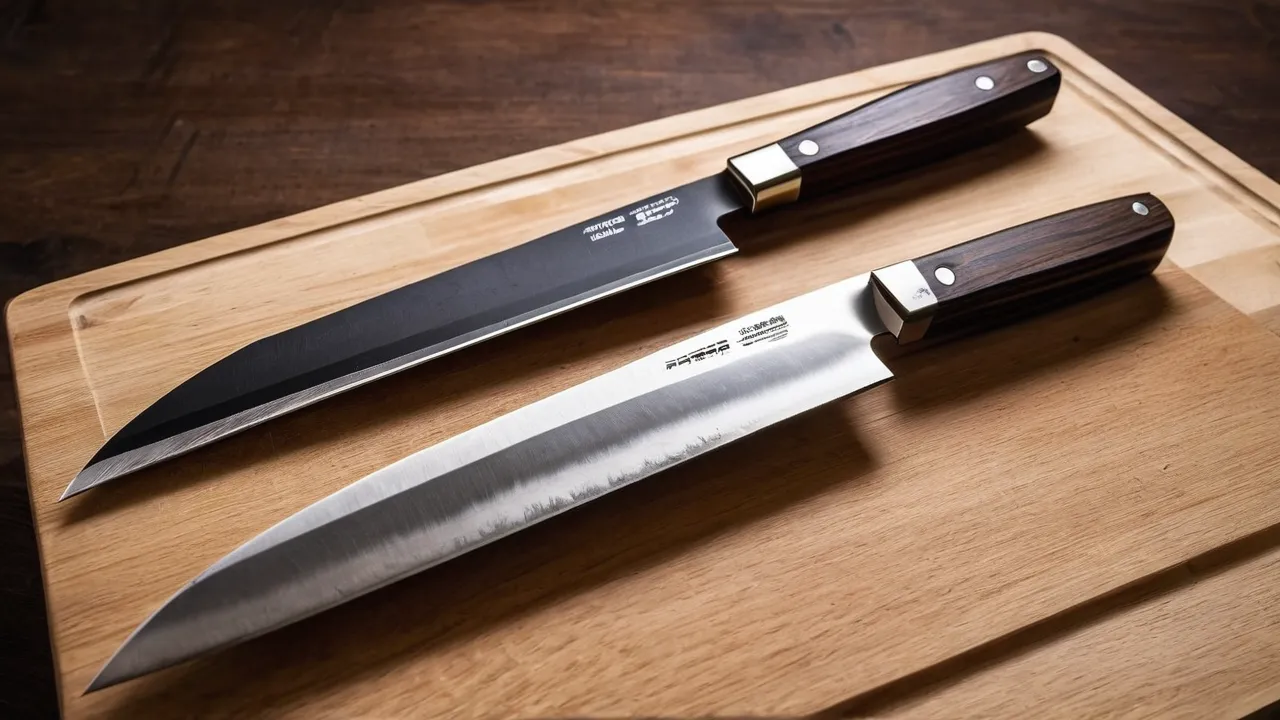
When buying a kitchen knife set, look for a set built around a good chef’s knife, a paring knife, and a serrated bread knife, with steel and handles you can name, and skip sets padded with extra blades, built-in sharpeners, or piece counts that include shears and block slots. A smaller set of well-made knives almost always serves better than a large block of filler.
Why Knife Sets Are Tricky
A set looks like a bargain because many knives come in one box. The trouble is that a knife’s value comes from its steel, edge, balance, and fit in your hand, and the piece count says nothing about those. Manufacturers can reach a high count by counting steak knives, the block itself, a pair of shears, and a sharpening rod as separate pieces. A set marketed with 15 pieces may include only three or four knives you will use regularly.
Sets also tie you to a single maker’s quality across all the knives. The chef’s knife may be excellent while the utility knife is mediocre, and you may not discover it until later. Buying open stock lets you choose the best knife for each job, but sets can be good value when the main knives are genuinely good and the lineup is lean.
Be honest about what you cook. Most people use one knife for most tasks, and the rest sit in a block. If that describes you, a set mainly buys a block you will not need.
What a Good Set Includes
Look for these core pieces.
- Chef’s knife, 8 inches: the main knife and the one to judge the set by.
- Paring knife, 3 to 4 inches: for peeling and small tasks.
- Serrated bread knife, 8 to 10 inches: for loaves, cakes, and tomatoes.
- Optional utility knife, 5 to 6 inches: a useful middle size.
- Honing rod: keeps the edge aligned between sharpenings.
- Kitchen shears: handy for poultry and herbs.
Steak knives are fine if you serve steak, and a boning or slicing knife is useful for specific tasks. The more specialty pieces a set includes, the more you should ask whether you will use them.
What to Skip
- Large blocks of 12 or more pieces: many are duplicates or specialty knives you will rarely use.
- Blocks with built-in sharpeners in the slots: they grind the edge each time you pull a knife out, which can wear blades faster.
- Sets with no stated steel: if the page cannot name it, assume it is basic.
- Sets with thin stamped blades and plastic handles that feel hollow: they are light and flex under force.
- Sets that include a sharpener you do not need or a cutting board of poor quality.
- Dishwasher-safe claims: heat and detergent dull edges, so hand washing is still best.
Also be cautious about marketing phrases like never needs sharpening. Every knife dulls, and a knife that claims otherwise may be using serrations or a coating that hides the problem.
How to Judge a Set From the Product Page
Check these details.
- Steel: named grade and any hardness range. German-style steels are tough and easier to sharpen, and Japanese-style steels are harder and hold an edge longer.
- Construction: forged knives are usually heavier and thicker at the bolster, and stamped knives are lighter. Neither is always better, so read the stated weight and balance.
- Tang: a full tang runs the length of the handle and often gives better balance.
- Handle: composite or wood, with a comfortable shape and no sharp seams.
- Edge: the factory angle and any sharpening guidance.
- Warranty: clear terms and a way to contact the maker.
- Care instructions: hand wash is the safe default.
If you can handle the knives in a store, notice how the chef’s knife feels and whether the grip is comfortable. If you buy online, check the return policy in case the knife does not fit your hand.
Set or Open Stock?
| Situation | Better choice |
|---|---|
| New kitchen, no knives, limited budget | Small set with a good chef’s knife |
| One good knife already | Add open-stock paring and bread knives |
| Wedding or gift registry | Lean set of 3 to 5 knives |
| Serious cook | Open stock, choose each knife |
| Left-handed or small hands | Open stock, check fit |
| Want a block on the counter | A smaller block with slots for each knife |
A common compromise is to buy a good chef’s knife, add a paring knife and a serrated bread knife, and add a honing rod. This gives you the essentials without paying for a block.
Our chef’s knife guides explain steel, size, and handle in detail. Our How We Review page explains how we evaluate products using research and specifications rather than claims of our own trials. For related gear, see the cookware and kitchen tools section.
Questions to Ask Before You Buy a Set
- Which three knives will I actually use weekly?
- Is the chef’s knife the quality I would buy alone?
- Do the slots and pieces serve me, or are they padding?
- Will I sharpen the knives myself, or use a service?
- Where will the block or tray fit in my kitchen?
- Is there a clear return policy if the knives are the wrong fit?
A Worked Example
Suppose a set of 14 pieces lists a chef’s knife, a bread knife, a utility knife, a paring knife, six steak knives, shears, a sharpening rod, and a block. The piece count falls to four everyday knives, plus steak knives you may use occasionally. If the chef’s knife is a good steel and you like the handle, the set may be fine. If not, you would do better buying the three core knives separately and adding steak knives only if you want them. Counting what you will use is the best way to compare value.
Sets Worth Considering and Sets to Pass On
A set earns its place when each knife is a real tool. A trio of chef’s, paring, and bread knives from a maker that names its steel, lists weights, and gives clear care and warranty terms is a sound buy. A five-piece set that adds a utility knife and a honing rod is also reasonable. Pass on a set when the description leans on adjectives instead of facts, when the block holds many slots for tasks you do not do, or when the chef’s knife looks thin and light compared with the pages of other brands.
Gift sets deserve special attention. People often buy a large block for a new household because it feels generous, and the recipient ends up with an unused block. A smaller set, or a single excellent chef’s knife with a paring knife, makes a more useful gift.
Care That Makes a Set Last
No set will stay sharp without care. Hand wash knives and dry them immediately. Use a wood or plastic cutting board, since glass and stone dull the edge quickly. Hone the chef’s knife every few uses, and plan to sharpen on a stone or with a service a few times a year, depending on how much you cook. Store knives so the edges are protected and out of children’s reach. Following these habits matters more than the brand name on the block, and it makes a modest set perform like a better one.
Budget Thinking Without Naming Prices
Prices change often, so think in proportions. Put the largest share of your budget into the chef’s knife, a moderate share into a good bread knife, and the smallest share into the paring knife, which is the easiest to replace. If a set splits the budget evenly across ten knives, each knife is likely to be ordinary. If a set seems very cheap for the number of pieces, assume the steel is basic. Spending a little more on fewer knives is the more reliable path to satisfaction, and it leaves room for a honing rod, which does more for daily performance than a ninth or tenth blade.
Frequently Asked Questions
Is a knife set worth it?
It can be, if the main knives are good and the lineup is lean. A set of three to five quality knives gives convenience and value. Large blocks of 12 or more pieces are often padded with knives you will not use, so buying the core knives separately is usually better.
How many pieces should a good knife set have?
Count the knives, not the pieces. A good everyday set has a chef’s knife, a paring knife, and a bread knife, with a utility knife and honing rod as optional extras. More knives help only if you cook tasks that need them.
Are built-in sharpeners in knife blocks good?
Generally not. Sharpeners built into the slots grind the edge every time you remove the knife, which can wear the blade faster and can produce an uneven edge. A honing rod and occasional proper sharpening keep knives in better shape.
Should I buy a matching set or mix brands?
Mixing is fine and often better, since you can pick the best chef’s knife, paring knife, and bread knife separately. A matching set is convenient and looks uniform. Judge the quality of the main knives rather than the matching look.
Final Thoughts: Buy Knives, Not Piece Counts
A good set is lean and built around a solid chef’s knife. Skip padded blocks, built-in sharpeners, and vague steel claims. If the set does not meet that standard, buy the core three knives separately and add a honing rod.
Related buying guides
- Knife Handle Materials: Wood, Composite, or Steel
- Santoku vs Chef’s Knife: Which One First
- Whetstone vs Pull Through Sharpener: Which to Own
About the author

The BuyOnceChoice Editorial Team researches durable products worth buying once. Our guides compare published specifications, warranty terms, expert review consensus, and verified owner feedback. We do not conduct our own product trials. See How We Review and our Editorial Policy for our standards.