Winter Boots for Plantar Fasciitis: Support Checklist
Cold weather adds bulk and stiffness to the footwear problem. This checklist covers arch, insole, sole and warmth, with a reminder to see a clinician.
 By BuyOnceChoice Editorial Team
Updated November 16, 2026
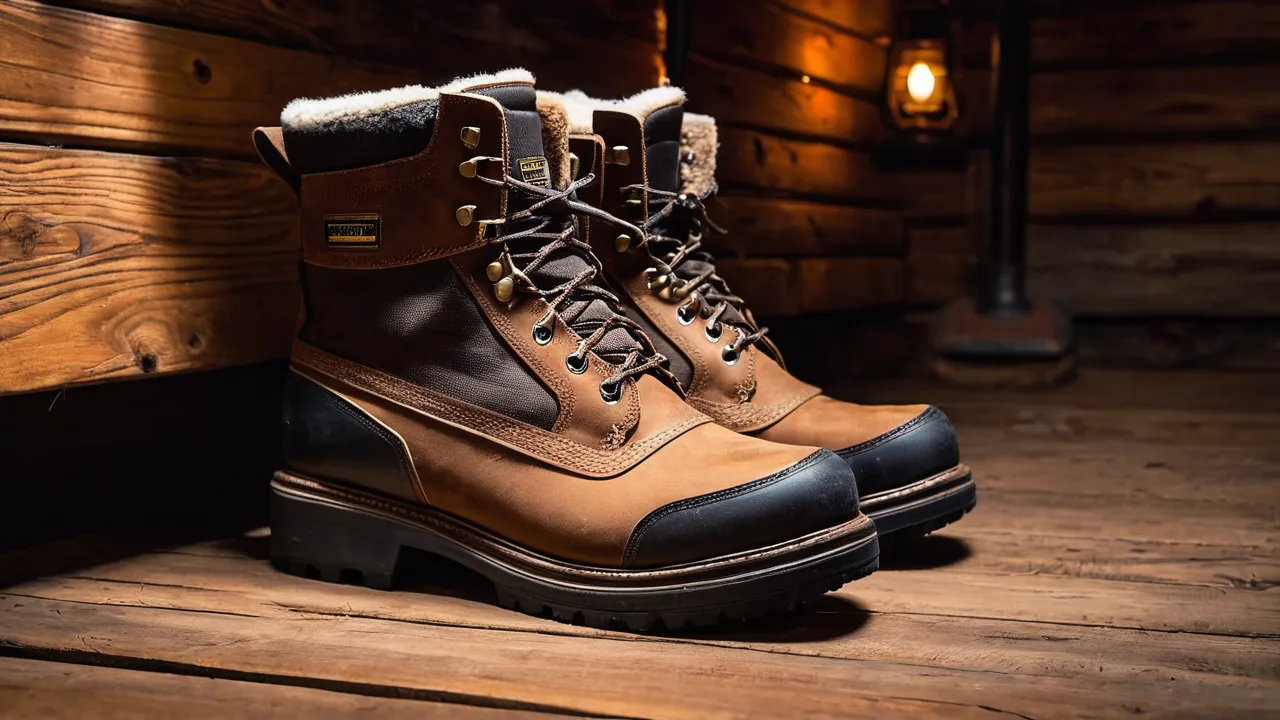
The best winter boots for plantar fasciitis are the ones that give your arch and heel firm, stable support, leave room for your own insole and stay warm without squeezing the foot. Plantar fasciitis is irritation of the band of tissue along the sole of the foot, and no boot treats it, so use the checklist below to pick features that reduce strain and see a clinician if pain persists.
Why Winter Makes It Harder
Winter adds several pressures at once. Cold, stiff materials make soles less forgiving. Bulky boots are heavier, so each step carries more load. Ice and snow change how you walk, with shorter, tenser steps. And warm, thick socks fill the boot, leaving less room for the supportive insole you may rely on in other seasons.
That combination explains why many people with heel or arch pain find winter boots worse than their everyday shoes. The goal is a boot that supports the foot like a good everyday shoe and adds warmth on top, rather than a boot that is only insulated.
Think about your day as well as the boot. A person who spends eight hours on a snowy job site needs different support from someone who walks the dog for twenty minutes. Longer days on hard, cold surfaces reward a firmer midsole, a removable insulated footbed and a second pair to rotate. Short outings reward a lighter boot, since weight is the cost you pay on every step. Decide which describes you before you compare features, and the checklist later in this article becomes much easier to apply.
Arch Support and the Insole
Most winter boots ship with a thin, flat footbed. If you use a supportive insole, check that the boot’s liner or footbed is removable so your insole can replace it. Our work boot insoles guide explains how insole volume changes fit and what to check before swapping.
Look for these signs on the product page or in the shop:
- A removable footbed, so you can use your own insole or an orthotic your clinician has recommended.
- A visible arch contour rather than a flat board.
- A deep heel cup that cradles the heel instead of letting it roll.
- Enough instep room that a thicker insole will not crush your toes.
If a clinician has prescribed orthotics, bring them when you shop and ask whether the boot has room for them.
Shank, Midsole and Heel
The shank is the stiff layer between the insole and outsole that resists bending. A boot that folds in the middle makes the arch work harder. Pick the boot up and try to twist it, then bend it. A good support boot flexes where your toes flex, at the ball of the foot, and resists bending at the arch.
The midsole adds cushioning and insulation. A moderately firm midsole that rebounds is usually more comfortable than a very soft one that compresses and bottoms out in cold weather. Foam can stiffen in the cold, so a boot that feels pleasant in a warm shop may feel harder outdoors.
Heel height and drop also matter. A very flat boot and a high-heeled boot can both feel wrong, and some people respond to a small heel lift. There is no universal right answer, so note what feels comfortable and discuss it with a clinician if you are unsure.
Warmth, Traction and Stability
Warmth Without Squeezing
A tight, warm boot is a bad trade. Compression raises pressure under the foot, flattens insulation and can restrict circulation. Choose a boot with a roomy toe box and a volume that fits your sock plus insole, and look for a removable liner you can dry overnight. Our removable liner guide covers when a liner is worth having.
Pick insulation by activity. If you walk a lot, you need less insulation than if you stand. Too much insulation can make the boot heavy, and weight adds load to every step.
Traction and Stability
Ice makes people tense their feet and shorten steps, which can aggravate heel and arch pain. A grippy outsole, a wide stable base and a firm ankle collar reduce the need to brace. Avoid very rounded soles that rock, unless a clinician has advised a rocker sole for you.
A Quick Sock and Volume Calculation
Volume is the hidden variable in winter boots. Stand in the boot with your usual winter sock and your chosen insole, lace it normally, and check three things. First, can you wiggle all your toes and spread them slightly? Second, does the top of your foot feel pressed by the tongue or laces? Third, when you step forward, does your heel stay down? If the answer to the first is no or the second is yes, the boot has too little volume for that sock and insole combination. Swap to a thinner sock, try a lower-profile insole or move to a boot with more depth. Fixing it now is far cheaper than discovering after two weeks that the new boots aggravate your heel.
Keep in mind that a supportive insole sits higher in the boot than a flat factory footbed, so a boot that felt roomy in the shop with its own insole can feel tight once yours goes in. Bring your insole and sock to the fitting every time, and walk around for at least ten minutes before you decide.
When to See a Clinician
This article is general shopping guidance and not medical advice. If heel pain is sharp, lasts more than a few weeks, wakes you at night, or comes with numbness, swelling or a change in how you walk, see a doctor or a podiatrist. They can tell whether plantar fasciitis is the cause and recommend treatment, stretches or orthotics. Boots help with comfort and support, but they are not a substitute for care. If you have diabetes or reduced foot sensation, check your feet daily and ask a clinician about footwear before you buy.
The Checklist
Print this or save it on your phone before you buy.
- The footbed is removable, or the factory insole has a clear arch contour.
- The heel cup is deep and the heel stays put when you walk.
- The shank resists twisting and bends at the ball of the foot.
- The midsole is firm enough to rebound and not mushy.
- The toe box lets all toes spread with your winter sock and insole in place.
- The boot is not so heavy that it tires your legs in a short walk.
- The outsole has a grippy compound and a stable, wide base.
- The liner is removable or the boot dries easily.
- The shop or seller offers returns so you can walk on it at home.
If a boot fails the first, second or fifth items, move on to the next one.
Shopping, Fit and Replacement
Shopping and Fit Tips
Shop in the afternoon, when feet are slightly larger, and wear the socks and insole you will use. Walk on a hard floor and on a ramp if one is available. Pay attention to the first ten minutes and the last ten. Pain that builds as you walk is a warning sign. If you order online, check the return policy before you open the box, keep the packaging and try the boots indoors on a clean surface first.
Questions to ask the seller include whether the footbed is removable, how much volume the boot has for an orthotic, what the shank is made of, and whether wide sizes are offered. Sellers may not know, so check the product page and photos too. Browse the wider clothing and footwear section for related guides, and see how we review for how we evaluate claims.
Rotation, Wear and Replacement
Do not wear the same pair every day if you can avoid it. Rotating pairs lets the foam recover and the liners dry. Replace the insole when it flattens or the arch collapses, and replace the boots when the midsole is compressed unevenly or the heel is worn on one side. Worn support can change how you walk, so do not stretch the life of a boot beyond its comfort.
Frequently Asked Questions
Can I use orthotics in winter boots?
Often yes, if the boot has a removable footbed and enough volume. Take out the factory insole, place the orthotic in and check that your toes still have room with your winter sock on. If the boot feels tight, try a thinner sock or a boot with more depth. Ask your clinician before changing anything prescribed.
Are insulated boots bad for plantar fasciitis?
Insulation itself is not the problem. Heavy, rigid, tight boots can be, because they add load or reduce comfort. Choose insulation matched to your activity, keep the boot roomy enough for your sock and insole, and prefer boots with firm support under the arch.
What heel height is best for winter boots if my heel hurts?
There is no single answer. Many people find a modest, stable heel more comfortable than a completely flat sole, but responses differ. Try a few boots, walk for ten minutes, and note which one reduces strain. If pain continues, ask a podiatrist about footwear.
How often should I replace winter boots if I have heel pain?
Replace them when the midsole is compressed, the arch support has collapsed or the outsole is worn unevenly. That can happen sooner than the exterior looks. If your pain returns with old boots, inspect the footbed and heel cup first, since a fresh insole may restore comfort.
Final Thoughts
Pick winter boots with firm arch support, a deep heel cup, a stiff shank and enough room for your insole and socks, then add only the warmth you need. Treat the checklist as a shopping aid, keep a return option open and see a clinician if pain lasts or worsens.
Related buying guides
- Winter Boots for Wide Feet and Calves: Fit Guide
- Chelsea vs Lace Up vs Pull On Winter Boots
- Felt Liner vs Synthetic Liner Winter Boots
About the author

The BuyOnceChoice Editorial Team researches durable products worth buying once. Our guides compare published specifications, warranty terms, expert review consensus, and verified owner feedback. We do not conduct our own product trials. See How We Review and our Editorial Policy for our standards.