How Long Do Winter Boots Last? Signs It Is Time
No honest single number fits every boot. Learn the three failure points, what speeds them up and how to judge cost per season before you buy.
 By BuyOnceChoice Editorial Team
Updated November 16, 2026
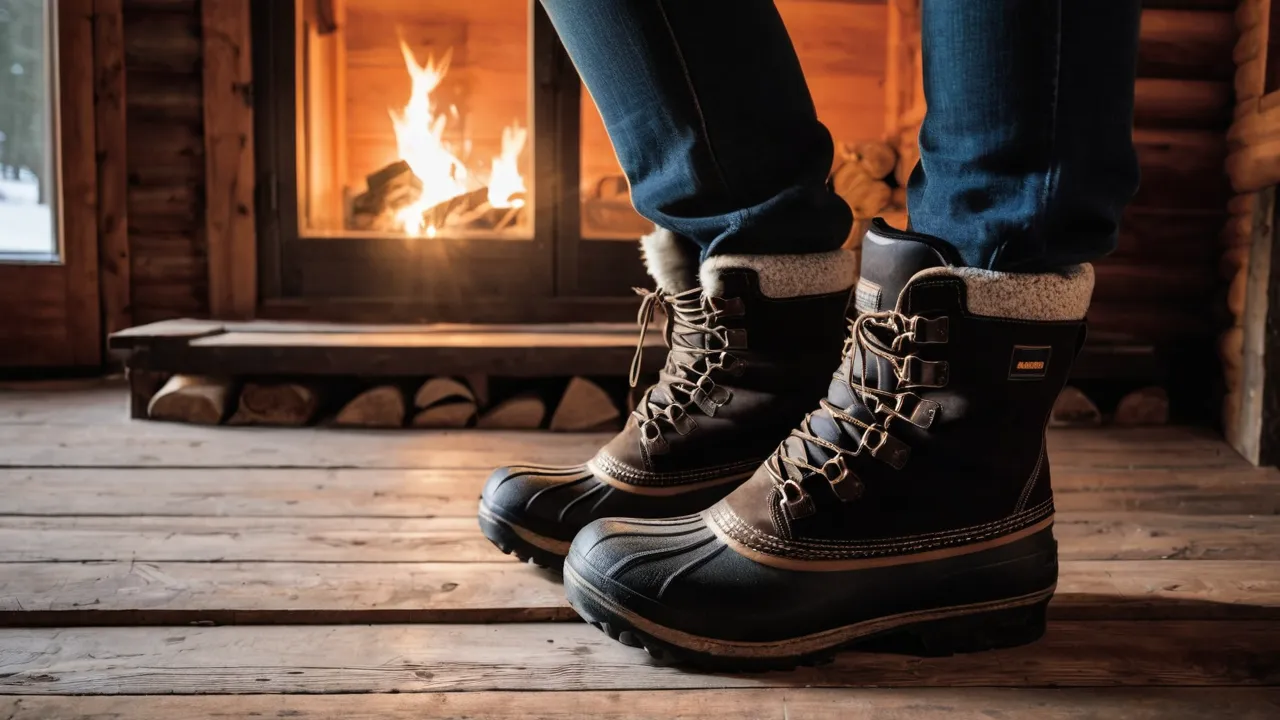
How long winter boots last depends on use, construction and care, so no single number is honest. The parts that fail first are the midsole, which compresses, the liner, which packs down, and the seams and sole joint, which leak or separate. A boot worn daily in harsh conditions wears faster than one worn on weekends. Judge value by cost per season and by whether the boot can be repaired.
The three failure points
Winter boots usually fail in one of three places. The midsole, the cushioning layer between foot and outsole, compresses and stops absorbing impact, so the boot feels flat and cold. The liner, the insulation inside, packs down and loses loft, so the boot feels colder even though the shell looks fine. The seams and sole joint, where parts are joined, loosen or leak after many cycles of wet, cold and flexing.
The outsole also wears, but it is the easiest part to replace in a repairable boot. The upper can crack or tear, particularly in leather boots that were not conditioned. Knowing which part is failing helps you decide whether to repair or replace.
Midsole compression
Foam midsoles compress with weight and time. Daily wear on hard surfaces speeds this up. Signs include creases in the foam, a boot that tilts, uneven wear and a feeling that you are standing closer to the ground. A compressed midsole cannot be fixed by a cobbler in most boots, and it often signals the end of the boot’s comfortable life.
Rotating two pairs gives the foam time to rebound, and an insole can restore some cushioning on top. Heavier users and long standing days tend to compress midsoles faster.
Liner packing and insulation loss
Liners made of felt or synthetic fibers lose loft as fibers mat down from weight, moisture and washing. A packed liner has less trapped air, so the boot feels colder. If the liner is removable and replaceable, the boot can be renewed. If it is fixed, loss of insulation often means retirement. Moisture accelerates the process, so dry liners fully after each use. See our removable liner guide for replacement logic.
Seams, glue and leaks
Waterproof boots rely on seam tape, glue and stitched joins. Repeated flexing, salt and heat weaken them. Leaks at the flex zone or sole edge are common signs. A cobbler can sometimes reattach a sole or add sealant, but a failing membrane is not repairable.
What speeds wear up and what slows it
- Faster: daily wear, hard surfaces, heavy loads, salt exposure, heat drying, no rotation.
- Slower: two pair rotation, prompt salt removal, room temperature drying, conditioning, correct size.
- Neutral: price alone, since a high price does not guarantee durability.
Heavy use differs from light use. A commuter who wears boots for a few minutes a day puts little stress on a boot, and age and storage may matter more than wear. A tradesperson who stands outside for ten hours puts far more cycles of flexing, sweating and drying on the same boot. Compare your use with how the boot is described. A boot designed for casual use may not hold up to work, and a work boot may be more than a casual user needs.
Why storage matters
Boots left in a hot car, a damp basement or a stack of other gear age faster. Heat softens glue, damp breeds mold and compression bends the shaft and flattens the liner. Store boots clean, dry and upright in a cool, ventilated spot, and they will usually last longer for no extra cost.
Extending life by rotating
Two pairs of winter boots cost more up front, but each pair gets rest, which lets liners dry and foam rebound. In many cases the pair outlasts a single pair worn daily by more than the extra cost. If two pairs are not possible, at least use a second set of liners and insoles and dry them nightly.
A checkup you can do each fall
Before the first snow, give each pair ten minutes. Pull the liners and insoles and look for flattened spots, matting and odor that does not wash out. Press the midsole with your thumb at the heel and ball and compare it with the other boot, since a dent that does not spring back points to compression. Flex the boot at the toe crease and look for cracks in the leather or fabric. Run a finger along the sole edge and the stitching, and tug gently on any loose thread.
Then do a sink check with a shallow pan of water, standing the boot in it for a few minutes without soaking the opening, and look inside for dampness. Dry the boot fully afterward. This tells you whether the seams are still sealed before you rely on them on a slushy morning.
Write down what you find. A short note such as “liner flat, left heel worn” lets you compare next year and decide whether to repair, replace the liner or start shopping before the season, when sizes and models are still available.
Signs a boot is near the end
- The midsole shows deep creases or looks lopsided when the boot sits on a flat surface.
- The liner is thin, matted or has shifted into clumps.
- Water appears at the sole edge or the flex crease after short exposure.
- The outsole is smooth at the heel and ball, with the lugs worn flat.
- The upper has cracks, tears or loose stitching.
- The boot feels cold even though you wear the same socks as before.
One sign is a prompt to inspect, and several signs together are a prompt to plan a replacement. If the upper and midsole are sound and only the sole or liner has failed, repair may be worth it. If the midsole and liner have both failed, replacement is usually more sensible.
A simple repair or replace rule: repair when one replaceable part has failed and the rest is sound. Replace when the midsole is compressed, when the membrane leaks at several points or when two major parts have failed.
How construction changes the lifespan
Boots with a stitched sole and a replaceable liner can go through several rounds of repair. Boots with a molded rubber lower avoid stitching leaks below the waterline, and the rubber can last a long time, but the upper may fail first. Boots with a cemented sole and fixed insulation are essentially disposable once something fails. The construction tells you how much of the boot can be saved. Our work boots guides explain how to judge construction for repair.
Material choices also matter. Full grain leather resists wear and can be conditioned, while thin fabric panels tear. Heavier boots may last longer, though weight has its own cost in fatigue. There is no single best combination, and the right one depends on your use.
Before you buy, ask whether replacement liners, footbeds and laces are sold, whether the sole can be replaced, what the warranty covers and excludes, how the sole is attached and what owners report after a full season of similar use.
Cost per season thinking and decision rules
Estimate how many seasons you expect from a boot and divide the price. A boot that costs more but lasts more seasons, or can be repaired, may cost less per season. A boot with replaceable liners and a resolable sole can have a longer life than a disposable one. Be honest about use: if you wear boots daily in harsh conditions, expect faster wear than a casual user. Read owner reports with care, since use varies.
- Daily outdoor work: buy for repairability and replaceable liners, keep two pairs.
- Weekend use: a fixed insulated boot can last many seasons with care.
- Kids: expect to replace for size, not wear.
- Wet city use: favor sealed construction and salt care.
- Budget: consider whether a repair friendly midpriced boot beats two cheap ones.
Visit the clothing and footwear section and how we review for how we weigh durability claims.
Frequently Asked Questions
How many seasons do winter boots last?
It varies with use and construction. Weekend wear with care can stretch a boot across many seasons, while daily wear in salt and slush shortens it. Judge by midsole feel, liner loft and leaks rather than a fixed number of seasons.
Why do my winter boots feel colder than they used to?
The liner has likely packed down and lost loft, or moisture has built up in it. Dry the liner fully, check whether it is removable and replaceable, and consider fresh insoles. If the liner is fixed and flattened, the boot may be near retirement.
Can I repair leaking winter boots?
Sometimes. A cobbler may reattach a separated sole or seal a seam. A failing waterproof membrane generally cannot be fixed. Ask for an inspection and a quote, and compare it with the cost of a replacement. Repair is more likely to be worthwhile when the rest of the boot is sound.
Is it worth rotating two pairs of winter boots?
Yes, if you wear boots daily. Each pair gets time to dry and the foam to rebound, which slows liner packing and midsole compression. If a second pair is not possible, use a second set of liners and insoles. Rotation costs more up front but often pays back.
Final Thoughts
A winter boot lasts until its midsole, liner or seams fail, and care and rotation delay each. Judge by cost per season and repairability, not by price alone. Buy a boot you can fix, dry and rotate, and it will usually outlast one you cannot.
Related buying guides
- How to Choose Winter Boots: Warmth, Dryness, Traction
- Winter Work Boots: Insulated Safety Toe Fit and Warmth
- Kids Winter Boots Sizing: How to Fit Growing Feet
About the author

The BuyOnceChoice Editorial Team researches durable products worth buying once. Our guides compare published specifications, warranty terms, expert review consensus, and verified owner feedback. We do not conduct our own product trials. See How We Review and our Editorial Policy for our standards.