Winter Boot Temperature Ratings: How Reliable Are They
Temperature ratings on winter boots are not standardized. Use this method to cross-check a claim against your activity, your liner and your socks.
 By BuyOnceChoice Editorial Team
Updated November 16, 2026
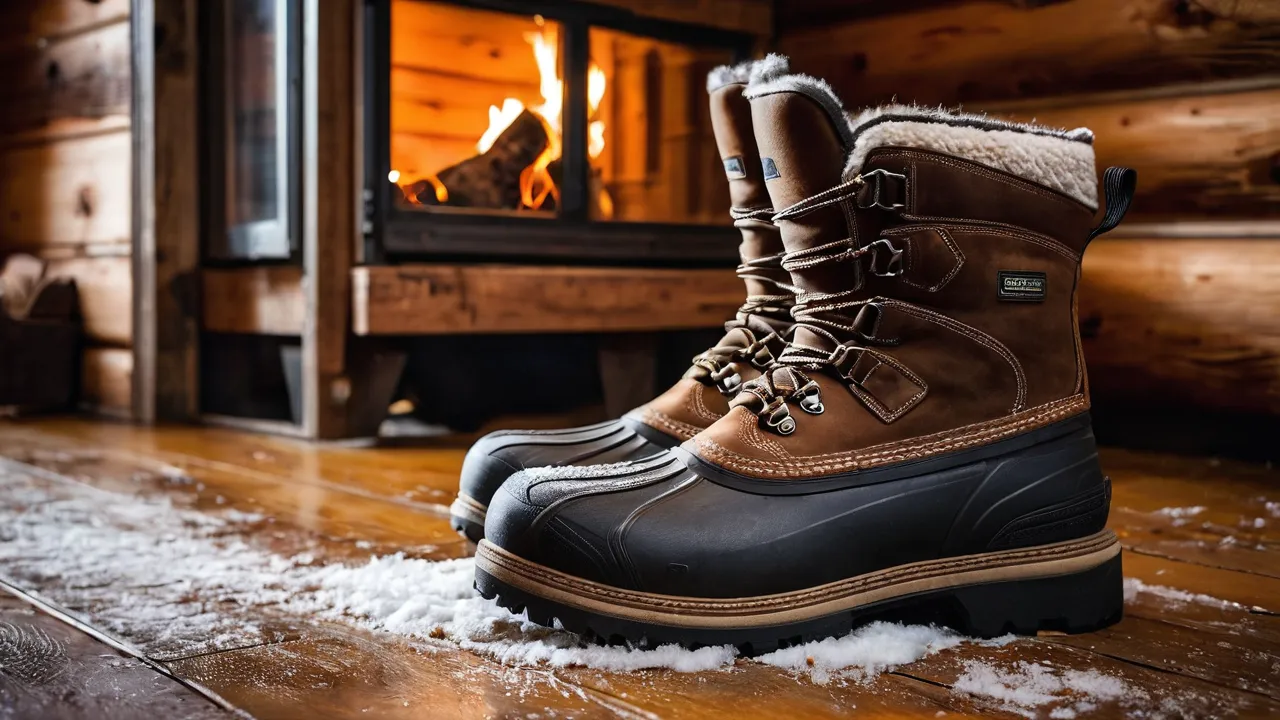
A winter boot temperature rating is the lowest air temperature at which the maker expects the boot to keep a typical wearer’s feet comfortable, and no single industry standard sits behind the number. Two boots with the same rating can feel very different on your feet, so treat the figure as a rough sorting tool and confirm it against your activity level, the liner and the socks you will wear.
What the Rating Is and What It Is Not
A temperature rating looks like a measured fact, but it is a claim made by the brand. Some makers base it on standardized thermal methods in a controlled setting. Others base it on field feedback or internal guidelines, and some base it on insulation weight alone. The number rarely comes with a description of how it was produced, who wore the boots, how long they stood still or what socks they used.
That makes comparisons across brands weak. A boot rated to a lower temperature by one maker may be warmer, colder or the same as a boot from another maker with a higher number. Within a single maker’s lineup, ratings are more useful, since the same method is probably used throughout.
Ratings also describe a condition, not a promise. They usually assume a wearer who is moving at a steady pace, in dry socks, with a properly fitted boot. Change any of those and the real comfort point moves. If you remember only one thing, remember that the printed number is the start of your decision and not the end of it.
Why the Same Rating Feels Different on Different People
Several variables move your comfort point far from the printed number.
- Activity: a walker generates heat, while a person standing at a bus stop does not.
- Circulation: some people have naturally cold feet, and some medical conditions make that worse.
- Moisture: sweat or slush in the boot lowers insulation value and pulls heat away from the foot.
- Wind and wet ground: both increase heat loss compared with calm, dry conditions.
- Time outside: comfort at the start of a walk can fade after an hour.
- Fit: a tight boot compresses insulation and restricts blood flow.
- Socks: wool or synthetic blends keep more warmth when damp, while cotton does not.
A rating that works for one person in motion may fail for another who stands still. That is why the number should be used with a method, not by itself.
A Method to Cross-Check Any Rating
Use these steps to check a claim before you buy.
- Name your activity: moving continuously, mixed, or standing still.
- Adjust the rating for activity. If you stand still, treat the rating as optimistic and look for a boot rated for colder than you expect to face. If you move constantly, you can accept a number closer to the temperature you expect.
- Look at the insulation. Check the insulation weight in grams, the liner type and whether a removable liner is included, then compare it against other boots from the same maker.
- Look at the construction. A thick midsole, an insulated footbed and a sealed lower section all keep the ground from pulling heat out of your foot.
- Check the fit. Make sure you have room for your sock and that the boot does not compress your toes.
- Plan for moisture. Pair the boot with moisture-wicking socks, and choose waterproof construction if your conditions are wet.
- Read how the maker describes the number. If the product page explains the method, that is a better sign than a rating with no context.
If you cannot answer steps three and seven, treat the rating as marketing and rely on your own judgment.
Two Worked Examples
Take a commuter who walks twenty minutes to a train platform and then waits ten minutes outside. The walking phase produces heat, but the wait does not, and feet cool quickly in a boot sized with no spare room. Here the rating should be read as optimistic, and a boot with a removable liner and a thicker sole is the safer choice.
Now take a person who spends a few hours clearing snow. They move constantly, sweat early and would be better served by a lighter, breathable boot with a good sock than by the coldest-rated boot on the shelf. In both cases the printed number is the same, yet the right answer differs. Writing your own scenario in one sentence before you shop is the fastest way to avoid paying for warmth you do not need or missing warmth you do.
Reading the Fine Print
Look for phrases that hint at how the rating is meant to be used. “Comfort rating” suggests a level at which most people are comfortable while active. “Survival” or “extreme” suggests a lower limit where you may be cold but safe, which is not the same as comfortable. A range with a low and a high temperature suggests the boot is designed for a span of conditions. A single number with no context is the weakest claim.
Also compare the number with your actual winter. If the lowest temperature you face is mild and the boot is rated far below that, you may be buying warmth you will not use, and a lighter boot may be more comfortable. Our guide to winter boots explains how to match insulation to your climate, and our buying guides cover related topics like insulation grams and sizing.
Insulation weight deserves a word of its own. Grams of insulation are a better clue than the rating when you compare boots from different makers, but only when the same kind of insulation is being compared. A higher gram count in a thin, compressible fill can still be cooler than a lower count in a denser fill, so use grams to rank boots within one maker’s line and look at the liner, the sole and the footbed when you compare across brands.
A quick sanity check helps when a page gives only one figure. Ask what the boot would feel like after an hour of standing in the coldest weather you expect. If the answer depends on keeping moving, the boot is a walking boot whatever the number says. If the page mentions a removable liner, a thick midsole and a sealed lower section, the number is more believable than if it rests on a single insulation claim. Photos and diagrams that show the layers inside the boot are another useful clue, since a maker willing to show the construction is usually willing to explain the rating.
Practical Ways to Add Warmth Without a Bigger Number
If a boot is a little too cool for your use, you have options before you buy a second pair.
- Add a wool sock, provided the boot has room for it without squeezing your toes.
- Replace the insole with a thicker or reflective one if the boot’s volume allows it.
- Use a boot with a removable liner and dry the liner every night.
- Keep your feet dry between outings and avoid deep slush if the lower section is not sealed.
- Move your body, since a short walk or a few calf raises increase blood flow.
- Keep your core warm, because cold feet often follow a cold body.
One more caution: a lower-rated boot is often a bulkier boot, and bulk has its own costs. Heavy boots tire the legs, reduce balance on ice and take longer to dry. If you will wear them for long walks, weigh that cost against the extra warmth, and consider a mid-weight boot paired with a layering system for your feet and legs.
Who Should Trust the Number and Who Should Be Skeptical
Trust the number more if the maker explains the method, if you have worn the maker’s other boots and know how they feel, and if you move constantly. Be skeptical if the number appears alone, if you stand outside for long periods, if you have poor circulation, or if you compare across brands. If you are buying for extreme cold, work or safety, rely on the maker’s guidance and on advice from people who work in those conditions rather than on a single number. For how we handle claims like these, see our review approach.
Frequently Asked Questions
Is a winter boot rated to minus 40 actually warm at minus 40?
Not necessarily. The figure is the maker’s estimate for an active wearer in dry socks, and standing still at that temperature can feel far colder. Treat it as a ceiling for the boot, not a promise. If you will be stationary, choose a boot rated well below your coldest day.
Do temperature ratings account for wind chill?
Usually not. Most makers describe a still-air temperature, and wind, wet ground and snow contact can pull more heat from the boot than the number implies. If your winters are windy, shift your choice toward a warmer rating, a thicker sole and a sealed lower section, and check the product page for how the figure is defined.
Can I trust a rating more if the brand explains how it was set?
Yes, a stated method is a better sign than a bare number. Look for details such as who wore the boots, how long they stood still and which socks they used. Even then, the figure applies to that scenario, so compare it with your own activity level before you buy.
How much warmer does a removable liner make a boot?
There is no fixed amount. A removable liner helps mostly because you can dry it overnight, and damp insulation loses much of its value. Compare the liner material and thickness on the product page, and judge warmth by how dry your liner stays through a full day.
Final Thoughts
Read the rating as a maker’s estimate, not a measurement. Cross-check it against your activity, the insulation, the sole and the fit, and favor boots from makers that explain how they set the number. When unsure, choose slightly warmer than you expect to need, and manage moisture with socks and drying habits.
Related buying guides
- Winter Boot Traction: Lugs, Rubber Compounds and Ice
- Winter Boot Warmth Mistakes That Leave Feet Cold
- Winter Boots for Plantar Fasciitis: Support Checklist
About the author

The BuyOnceChoice Editorial Team researches durable products worth buying once. Our guides compare published specifications, warranty terms, expert review consensus, and verified owner feedback. We do not conduct our own product trials. See How We Review and our Editorial Policy for our standards.