Winter Boot Traction: Lugs, Rubber Compounds and Ice
Ice grip comes from the compound, the lug design and add-on traction. Compare each approach and learn where every outsole runs out of grip.
 By BuyOnceChoice Editorial Team
Updated November 16, 2026
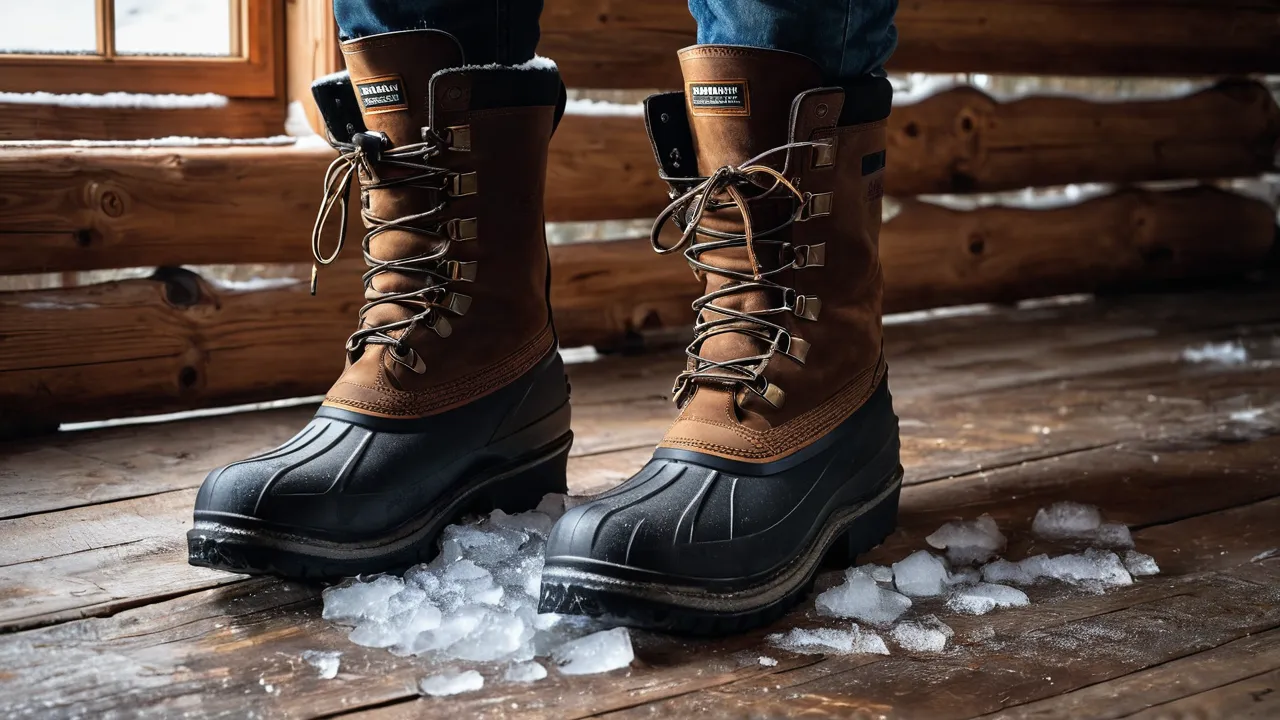
Winter boots with good traction on ice combine a rubber compound that stays soft in the cold, a lug pattern that bites into packed snow and, for the slickest surfaces, built-in studs or a slip-on traction device. No outsole removes the risk of slipping on ice, so the goal is to reduce it and to match the grip to the surfaces you actually walk on.
Why Ice Is Harder Than Snow
Snow gives a boot something to push against. Fresh or packed snow deforms, and deep lugs grip that deformation. Ice does not deform. A thin film of meltwater can form between the sole and the ice, and the boot then behaves like a shoe on a wet floor. Black ice, which is a thin clear layer over pavement, is the hardest case, because you cannot see it and the surface is perfectly smooth.
Temperature matters too. Ice just below freezing is often the slickest, because the surface carries a thin film of water, while very cold, dry ice can be a little grippier. A boot that feels secure on a frozen January morning may feel worse on a thawing afternoon, and that thaw-and-refreeze cycle is when many sidewalk falls happen. Plan for the slushy edge cases, not only the deep-freeze days.
That is why a boot that grips well on a snowy trail can feel unreliable on a polished icy sidewalk. When you shop, ask which surface you fear most, then judge each feature against it.
Rubber Compounds and Lug Patterns
Compounds That Stay Soft
Rubber hardens as temperatures drop, and hard rubber slides on ice. Some makers use softer or specially formulated compounds meant to stay flexible in cold air, and a few add grit or fiber particles to the rubber to improve contact on wet ice. Product pages often name the technology, but the names are marketing terms, so read what the page says the compound does rather than relying on the label.
A practical check: press a fingernail into the outsole at room temperature. A very hard, glossy rubber is likely to be stiffer in the cold than a slightly tacky, matte one. This is a rough guide, not a measurement, and it does not replace the maker’s claim, but it helps when two boots look similar.
Wear changes the picture over a season. Rubber that grips well in the first week can polish smooth on cleared pavement and salted roads, and salt itself dries rubber out over time. Rinse your outsoles when they are caked with road salt, let the boots dry away from direct heat, and look at the heel edge, which wears first. If the heel is rounded off, the boot will slide on a downhill patch before the forefoot does.
Lugs: The Pattern on the Bottom
Lugs are the raised shapes on the outsole. They work mainly in snow, mud and slush.
- Deep, widely spaced lugs shed snow and clear packed slush, so they suit trails and unplowed streets.
- Shallow, closely spaced lugs give more rubber contact on flat, hard surfaces, which can help on cleared pavement.
- Angled or multi-directional edges help on slopes by resisting slides in more than one direction.
- Sipes, the thin slits in the rubber, add small gripping edges on wet surfaces.
Lugs do little on bare ice, because there is nothing to dig into. Treat the pattern as a snow feature, not an ice feature.
Studs, Spikes and Add-On Traction
Built-In Studs or Spikes
Some boots have small metal studs or carbide tips set into the outsole, sometimes in a zone under the ball and heel. They grip ice better than rubber alone. The tradeoffs are noise and slipperiness on indoor floors such as tile, polished stone and wet metal, where metal tips can slide. If you move between outdoors and indoors often, think about how you will handle those transitions.
Slip-On Traction Devices
Slip-on cleats stretch over the sole and add coils, chains or studs. They let you keep a regular winter boot and add grip only on the days you need it. They must be removed before you walk on hard indoor floors, and they should fit snugly, since a loose device can shift and cause a trip. Check the manufacturer’s guidance on compatible boot size and sole shape.
Studded Soles for Work
If you work outdoors in winter, such as delivery, utility or construction work, your employer may have rules about footwear and traction products. Follow those rules and any guidance on slip-resistant footwear, and ask before adding a device to a boot your employer approved. Our winter boots section covers boots built for work conditions.
What No Outsole Can Do
Be honest about limits. On glare ice, wet ice just below freezing, or a thin glaze over pavement, even a studded boot can slip. Rubber compounds reduce risk without removing it. Studs help but can fail at the edges, on angled surfaces or when worn down. A boot that feels great in a shop can still slide on the first icy patch of the season.
Because of this, treat traction as one layer of protection. Plan routes that avoid ice where you can, use handrails, and keep your hands free for balance. If you have balance problems, are carrying a child or are older, ask a healthcare professional about your risk and about walking aids. Follow the manufacturer’s instructions for any traction product.
Everyday Habits That Add Grip
Footwear is only part of the answer. A few habits make any boot safer.
- Shorten your stride and keep your feet under your center of mass, like a penguin shuffle.
- Point your toes slightly outward and walk flat-footed on suspect surfaces.
- Check a patch by pressing your weight slowly onto your front foot before you commit.
- Keep your hands out of your pockets and avoid carrying heavy loads on one side.
- Clean packed snow off your soles before you step into a car or onto stairs.
- Replace boots when the lugs are worn smooth, since a worn outsole loses most of its bite.
How to Choose
Start with the surfaces you cover most days, then match the feature.
| Your main surface | What to look for |
|---|---|
| — | — |
| Packed snow and trails | Deep lugs, firm sole, good ankle support |
| Cleared sidewalks with icy patches | Soft cold-weather rubber compound, moderate lugs |
| Long stretches of ice | Built-in studs or a slip-on device |
| Mixed outdoor and indoor routine | A soft compound plus a removable device for ice days |
Also check the fit, because a loose heel changes how the sole meets the ground. A boot that lets your heel lift will make you walk with a short, unsteady step. Our buying guides cover sizing, and our review approach explains how we weigh claims like grip.
Who Should Buy Which Approach
Commuters on cleared city streets usually do best with a soft-rubber boot and a slip-on device kept in a bag. Hikers on snow trails want deep lugs and a stable platform, and they can add a device for glazed sections. Anyone who must cross long icy stretches regularly, such as a rural driveway, may justify a studded boot or a device kept on the shoe. Those who spend much of the day indoors should avoid permanent studs.
A final fitting point: try the boots on with the socks you will wear and walk on an incline if the shop has a ramp. Notice whether your heel lifts, whether the sole feels stiff and whether the toe flexes where your foot does. A sole that is too rigid can slap down and skid, while a sole that is too floppy makes the foot work harder to stay stable. If you plan to add a slip-on device, bring the device along or check that the boot’s sole shape and size range are listed as compatible, because a device that does not seat properly can slip off in the middle of a street.
Frequently Asked Questions
Which winter boot soles grip ice best?
Soles made with a soft, cold-flexible rubber compound grip wet ice better than hard rubber, and studded soles or slip-on cleats grip better still. No sole is slip-proof, so choose by surface: studs or a device for long ice, softer rubber for mixed sidewalks. Read the product page for how the maker describes the compound.
Are deep lugs good on ice?
Not much. Deep lugs help in snow and slush by gripping and shedding it, but on bare ice there is little to dig into. For ice, soft rubber and metal studs matter more than lug depth. If you face both, look for a boot with moderate lugs and a compound meant for cold surfaces.
Can I wear spiked boots or cleats indoors?
Usually not safely. Metal tips can slide on tile, polished stone and wet floors and can damage flooring. Remove slip-on cleats before you go inside, and check the maker’s guidance for built-in studs. Many workplaces and shops have their own footwear rules, so follow those.
How do I know when my boot traction is worn out?
Look at the lugs and the rubber. If the pattern is worn smooth at the heel or ball, or the rubber is cracked or glassy, grip falls quickly. Studs that are missing or flush with the sole also lose effect. Replace the boots or the device when the outsole no longer shows clear edges.
Final Thoughts
Pick the grip system for your surface: soft rubber for mixed city walking, deep lugs for snow, studs or a slip-on device for sustained ice. Respect the limits, since no outsole prevents every slip. Slow down, shorten your stride and replace worn soles before the first hard freeze.
Related buying guides
- Winter Boot Warmth Mistakes That Leave Feet Cold
- Winter Boots for Plantar Fasciitis: Support Checklist
- Winter Boots for Wide Feet and Calves: Fit Guide
About the author

The BuyOnceChoice Editorial Team researches durable products worth buying once. Our guides compare published specifications, warranty terms, expert review consensus, and verified owner feedback. We do not conduct our own product trials. See How We Review and our Editorial Policy for our standards.