Winter Boots for Wide Feet and Calves: Fit Guide
A boot that fits your foot can still pinch the calf or gap at the top. Measure calf, ankle and instep, then match shaft style and liner volume.
 By BuyOnceChoice Editorial Team
Updated November 16, 2026
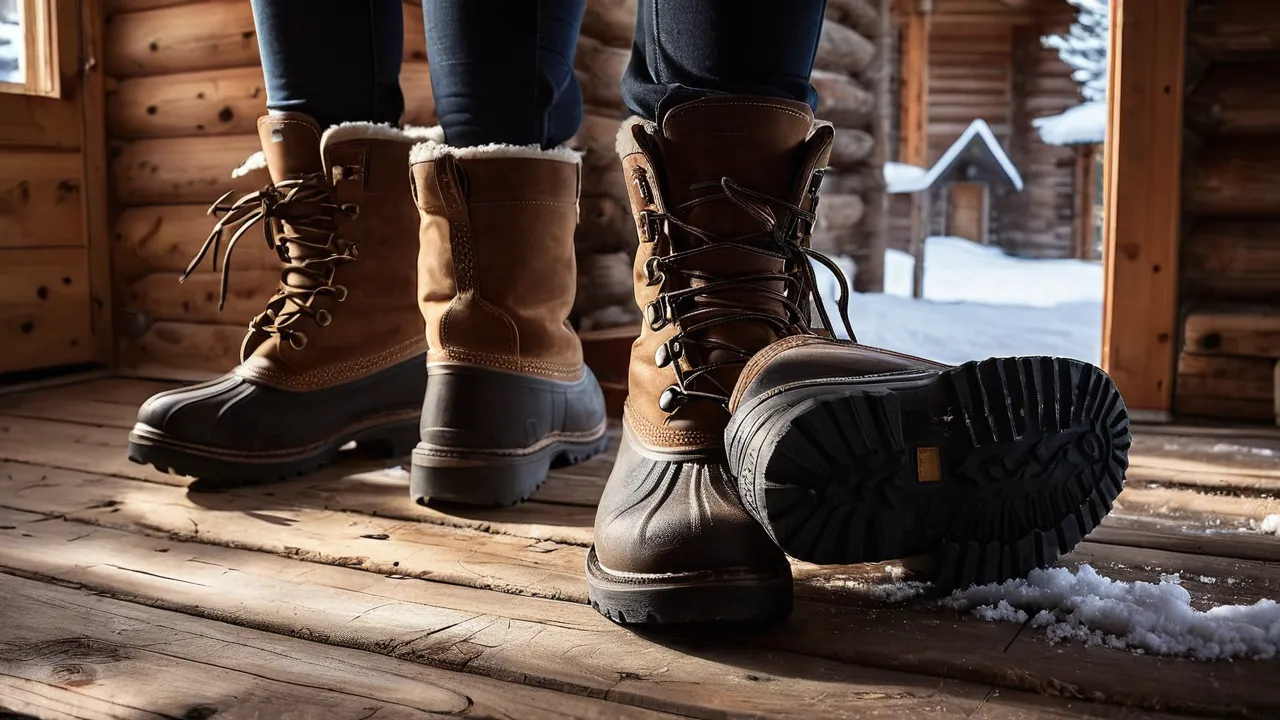
A wide calf fit in winter boots means the shaft opening is large enough to go over your calf, with your winter pants or leggings on, without squeezing or gapping at the top. The method is simple: measure the widest part of your calf, add room for what you wear, and compare that number with the shaft circumference the maker lists at the height you want.
Why Calf Fit Is Its Own Problem
Boot size is about the foot, and calf fit is about the leg, so the two do not track each other. You can wear a standard foot size and still need a wider shaft, or the reverse. A shaft that is too narrow will not pull on, or will pull on and then pinch, which restricts circulation and flattens insulation. A shaft that is too wide lets snow and cold air in at the top and flops against the leg.
Winter adds a layer problem. Leggings, thermal tights and snow pants all add bulk around the calf, and a boot that fits over a bare leg in the shop may not close over the clothing you actually wear. So measure and compare in winter conditions, not in summer ones. Our snow boot height guide explains how shaft height changes the amount of leg the boot has to cover.
How to Measure
You need a soft tape measure, a pen and a few minutes.
- Stand barefoot or in thin socks with your weight even on both feet.
- Wrap the tape around the widest part of your calf, snug but not tight, and note the inches.
- Measure the same spot while wearing the leggings or thermal layers you plan to wear under your boots, if they add noticeable bulk.
- Measure the height from the floor to the point where the boot top would sit, usually just below the knee crease.
- Write down both numbers and compare them with the maker’s shaft circumference and shaft height.
A rule that works for many people is to add at least an inch of ease to your measurement for a stretch-free shaft that must pull over a calf, and more if you wear bulky layers. Treat that figure as a starting point and not a guarantee, since materials and cuts vary.
Note that maker charts measure the shaft at a particular height, often at the top edge. A boot may list one circumference at the top and a different one at the ankle, so check where the number is taken. If a page lists no shaft circumference at all, that is a warning sign for wide calf shoppers, and a question for the seller.
Shaft Styles and Closures
Stretch Panels
Elastic gussets or panels in the back or side of the shaft let the boot expand around the calf and relax afterward. They are the easiest solution for many wide calf wearers, and they make the boots easier to get on. Panels do wear out over time, and they can let in cold air and snow if they are thin.
Adjustable Closures
Buckles, zippers, laces that run up the shaft, hook-and-loop straps and drawcords let you set the opening yourself. Lace-up and buckle shafts are forgiving because you can loosen them for thick layers and tighten them for thin ones. Zippers help with getting in and out but check that the zipper cannot be forced against calf pressure, which strains the teeth.
Wide Calf Versions
Some makers sell dedicated wide calf versions with a larger shaft circumference. These are the cleanest solution if your calf is wide, but offerings change, and not every model is available in every size. Check the listed shaft circumference rather than relying on the label alone.
Liner Volume and Sock Thickness
A foot that is both wide and long needs volume in the foot area too. If you have a wide forefoot as well, see our wide foot sizing guide for how width letters work and how to judge a toe box. Remember that a thick sock plus a thick liner reduces space inside the boot, which can create a squeeze at the ankle even if the calf fits.
Removable liners are useful here. Taking the liner out for a trial fit shows how much room the shell has, and you can often choose a thinner liner for a more accommodating fit.
Fixes and When to Give Up
If a boot you like is a little snug, you can try a few things before returning it.
- Wear thinner leggings or tights with the boot, and layer a looser pant over the top.
- Loosen laces or buckles at the top of the shaft.
- Use a stretch panel boot or a lace-up shaft next time.
- Ask a cobbler about adding a gusset or stretching leather, which they sometimes can do on real leather and not on synthetic uppers.
Give up when the boot leaves marks, tingling or numbness in the calf within a few minutes, or when it will not zip or close with winter layers on. A boot that needs force to close will wear out the closure quickly, and it will not keep you warm.
Getting Boots On and Off, and Everyday Care
A wide calf can make a snug boot hard to pull on. Sit down, loosen the closure fully and slide your foot in before you pull the shaft over your calf. Do not stand and yank, since that strains the pull tabs and seams. Stretch panels last longer when you avoid overstretching them in the cold, since rubber and fabric are stiffer when frozen. Let the boots warm up a few minutes indoors before you force them on, and keep panels clear of salt and grit, which can break down elastic over time.
If you buy online, plan the fit check: try the boots indoors with the layers you will wear, walk around, sit and bend your knee. A shaft that is comfortable standing can bite behind the knee when you sit. Check the return policy before you order.
Decision Rules
- If your measurement plus ease is below the listed shaft circumference, the boot should fit the calf.
- If you are close, choose a lace-up, buckle or stretch style over a fixed zippered shaft.
- If you are between sizes in the foot, favor the size that fits the foot and fix the calf with a different style.
- If the seller does not publish a shaft circumference, ask for it before ordering.
- If you will wear snow pants over the boot, you need a shaft that closes at the top and sheds snow, and calf room matters less.
A Worked Example With Numbers
Suppose your calf measures 16 inches bare and 17 inches over fleece-lined leggings. You want a boot that closes comfortably over the leggings, so add an inch of ease and look for a shaft circumference of about 18 inches or more at the height where your calf is widest. A boot listed at 15 inches will not close. A boot listed at 17 inches may close but will feel tight, particularly when you bend your knee. A boot listed at 19 inches will close easily and may need a drawcord or a snug closure at the top to keep snow out.
Now check the height. If the calf is widest 8 inches above the floor and the shaft is 6 inches tall, the calf measurement is not the limiting number, and the ankle opening matters more. If the shaft is 12 inches tall, the calf is inside the boot, and the circumference at 8 inches matters a lot. This is why the height and the circumference need to be read together.
Finally, decide how the boot will be worn. If snow pants go over the boot, a snug top is fine, because the pants seal it. If you tuck leggings into the boot, you need the extra room. Matching the number to the way you dress is what turns a measurement into a purchase decision.
Checking the Fit in the Store or at Home
Wear the layers you will wear in winter, sit and stand, and walk for at least ten minutes. Notice whether the shaft bites behind the knee when you sit, whether the top gaps when you walk, and whether the zipper or buckle feels strained. Press a finger between the shaft and your leg: you should be able to slide it in with light resistance. If you cannot, the boot is too tight for all-day wear.
For more about sorting out sizing across the site, visit our clothing and footwear section, and read how we review for how we treat fit claims in listings.
Frequently Asked Questions
How do I know if a winter boot will fit my wide calf?
Measure the widest part of your calf in inches, add an inch or more for ease and winter layers, and compare it with the maker’s listed shaft circumference at the height you want. If no circumference is given, ask the seller. Stretch panels and lace-up shafts give more flexibility than fixed zippered shafts.
Are wide calf winter boots also wide in the foot?
Not necessarily. Wide calf refers to the shaft, and the foot may be a standard width. Check the foot width option separately, and if you need both, look for models that offer wide width sizes as well as a larger shaft, or try a lace-up boot that lets you adjust each area.
Can leather winter boots be stretched at the calf?
Sometimes. A cobbler can stretch real leather a little or add a gusset, but results vary and synthetic uppers usually do not stretch. Ask before you buy a boot you plan to modify, because alterations can affect waterproofing and the warranty.
Do tall snow boots fit over snow pants?
Some do, but it depends on the cuff. Boots with a wide opening and a drawcord can sit over pants, while boots with a tight shaft usually go under. Check the maker’s guidance and your pants’ cuff, and try both together before you rely on the combination.
Final Thoughts
Measure your calf, add room for winter layers and compare the number with the shaft circumference in the listing. Choose stretch panels, laces or adjustable closures when you are between sizes, and keep the foot fit separate from the calf fit. If a boot pinches or leaves marks, return it and try a different style.
Related buying guides
- Chelsea vs Lace Up vs Pull On Winter Boots
- Felt Liner vs Synthetic Liner Winter Boots
- How Long Do Winter Boots Last? Signs It Is Time
About the author

The BuyOnceChoice Editorial Team researches durable products worth buying once. Our guides compare published specifications, warranty terms, expert review consensus, and verified owner feedback. We do not conduct our own product trials. See How We Review and our Editorial Policy for our standards.