Felt Liner vs Synthetic Liner Winter Boots
Felt holds warmth but dries slowly, while synthetic liners dry faster and weigh less. Compare moisture, drying and lifespan to pick the right liner.
 By BuyOnceChoice Editorial Team
Updated November 16, 2026
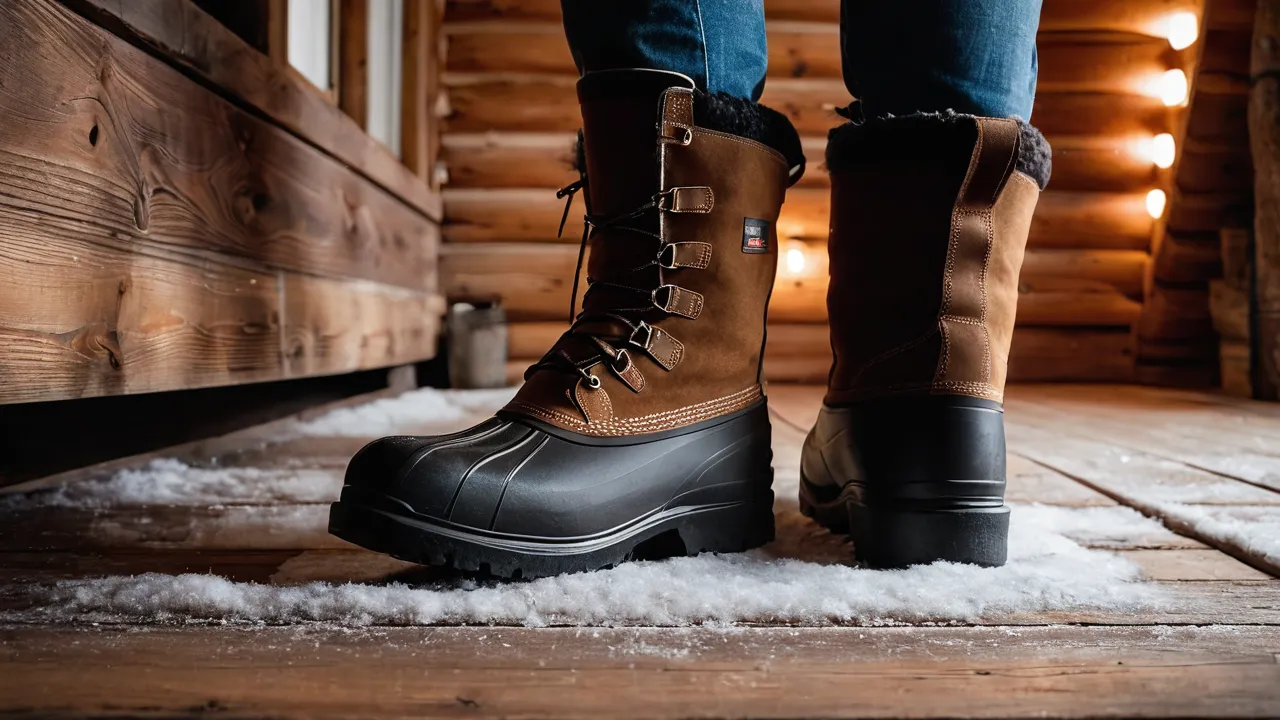
Felt liner vs synthetic liner is a trade between plush warmth and moisture control. Felt liners hold warmth well and feel cozy but absorb moisture and dry slowly. Synthetic liners dry faster, weigh less and shrug off damp, though they can feel less plush and lose loft. Choose felt for cold, dry, low activity use and synthetic for active, sweaty or damp days, and keep a spare liner either way.
What the liners are made of
Felt liners are made from compressed wool or wool blends, sometimes with synthetic fibers added. Wool fibers trap air and keep much of their warmth when somewhat damp. Synthetic liners use polyester or similar fibers, often in layers, and some combine a fleece or foam. Closed cell foam liners are another type, which resist water but trap sweat.
Names such as thermal or arctic describe the use, but the material tells you how the liner behaves. Check the product page for the liner material, its thickness and whether it is removable.
Moisture and drying
Felt absorbs moisture into the fibers and holds it. It stays warm for a time when damp, but it takes a long time to dry, sometimes more than a day. Synthetic liners absorb little water and dry more quickly. Moisture still collects in the boot from sweat, so dry any liner fully between uses.
Wet insulation loses warmth. If your feet sweat a lot or your boots get wet inside, synthetic liners recover faster. If your feet stay dry and the cold is deep, felt holds warmth well. Our removable liner guide explains how to dry and replace liners.
How to dry each type
For felt, remove the liner and stand it in a ventilated spot at room temperature, turning it over now and then. A boot dryer with gentle airflow helps, and newspaper can absorb surface moisture, though it can transfer ink. For synthetic, follow the same steps and expect a shorter drying time. Never put either type on a radiator, wood stove or heater, which can scorch felt, melt synthetic fibers and damage adhesives. If the maker allows washing, use a gentle cycle, air dry, and check the care tag.
Odor and hygiene
Moisture and warmth breed odor. Felt can hold odor longer because it holds moisture, and some synthetic fibers hold odor too. Dry liners nightly, rotate pairs and wash socks often. Some liners can be hand washed with mild soap and rinsed well, while others should only be wiped. Check the instructions and let the liner dry completely before putting it back in the boot.
Warmth and feel
Felt is thick and cushioned, and many people find it very warm and comfortable. It also packs down with time. Synthetic liners range from light to thick, and they can feel less plush. Warmth depends on thickness, fit and the sole. A snug, thin liner may feel colder than a roomy, thick one if the boot has no space for trapped air. Do not choose by material alone, and fit the boot with your own socks.
Insoles and socks with each liner
A liner is only part of the insulation system. The insole sits under the foot, where the ground pulls heat away, and a good insulating insole matters as much as the liner wall. Felt insoles are common in pac boots, and some boots use foam or reflective layers. Socks add a second layer, and a wicking sock under a thicker wool sock is a classic combination. Do not stack too many layers, because compression reduces insulation and circulation. If feet still feel cold, check lacing and moisture before adding thickness.
Replace insoles along with the liner when either flattens. A fresh insole can make an older boot feel noticeably warmer.
Lifespan and wear
Felt compresses and mats with use, losing loft. Repeated wet and dry cycles speed this up. A flattened felt liner feels colder and can be replaced if the maker sells replacements. Synthetic liners can lose loft too, and some break down with washing or heat. Direct heat damages both. Follow the maker’s care instructions.
Cost per season depends on how long each lasts in your use. Replacement liners are sold for many pac style boots and some other models, so ask before you buy, since a boot with a worn liner and no replacement is a short lived purchase. Measure carefully, since liners are sized to the boot, and check the thickness, which affects fit and warmth. For a look at repair economics on the rest of the boot, see our work boot resole cost guide.
Hybrid and bootie liners
Some boots use a sealed bootie, a waterproof sock like liner built into the boot, with insulation around it. Others use a foam core wrapped in fabric. These hybrids aim to keep moisture out and warmth in, and they vary in how they dry. A sealed bootie keeps outside water from reaching the insulation, but sweat can collect inside, and the bootie is not always removable. If you work or play for long periods, a removable liner of any type is easier to keep dry.
Before you buy, read the product page for the liner material, whether it is removable and whether replacements are sold. If those details are missing, ask the seller, and keep the return window in mind while you check fit with your own socks.
Common regrets and how to avoid them
Owners most often regret buying a liner they cannot take out. A fixed liner that gets soaked from the inside cannot be dried on a stand, and the boot stays damp for the next outing. Check whether the liner pulls out easily and whether the shell dries on its own.
Another regret is buying a boot one size too snug because the liner feels thin in the store. Felt and synthetic liners both compress, so a boot that fits perfectly in the shop with thin socks can feel tight with winter socks and may feel loose after the liner packs down. Fit with your real socks, and leave room to wiggle your toes.
A third regret is relying on one pair for several days. Even synthetic liners need hours to dry fully. Rotating two pairs, or two liners, is cheaper than replacing a boot early because a damp liner broke down.
Finally, many buyers assume a thicker liner is always warmer. Past a point, extra thickness squeezes the foot and reduces circulation, and the foot ends up colder. When the boot feels snug with the liner in, a thinner liner and a warmer sock can do better than forcing more material into the same space.
Comparison and decision rules
| Factor | Felt | Synthetic |
|---|---|---|
| Warmth when dry | High | Moderate to high |
| Warmth when damp | Holds some | Holds some, dries faster |
| Drying time | Slow | Faster |
| Weight | Heavier | Lighter |
| Packing down | Yes, over time | Depends on the material |
| Care | Gentle, avoid heat | Gentle, avoid heat |
- Cold, dry and low activity, such as ice fishing or stand hunting: felt, with a spare.
- Active use, shoveling, hiking: synthetic.
- Sweaty feet: synthetic and wicking socks.
- Wet slush and short outings: synthetic, or a waterproof boot with a quick drying liner.
- Kids: synthetic for faster drying.
- Long cold days: carry a spare liner of either type and swap at lunch.
A person standing on a frozen lake needs thick insulation that stays warm over long stillness. A person walking through slush needs a liner that dries and does not hold much water. Think about how your day goes and how wet your boots get inside. Pick the liner that fits the pattern, and plan a spare.
To find a system that works for you, spend a short outing near home in your cold weather setup and note how your feet feel after thirty minutes and again after two hours. Notice dampness, tight spots and cold toes, and adjust one thing at a time: the sock, the lacing or the liner.
See the clothing and footwear section and how we review for how we weigh warmth claims.
Frequently Asked Questions
Is a felt liner warmer than a synthetic liner?
In dry, still cold, a thick felt liner is often warmer and feels cozier. Once it gets damp it dries slowly. A synthetic liner of similar thickness may feel less plush but recovers faster. Fit and thickness matter as much as material.
Which liner dries faster?
Synthetic. It absorbs little water and usually dries in a fraction of the time felt needs. Felt can take more than a day to dry fully, so carry a spare liner if you wear boots for several days in a row.
Can I wash a felt boot liner?
Only if the maker says so. Many felt liners should be wiped or gently hand washed, then dried in open air away from heat. Machine washing and hot dryers can shrink or mat the felt, so check the care tag first.
How long do boot liners last?
It depends on use and care. Felt flattens and mats over repeated wet and dry cycles, and synthetic liners can lose loft too. Replace a liner when it feels thin, stays damp or smells despite drying, if the maker sells replacements.
Final Thoughts
Felt wins on plush warmth for still, cold days, and synthetic wins on drying and weight for active, damp ones. Whichever you choose, dry the liner fully, avoid direct heat and keep a spare. A liner you can dry and replace outlasts one you cannot.
Related buying guides
- How Long Do Winter Boots Last? Signs It Is Time
- How to Choose Winter Boots: Warmth, Dryness, Traction
- Winter Work Boots: Insulated Safety Toe Fit and Warmth
About the author

The BuyOnceChoice Editorial Team researches durable products worth buying once. Our guides compare published specifications, warranty terms, expert review consensus, and verified owner feedback. We do not conduct our own product trials. See How We Review and our Editorial Policy for our standards.