Chelsea vs Lace Up vs Pull On Winter Boots
Chelsea boots slip on fast and look sharp in the city, but laces seal better against snow. Compare closure, seams and daily use before choosing.
 By BuyOnceChoice Editorial Team
Updated November 16, 2026
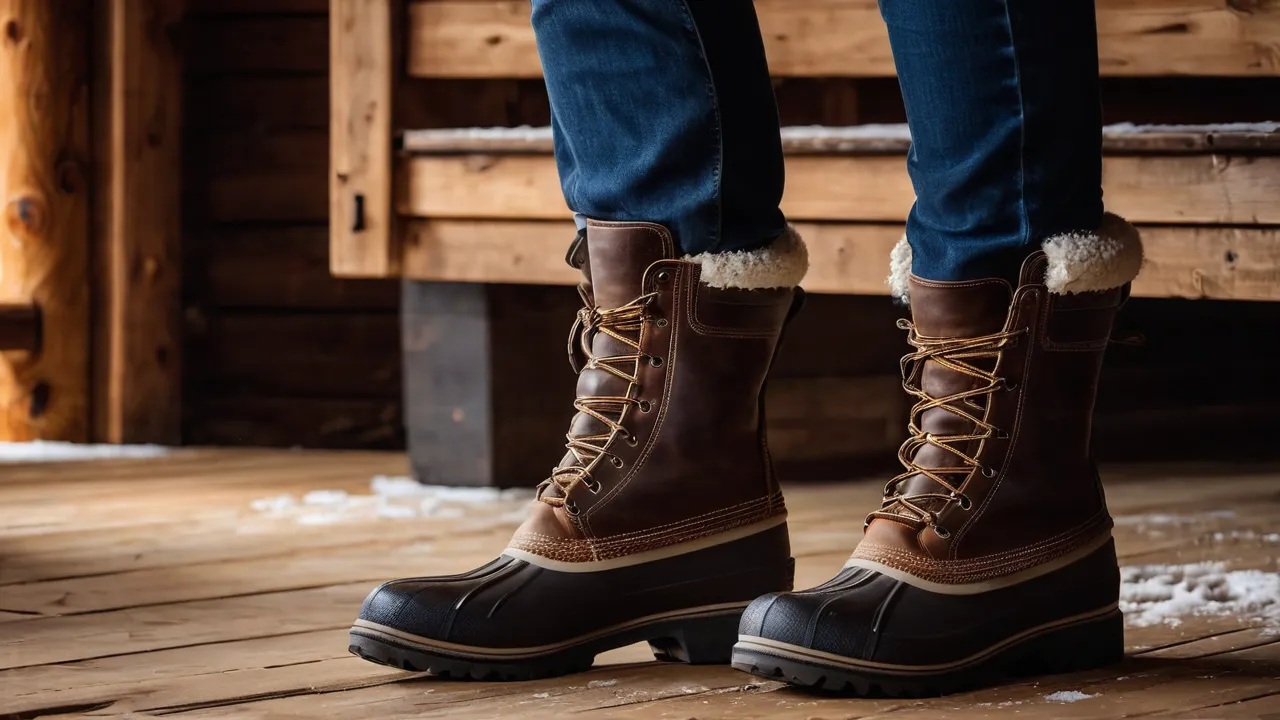
Chelsea vs lace up winter boots comes down to closure: a Chelsea slips on with elastic side panels, while a lace up closes with laces and a tongue. Choose a Chelsea for city commuting, quick on and off and mild slush. Choose a lace up for deep snow, long walks and any day when you need a sealed, adjustable fit. Pick by the snow you face and how often you take your boots off.
How the closures differ
A Chelsea boot has elastic panels on each side and a pull tab at the heel. You slip it on without laces, and the stretch of the panels holds the foot. A lace up boot closes with laces and a tongue, which allows adjustment and a tight seal across the instep. A pull on boot, such as a tall rubber boot, has no closure at all and relies on the shaft fit.
Winter versions of each exist, with insulation, waterproofing and traction soles. The closure decides how easily the boot goes on and how well it keeps out snow and slush. Style, weight and fit differ too.
City use and convenience
Chelsea boots shine in the city. They are quick to put on at the door, easy to remove at the office and look neat with pants. They fit under trouser legs without catching laces, and they suit mild slush and wet sidewalks.
For commuters who change shoes at work, a Chelsea is convenient. Look for a waterproof leather or rubber panel boot, a traction sole and an insulated lining if you walk outdoors for long periods. Check that the elastic is wide and well attached.
Snow entry and sealing
Snow finds the gaps. A Chelsea has elastic gussets, and snow can enter at the sides, especially in deep or wet snow. The shaft is usually low, so snow can also come over the top. A lace up boot with a gusseted tongue seals the front, and a tall shaft with a snug top keeps snow out. A gaiter can add protection to both. Our snow boot height guide explains shaft choices.
If you walk in unplowed snow or shovel, choose a lace up or a tall boot. If you walk on cleared sidewalks, a Chelsea can work.
Soles, traction and wet pavement
City winters mean wet pavement, ice patches and salt. A Chelsea with a smooth leather sole slips on wet surfaces, so look for a rubber lug sole or a lightly patterned traction sole. A defined heel gives a better grip on stairs and curbs. Lace up boots tend to have deeper lugs, which suit packed snow but can feel clumsy on dry floors. Many people carry indoor shoes, which keeps boots for outdoors and extends their life.
Neither style guarantees traction on ice. Short steps, a flat footfall and attention matter more than any sole. If your route is icy, consider removable traction devices, following the maker’s guidance, and take them off indoors.
Seams and durability
The weak point of a Chelsea is the elastic panel. It stretches with every step and wears with salt and cold. Over time it loosens, cracks or tears, and snow enters. Look for sturdy panels, stitching that reinforces the edges and the option of replacing the elastic. A cobbler can replace elastic panels on some boots.
Laced boots have eyelets, laces and tongue seams. Laces are cheap to replace, and eyelets and hooks can be repaired. The tongue gusset can tear, but it is a simpler repair. Both styles can be resoled when built with a welt. See our work boots guides for construction details.
Care and repair
Clean salt from both types promptly. Condition leather lightly and let boots dry at room temperature, never next to a heater. Check the elastic panels for cracking and the heel pull tab for tearing. A cobbler can replace elastic panels, reattach pull tabs and resole welted boots.
Fit, warmth and materials
Chelsea boots need a precise fit, because you cannot adjust them. A loose heel slips and a tight instep restricts circulation. Thick socks may not fit through the narrow opening. Laced boots allow adjustment for socks, swelling and orthotics. If you wear winter socks or insoles, a lace up boot gives more control.
Chelsea boots are often thin, with light insulation, so they suit moderate cold and brisk walks. For deep cold, choose a boot with a thicker liner and room for warm socks, which usually means a lace up or a roomy Chelsea with a lined shaft. A tight boot of either style can restrict circulation and make feet colder, and a loose one lets snow and cold air in.
Materials and waterproofing
Chelsea boots come in leather, suede or rubber. Smooth leather with a waterproof treatment handles slush, but suede stains and soaks. Rubber Chelsea boots shed water and clean easily. Lace up winter boots use leather, synthetics and membranes. A waterproof Chelsea with a membrane and sealed seams works, but the elastic panel is still a weak point unless it is covered by a waterproof layer or sealed to the boot.
Style and dress codes
Chelsea boots look good with jeans, chinos and suits, so they cross from work to evening. Lace up boots look more rugged, and some dress styles exist. If you need one boot for the office and the street, a Chelsea may be the practical choice. If you spend long periods outside, a lace up boot is usually the better tool. Some people own both and choose by the weather forecast.
Worked scenarios
Three daily patterns show how the choice plays out. A commuter walks a few blocks to a train, spends the day indoors and wants boots that go on in seconds. Cleared sidewalks and slush are the main hazard, so a waterproof Chelsea with a lug sole fits, and a pair of thin wool socks keeps the opening manageable. A parent who stands at a bus stop or a playground in all conditions faces cold more than slush, so a lace up with a real lining and room for thicker socks is the better call, even if it takes longer at the door. A homeowner who shovels and walks a dog on unplowed paths needs a tall shaft and a gusseted tongue, which points to a lace up or a tall pull on boot rather than either low style.
If you split your week between these patterns, the practical answer is often two pairs, because forcing one boot to do everything shortens its life. A Chelsea that spends every day in deep snow will loosen at the panels sooner, and a heavy lace up worn to the office is tiring and slow to remove. Rotating also lets each pair dry fully, which protects linings and leather.
When you shop, try each boot on with the socks you will wear in January, stand on a slope if the store has a ramp, and note whether your heel lifts as you walk. A heel that moves in a Chelsea cannot be fixed with laces, so reject it. In a lace up, check that the lacing can snug the heel without pressing the top of the foot.
Verdict by buyer type
- City commuting, mild slush, quick on and off: Chelsea with a waterproof upper and traction sole.
- Deep snow, shoveling, trails: lace up with a gusseted tongue.
- Wide feet or orthotics: lace up.
- Dress codes that call for sleek boots: Chelsea.
- Long outdoor walks: lace up with insulation.
- Salt heavy streets: either, but care for elastic panels and leather.
- Wet, muddy or slushy yards: a rubber pull on, if you do not need ankle support.
Before you buy, ask whether the elastic panel is covered or sealed, how high the waterproofing goes, what the sole pattern looks like, how thick the lining is, whether the elastic and sole can be replaced, and whether the boot fits with your winter socks. If you are undecided, picture your worst typical day, not your average one. The boot that handles that day will handle the rest.
See the clothing and footwear section and how we review for how we weigh claims like waterproof and insulated.
Frequently Asked Questions
Are Chelsea boots good in snow?
They work in shallow, cleared or slushy conditions, but not in deep snow. The low shaft and elastic side panels let snow in. For deep or unplowed snow, choose a lace up boot with a gusseted tongue or a taller waterproof boot.
Do Chelsea boots keep your feet warm in winter?
It depends on the insulation, not the style. Many Chelsea boots have light linings and suit mild cold. If you walk outdoors for long periods or stand still, pick an insulated model with room for warm socks. A sealed, lined shaft and an insulating sole also help.
Which lasts longer, Chelsea or lace up boots?
Lace up boots usually have fewer early failure points, since laces are cheap to replace. Chelsea elastic panels stretch and wear, though a cobbler can often replace them. Construction, leather quality and care matter more than closure. Rotating two pairs also slows wear on either style.
Can you wear thick socks with Chelsea boots?
Often not comfortably. The narrow opening limits sock thickness, and a snug fit can cut off circulation. Try boots with your winter socks on. If they do not fit, a lace up boot is the better option. A roomy Chelsea with a lined shaft can work for moderate cold.
Final Thoughts
A Chelsea boot trades sealing and adjustment for speed and a clean look, and a lace up boot trades speed for a tight fit and a better seal. Choose by the snow you walk in and how often you take your boots off. Many people keep both, one for the city and one for the storm.
Related buying guides
- Felt Liner vs Synthetic Liner Winter Boots
- How Long Do Winter Boots Last? Signs It Is Time
- How to Choose Winter Boots: Warmth, Dryness, Traction
About the author

The BuyOnceChoice Editorial Team researches durable products worth buying once. Our guides compare published specifications, warranty terms, expert review consensus, and verified owner feedback. We do not conduct our own product trials. See How We Review and our Editorial Policy for our standards.