Whetstone vs Pull Through Sharpener: Which to Own
One method gives control and a longer-lived knife, the other gives speed. See how each affects the edge and who should pick which.
 By BuyOnceChoice Editorial Team
Updated November 16, 2026
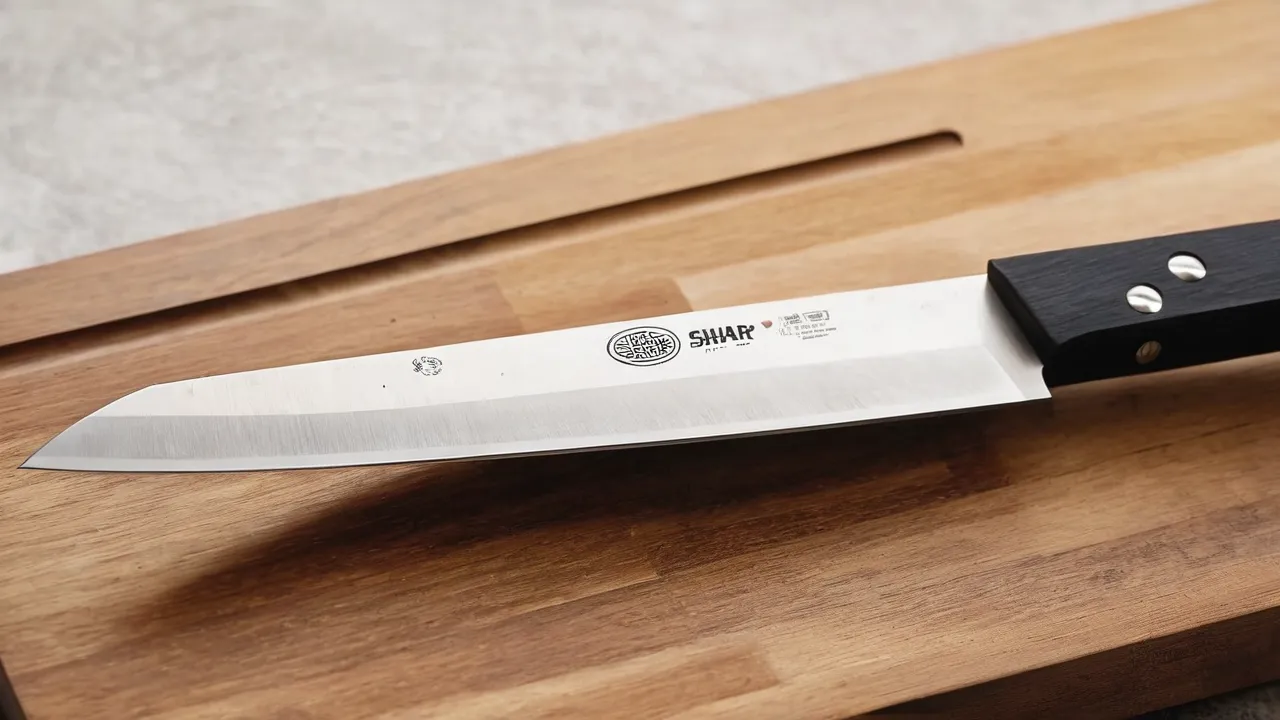
Whetstone vs pull-through sharpener: own a whetstone if you want the best edge, plan to sharpen good knives, and will learn a simple technique, and own a pull-through sharpener if you want a fast, no-skill fix for everyday knives and accept a coarser edge with more metal removed. Many households use a honing rod weekly and one of these two a few times a year.
What Each Tool Does
A whetstone, also called a sharpening stone, is a flat block of abrasive. You hold the knife at a chosen angle and move the blade across the stone, grinding a fresh edge. Stones come in grits: coarse for repairing damage, medium for regular sharpening, and fine for polishing. Some need soaking in water before use, and others use only a splash of water or oil, according to the maker.
A pull-through sharpener is a small handheld or countertop device with fixed slots holding abrasive wheels or carbide blades. You pull the knife through the slot, and the fixed angle does the guiding. It is fast and needs little skill, which is why it is popular.
Neither is a honing rod. A honing rod realigns a bent edge but does not remove much metal. Sharpening removes metal to form a new edge, and both of these tools do that.
Safety First
Sharp knives are safer than dull ones, because they need less force, but sharpening itself carries risk.
- Place a stone on a damp towel or a non-slip base so it cannot slide.
- Keep fingers behind the edge and below the spine, and move the knife away from your hand.
- Never judge an edge by running a finger along it. Check it by slicing a piece of paper or a tomato instead.
- Wash and dry the knife after sharpening, because fine metal particles and slurry cling to it.
- Keep children away from sharpening, and store sharpened knives safely.
- Wear cut-resistant gloves if you are learning and want extra protection, but do not rely on them to forgive bad technique.
Whetstones: Strengths and Weaknesses
- Edge quality: the best. You control the angle and the polish, so you can produce a very sharp, refined edge.
- Versatility: works on all steel types, straight-edged blades, and many Japanese knives. Stones can repair chips with a coarse grit.
- Metal removal: you control it, so a skilled sharpener removes little metal and prolongs blade life.
- Cost: stones range from modest to costly, and a basic combination stone covers most needs.
- Learning curve: it takes practice to hold a consistent angle. The first sessions may produce uneven results.
- Time and mess: sharpening takes 10 to 20 minutes, and you need water and a flat surface. Stones also need flattening over time.
Typical grit choices are a coarse stone around 200 to 400 for repair, a medium stone around 1,000 for regular sharpening, and a fine stone around 3,000 to 6,000 for polishing. A combination stone with two grits is a popular starting point.
Pull-Through Sharpeners: Strengths and Weaknesses
- Speed and ease: you can sharpen a knife in under a minute with no skill.
- Fixed angle: the slot sets the angle, which is consistent but may not match your knife.
- Metal removal: many pull-through sharpeners remove more metal than needed, and carbide versions in particular can wear a blade faster.
- Edge quality: usually decent, often coarser than a stone, and may be uneven near the heel and tip.
- Limits: they are not suited to thin Japanese knives, serrated blades, or very hard steels, and many are made for Western angles.
- Cost: low, and the device is compact.
Choose a pull-through that states the angle it uses and the types of knife it supports. Look for ceramic or diamond stages that grind gently, and avoid devices that carve the edge in two quick strokes.
Edge Angle and Your Knives
Western knives are commonly sharpened to around 20 degrees per side, and many Japanese knives to around 15 degrees per side, though makers vary. A pull-through with a fixed angle may be a poor match for a thin, hard Japanese knife, and it can change the shape of the edge. A whetstone lets you match the factory angle. Check the angle the knife maker recommends, and choose a sharpener that matches. If you own mixed knives, the whetstone is more flexible.
Side-by-Side Comparison
| Factor | Whetstone | Pull-through |
|---|---|---|
| Edge quality | Best | Fair to good |
| Ease | Learning curve | Very easy |
| Speed | Slower | Very fast |
| Metal removal | Controlled | Often high |
| Fits all knives | Yes | Often limited |
| Cost | Moderate | Low |
| Space | Needs a flat area | Compact |
| Best for | Enthusiasts, good knives | Convenience, budget knives |
Who Should Own Which
- Beginner with an inexpensive knife set: a pull-through is fine for now, plus a honing rod.
- Cook with a good chef’s knife and an interest in craft: a whetstone.
- Busy household that wants a quick fix: a pull-through, used gently and rarely.
- Owner of Japanese or hard-steel knives: a whetstone.
- Anyone with a damaged edge or chip: a coarse stone or a professional sharpening service.
- Someone who does not want to learn: a pull-through or a sharpening service.
If you are unsure, a combination whetstone and a short learning session will serve you for years. Our chef’s knife guides cover steel and edge choices. Our How We Review page explains how we evaluate products using research and specifications rather than claims of our own trials, and the cookware and kitchen tools section covers related gear.
Worked Example: A Simple Whetstone Routine
Soak the stone if the maker says so, and set it on a damp towel. Place the knife at the angle you chose, with the edge leading, and push it along the stone in even strokes, using light pressure. Count strokes on one side, then the same on the other, and move to a finer grit. Wipe the knife, and check the edge on a piece of paper. Finish with a few light passes on a honing rod. After a few sessions the angle becomes natural.
Common Mistakes
- Using too much pressure, which wears the stone and the edge.
- Changing the angle between strokes.
- Skipping the finer grit, leaving a rough edge.
- Using a pull-through every week and wearing the blade away.
- Forgetting to flatten the stone.
- Using either tool on serrated knives without a proper method.
Sharpening Services and Other Options
You do not have to sharpen at home. Many cutlery shops, farmers’ markets, and mail-in services sharpen knives for a small fee, often on belts or wheels. A good service restores a dull knife to a keen edge and is a sensible choice for occasional needs or for knives you do not want to risk. Ask what angle they will use, and whether they work on your type of knife, such as thin Japanese blades or serrated edges. Electric sharpeners fall between the two tools discussed here. They are fast and guide the angle, but many remove a lot of metal, so follow the same cautions as for pull-through models and read the manual.
How to Know When a Knife Needs Sharpening
A honing rod is for maintenance, and sharpening is for repair. If honing brings the edge back, you do not need to sharpen. If the knife slips on a tomato skin, crushes herbs instead of cutting them, or needs force to go through an onion, honing will no longer fix it. Look at the edge under bright light, and a dull edge may show tiny shiny spots where the edge has rolled or flattened. Sharpen on a schedule that fits your use, such as every few months for a daily cook, and less often for an occasional one. Over-sharpening wears blades away, so do not sharpen more than you need.
Stone Care and Setup
Whetstones need a little care. Flatten them every so often with a flattening plate or a coarse stone, because hollows form and make it harder to keep an angle. Rinse off slurry after each session, let the stone dry fully in the open air, and store it dry. Follow the maker’s soaking guidance, since some stones should be soaked and others should only be splashed. Keep a towel under the stone, and put a shallow tray or a board under it so water does not run onto the counter. A basic setup includes a combination stone, a base, a flattening plate, and a honing rod.
Frequently Asked Questions
Is a whetstone better than a pull-through sharpener?
For edge quality and control, yes. A whetstone lets you match the angle and polish the edge, and it removes less metal. A pull-through is faster and easier. Choose based on whether you value the best edge or the least effort.
Do pull-through sharpeners ruin knives?
They can wear a knife faster if they remove too much metal or use a fixed angle that does not match the blade. Used gently and occasionally on suitable knives, they can be fine. Avoid them for thin, hard Japanese knives.
What grit whetstone should I buy first?
A combination stone with a medium grit around 1,000 and a finer grit around 3,000 to 6,000 is a good first purchase. Add a coarse stone later for repairing chips. Check the maker’s instructions about soaking and care, and buy a non-slip base or use a damp towel.
How often should I sharpen my knives?
It depends on use, but most home cooks sharpen a few times a year and hone before most sessions. Sharpen when honing no longer restores the edge, or when the knife crushes tomatoes instead of slicing them. Dull knives slip, so do not wait too long.
Final Thoughts: Choose the Tool You Will Actually Use
A whetstone gives the best edge and suits good knives, but it needs practice. A pull-through is quick and simple, but it removes more metal. Hone regularly, keep your fingers clear while sharpening, and pick the tool that fits your knives and your patience.
Related buying guides
- Best Cutting Board for Your Knives: Material Rules
- Carbon vs Stainless Steel Knives: Care and Edge
- Chef Knife Buying Mistakes to Avoid
About the author

The BuyOnceChoice Editorial Team researches durable products worth buying once. Our guides compare published specifications, warranty terms, expert review consensus, and verified owner feedback. We do not conduct our own product trials. See How We Review and our Editorial Policy for our standards.