Is Copper Cookware Worth It? Who Should Skip
Copper offers fast, precise heat control but demands upkeep and often a larger budget. Learn who benefits, who should skip and what to check.
 By BuyOnceChoice Editorial Team
Updated November 16, 2026
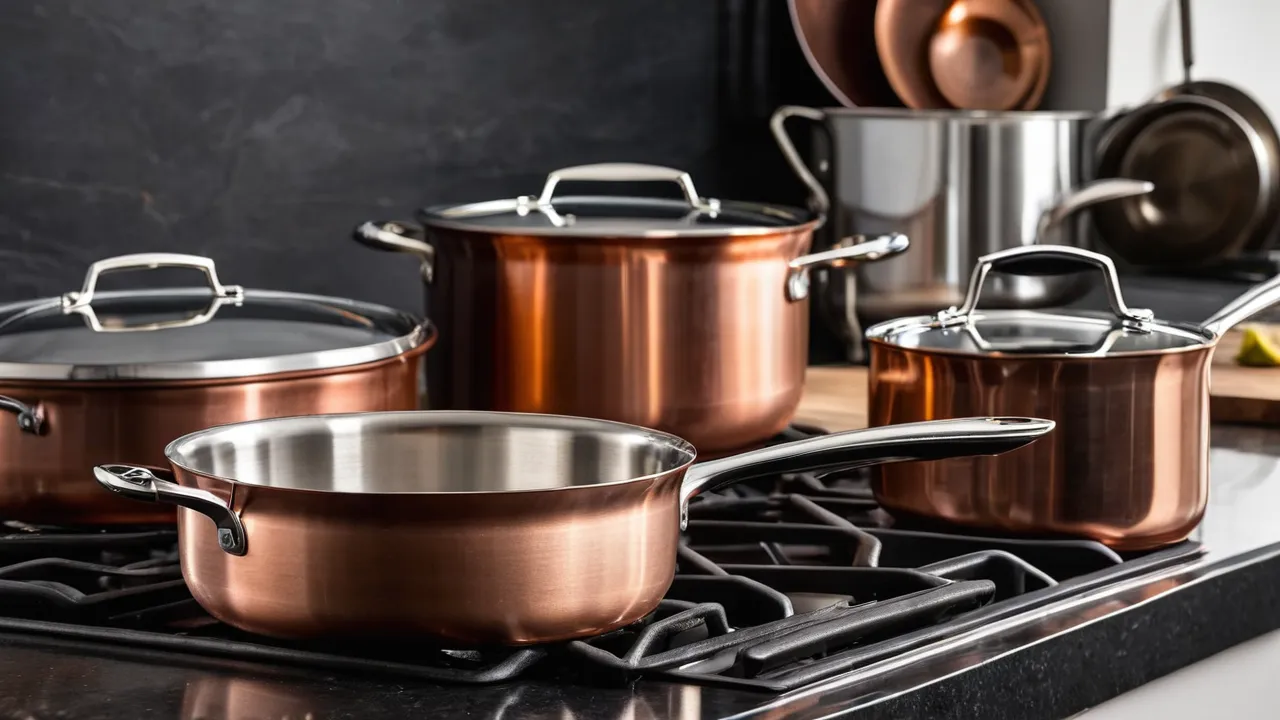
Is copper cookware worth it? For most home cooks, no. Copper is worth it if you make delicate sauces, candy, or custard where fast, precise heat control matters, and you enjoy the care it needs. If you cook on induction, want low maintenance, or mostly sear and braise, skip it and use clad stainless or cast iron instead.
What Copper Cookware Actually Offers
Copper conducts heat extremely well, better than aluminum and far better than stainless steel. In practice, that means a copper pan heats quickly across its whole surface and cools quickly when you take it off the heat. The response is the main reason professional pastry kitchens and sauce cooks like it. A sauce that is about to scorch can be rescued by lifting the pan, since the heat drops right away.
Cooking this way has a learning curve. The pan responds so fast that careless heat control burns food, and the speed that makes it good for sugar work makes it unforgiving for novices. Heavy copper also tends to be thick and expensive, since the thickness is what makes it perform. A thin copper pan with a decorative look gives little benefit.
Copper alone is not safe for all foods, which is why cookware is usually lined, most often with stainless steel or tin. We cover linings below.
Linings: Stainless, Tin, and Unlined
- Stainless-lined copper: the most practical modern choice. The interior is stainless steel, so acidic foods like tomato sauce are fine, and the lining is durable. The pan keeps its copper exterior for heat spreading.
- Tin-lined copper: a traditional lining with a smooth, naturally nonreactive surface. Tin is soft and wears with use, and it melts at a relatively low temperature, so overheating an empty pan can ruin it. Worn tin needs to be re-lined by a specialist.
- Unlined copper: used for some bowls, such as beating egg whites, and for sugar work in jam pans. Unlined copper reacts with acidic foods and should not be used for general cooking. Follow the maker’s guidance and local food safety guidance.
Check the product page for the lining and its care requirements. A pan without a stated lining should be treated as unlined.
The Real Costs of Owning Copper
Copper has costs beyond the price tag.
- Cost: good copper cookware is costly compared with clad stainless of similar size, and a full set is a major investment.
- Weight: heavy copper pans can be tiring to handle when full.
- Polishing: copper tarnishes and develops a dark patina. Keeping it bright takes regular polishing, though many owners accept a darker look.
- Induction: pure copper does not work on induction. Some pans include a magnetic layer, but check the product page.
- Re-tinning: tin-lined pans may need a professional re-lining after years of use.
- Heat sensitivity: copper handles do not stay cool unless the maker uses stainless or cast handles. Use mitts.
Who Should Buy Copper
Copper suits cooks who value control and are willing to maintain the finish.
- Dedicated saucier or pastry cook who makes custards, hollandaise, caramel, jam, or candy.
- Enthusiasts who enjoy the look and the ritual of care.
- Cooks on gas or electric coil who want rapid response and can cook at medium heat.
- Collectors who care about heirloom quality.
Copper also makes sense for one piece: a saucepan or a jam pan, rather than a full set. Spending on a single well-made saucier lets you enjoy copper’s strengths without a large investment.
Who Should Skip Copper
- Induction households, unless the pan has a verified magnetic base.
- Cooks who want low maintenance and use the dishwasher.
- People whose cooking is mostly searing, roasting, and braising, where thick cast iron or clad stainless works better.
- Beginners with limited budgets.
- Anyone who does not want to polish.
- Cooks who cook acidic foods in unlined pans.
For these cooks, fully clad stainless with an aluminum core delivers even heating at lower cost and with less upkeep, and cast iron handles heavy searing and holding heat.
Alternatives Compared
| Need | Better choice |
|---|---|
| Even heating, low upkeep | Fully clad stainless |
| Searing and oven use | Cast iron |
| Braising and stews | Enameled Dutch oven |
| Fast control for sauces | Copper or thin carbon steel |
| Induction | Magnetic clad stainless, cast iron |
Our stainless steel cookware guides explain cladding, and our cast iron cookware guides and Dutch oven guides cover heat-retaining options. Our How We Review page explains how we evaluate products using research and specifications, and the cookware and kitchen tools section covers related gear.
Care Basics if You Buy Copper
Wash copper by hand with warm water and mild soap, and dry it right away to prevent spotting. Polish with a copper cleaner or a paste of lemon and salt if the maker permits, and rinse thoroughly, since residue can leave a film. Do not use abrasive pads on a tin lining, and use wooden or silicone tools. Avoid heating an empty tin-lined pan. Store pans so they do not rub against each other and scratch. Many people let copper develop a patina, which does not affect cooking when the lining is intact.
A Worked Example
A home cook who makes custard and caramel weekly buys a mid-sized stainless-lined copper saucier for those tasks. The pan lets her pull a custard off the heat the moment it thickens, which saves her from scrambled eggs. She keeps her cast iron skillet for searing and a clad stockpot for pasta. Another cook who mainly roasts and sears, and cooks on induction, spends the same money on a heavy clad skillet and a Dutch oven. Both choices are sensible. Copper pays off only for the first cook’s use.
How to Judge a Copper Pan Before You Buy
Thickness is the first check. Heavy-gauge copper is what delivers the control people pay for, and the product page often lists thickness in millimeters. Very thin pans look attractive and cook little differently from aluminum. Next, check the lining and how it is attached, since a stainless lining bonded to the copper is more durable than a thin liner. Look at the handle material and rivets, because cast stainless or iron handles are sturdy and stay cooler than copper ones. Check lid fit, weight, and whether the maker publishes care and warranty terms. If any of these are missing, ask before buying.
Copper Compared With Aluminum Core Clad Pans
Modern clad stainless often hides an aluminum core. Aluminum conducts heat well, though less than copper, and it costs far less. In practice, a well-made clad pan evens out heat enough that most cooks do not notice the difference, except in sensitive recipes. Copper wins on response speed, so it cools quickly when you lift it. Clad pans hold heat a little longer and forgive inattention. That is why many cooks use a clad pan as the main tool and keep copper for the few jobs where speed matters.
Mistakes Buyers Report
- Buying a full set when only a saucier or jam pan would be used.
- Choosing decorative thin copper that does not perform differently.
- Overlooking induction incompatibility until the pan arrives.
- Using abrasive cleaners that scratch the lining.
- Heating an empty tin-lined pan, which can damage the tin.
- Expecting copper to stay shiny without polishing.
Thinking through these before buying saves money and frustration. If a mistake has already happened, contact the seller or maker about return and warranty options, and read what the warranty excludes.
A Short Decision Rule
Ask three questions. Do I regularly make sauces, custards, or sugar work? Do I own a gas or coil cooktop, or a copper pan with a magnetic base? Am I willing to polish or live with a patina? If the answer to all three is yes, one lined copper piece is worth considering. If any answer is no, put the money into clad stainless or cast iron.
Frequently Asked Questions
Is copper cookware safe to use?
Lined copper is generally safe when used as the maker directs. Stainless or intact tin linings keep food from touching the copper. Unlined copper can react with acidic foods, so reserve it for uses the maker recommends, such as whipping egg whites or making jam in pans designed for it.
Does copper cookware work on induction?
Not by itself, because copper is not magnetic. Some pans include a magnetic stainless layer on the base, and those do work. Check the product page for induction compatibility, or hold a magnet to the base. Otherwise, choose a magnetic clad stainless pan.
Is copper worth the price compared with stainless steel?
For most cooks, clad stainless offers similar even heating for far less money and care. Copper’s advantage is fast response, which matters for delicate sauces and sugar work. If you do not cook those regularly, the extra cost is hard to justify.
How long does copper cookware last?
A well-made pan can last for decades with careful use. Stainless linings last a very long time, and tin linings may wear and need re-lining. Cosmetic tarnish does not shorten life. Dents and a worn lining are the real concerns.
Final Thoughts: Buy One Piece, Not a Set
Copper is a specialist’s tool. If you make delicate sauces and enjoy care, one lined copper pan is a good investment. If you cook on induction, want low upkeep, or mostly sear and braise, clad stainless and cast iron will serve you better.
Related buying guides
- Is Stainless Steel Cookware Safe? Nickel and Chromium
- Nonstick vs Stainless vs Cast Iron: Which Pan First
- PTFE vs Ceramic Nonstick: Durability and Safety
About the author

The BuyOnceChoice Editorial Team researches durable products worth buying once. Our guides compare published specifications, warranty terms, expert review consensus, and verified owner feedback. We do not conduct our own product trials. See How We Review and our Editorial Policy for our standards.