How Long Does Stainless Steel Cookware Last
Stainless rarely wears out in the way coated pans do. Here are the real failure modes, how to extend life and what a warranty usually covers.
 By BuyOnceChoice Editorial Team
Updated November 16, 2026
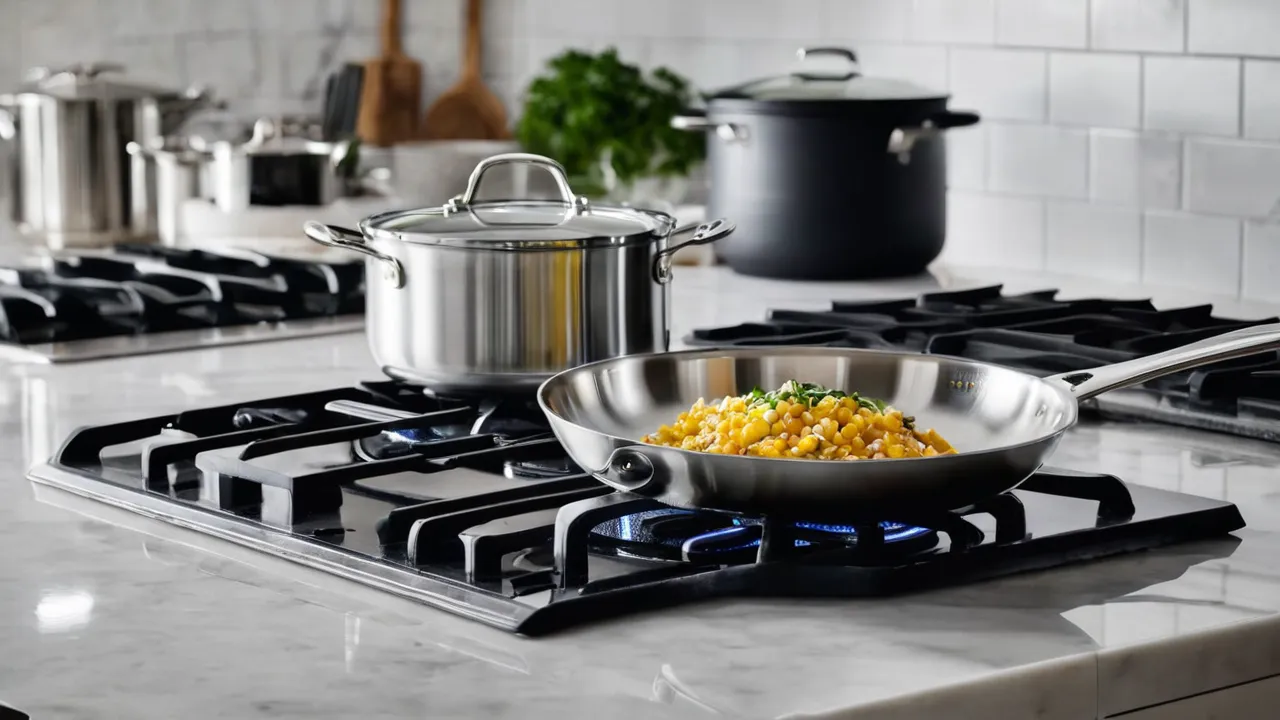
Stainless steel cookware lifespan is long: a well-made, properly used set commonly lasts for decades, because the metal does not coat, flake, or rust under normal use. What shortens its life is physical damage, such as a warped base, loose handles, separated layers, or heavy pitting, not ordinary cooking wear. Cosmetic marks, stains, and discoloration do not count as the end of a pan.
Why Stainless Steel Lasts
Stainless steel is an alloy of iron, chromium, and usually nickel. The chromium forms a thin protective oxide layer on the surface that renews itself when scratched, which is why stainless resists rust and does not need seasoning. There is no coating to wear off, so knife-like scratches and years of stirring change appearance more than performance.
Most quality cookware is clad, which means layers of metal are bonded together: stainless on the cooking and outer surfaces, with aluminum or copper in the core or base for heat spreading. That construction is what gives even heating, and it is also the main place where a pan can fail, since a bond that separates ends the usefulness of the piece. Fully clad pans carry the layers up the walls, while many budget pans use a disc bonded only to the base.
Longevity also depends on thickness. A pan with a heavy base resists warping on a strong flame, while very thin stainless can warp from heat shocks. The maker’s description and the pan’s weight give hints, and warranty terms tell you what the company is willing to stand behind.
What Ends the Life of a Stainless Pan
Only a short list of problems end a piece.
- Warped base: the pan rocks on a flat burner and heats unevenly. Mild warp can sometimes be tolerated on gas but is a problem on flat electric or induction cooktops, where contact matters.
- Delamination: the layers separate, which shows as bubbling, a gap at the base, or a rattle. This is rare in good pans and is a warranty question.
- Loose or broken handles: rivets that wobble are a safety problem because the pan can tip when full.
- Heavy pitting: small pits from salt left to dissolve in cold water can leave rough spots. A few are cosmetic, but extensive pitting can be hard to clean and may be a sign to retire the pan.
- Damaged lids: a cracked glass lid or a loosened knob should be replaced, though lids are sold separately in many ranges.
What Does Not End It
Stainless looks worn long before it is worn. These problems are cosmetic or fixable.
- Rainbow tint: a bluish or rainbow film from heat. It cleans off with diluted vinegar.
- Burnt-on residue: simmer water with baking soda and scrub, or use a cleanser made for stainless.
- Scratches and utensil marks: they do not harm cooking.
- White spots: mineral deposits wipe off with vinegar.
- Dull outside finish: polish with a stainless cleaner.
- Food sticking: usually a heat and oil technique issue, not wear.
If you keep thinking a pan is finished because it looks bad, clean it properly before deciding.
Pitting, Explained
Pitting looks like tiny dark dots or a rough patch on the cooking surface. It usually comes from concentrated salt sitting on the metal before the water boils, or from harsh chlorine-based cleaners left on the surface. A few pits do not affect cooking and do not make the pan unsafe, but they can catch food and make cleaning slower. Pits that spread, or a surface that feels rough across a wide area, mean the protective layer is struggling and the pan is nearing retirement. Avoid bleach-based cleaners on stainless unless the maker permits them, and rinse thoroughly.
A Five-Minute Condition Check
Once a year, give each pan an inspection. Set it on a flat counter and press the rim to see whether it rocks. Look across the base for bulges or a gap at the edge where the layers meet. Tap the handle rivets with a fingertip for movement. Hold the pan up to the light and look at the interior for pits. Check lids for a snug fit and a firm knob. A pan that passes all five points is fine, and a pan that fails one should be handled according to the table above.
Use Case Changes Lifespan
A home cook who sears hot, deglazes, and stirs with metal utensils asks more of a pan than one who simmers soup. High heat for searing is what stainless is made for, but it also shows the effects of bad habits fastest. A restaurant-style cook who uses a pan hard every day may see wear in a few years that another household never sees in decades. Plan your purchase around your cooking habits. If you cook daily and often at high heat, choose heavier clad pans with sturdy handles. If you cook lightly, a mid-weight set will do the job for a very long time.
Repair, Replace, or Move On
Most stainless problems are not repairable at home. A warped base cannot be reliably flattened, delaminated layers cannot be rebonded, and loose rivets are best handled by the maker or replaced with a new pan. Use this approach:
| Problem | Action |
|---|---|
| Stains or tint | Clean it, do not replace |
| Loose handle with screws | Tighten per the maker |
| Loose rivets | Check warranty, replace the pan |
| Rocking base | Replace if it affects contact with the burner |
| Separated layers | Claim under warranty or replace |
| Cracked lid | Buy a matching lid |
Before you replace a pan, check warranty terms. Many makers of clad cookware offer coverage for defects such as delamination and warping from normal use, though they usually exclude damage from overheating, dropping, or abuse. Keep your proof of purchase and read the exact terms.
Habits That Keep Stainless Going
- Preheat gradually, and avoid heating an empty pan on high for long periods.
- Do not plunge a hot pan into cold water, which can warp the base.
- Add salt to boiling water rather than letting it sit on cold water, to reduce pitting.
- Use enough fat and let the pan reach temperature before adding food, to cut sticking and the scrubbing that follows.
- Clean with soft sponges and a cleanser designed for stainless, and avoid steel wool on polished exteriors.
- Dry the pan after washing to avoid water spots.
- Store pans without stacking hard against each other, or add a liner between them.
- Check the manual for dishwasher guidance. Many pans are dishwasher safe, but hand washing keeps the finish better.
How Stainless Compares With Other Materials
Stainless is the lowest-maintenance material for long-term use. Cast iron cookware can last even longer but needs seasoning and drying, and enameled Dutch ovens have an enamel surface that can chip. Nonstick pans are the shortest-lived, since the coating wears, so many cooks use stainless as the long-term workhorse. If you are shopping, our stainless steel cookware guides explain what to look for in cladding and handles, and the cookware and kitchen tools section lets you compare materials. Our How We Review page explains how we compare products using published specifications and research.
Choosing a Set That Lasts
If longevity is your goal, look at these points on the product page.
- Fully clad construction up the sidewalls, which resists warping and heats evenly.
- Riveted handles of stainless steel, which tolerate oven heat and repeated use.
- A clear warranty that covers defects such as delamination.
- Replaceable lids from the same range.
- Compatibility with your cooktop, including induction if you have it.
- Stated oven-safe temperature for handles and lids.
Cheaper sets with thin disc bases can be fine for light use but warp more readily on high heat. Spending more on one or two sturdy pans, such as a skillet and a saucepan, often outlasts a larger low-cost set.
Frequently Asked Questions
How long does a stainless steel pan last?
A good stainless pan often lasts decades with ordinary care. It does not wear out from use the way a coated pan does. The usual end of life is a warped base, delaminated layers, loose handles, or heavy pitting, and cosmetic stains do not shorten its useful life.
Why did my stainless pan warp?
Warping usually comes from rapid temperature change, such as running cold water into a very hot pan, or from heating an empty pan at high heat. Thin bases warp more readily. Preheat gradually, let the pan cool before washing, and consider a thicker clad pan.
Can I fix a stainless pan with a loose handle?
If the handle is screwed on, tighten it as the manual directs. If it is riveted and loose, the repair is not practical at home, so check the warranty and replace the pan. A wobbling handle can drop a pan of hot food.
Is stainless steel cookware better than nonstick for the long run?
For durability, yes. Stainless has no coating to wear out, so it can last far longer. Nonstick is easier for eggs and delicate foods but its coating degrades with use, so many cooks keep one nonstick pan and use stainless for the rest.
Final Thoughts: Clean It Before You Replace It
Stainless steel is one of the most durable cookware materials. Replace a pan for a warped base, separated layers, loose rivets, or heavy pitting. For stains, tint, and scratches, clean and keep cooking.
Related buying guides
- How to Choose Stainless Steel Cookware: Clad, Handles, Lids
- How to Stop Food Sticking to Stainless Steel
- How to Tell If Cookware Works on Induction
About the author

The BuyOnceChoice Editorial Team researches durable products worth buying once. Our guides compare published specifications, warranty terms, expert review consensus, and verified owner feedback. We do not conduct our own product trials. See How We Review and our Editorial Policy for our standards.