How Long Do Nonstick Pans Last, and When to Replace
Nonstick coatings wear out with heat, scratches, and age. Learn the warning signs, how to extend life, and which pans last longer.
 By BuyOnceChoice Editorial Team
Updated November 16, 2026
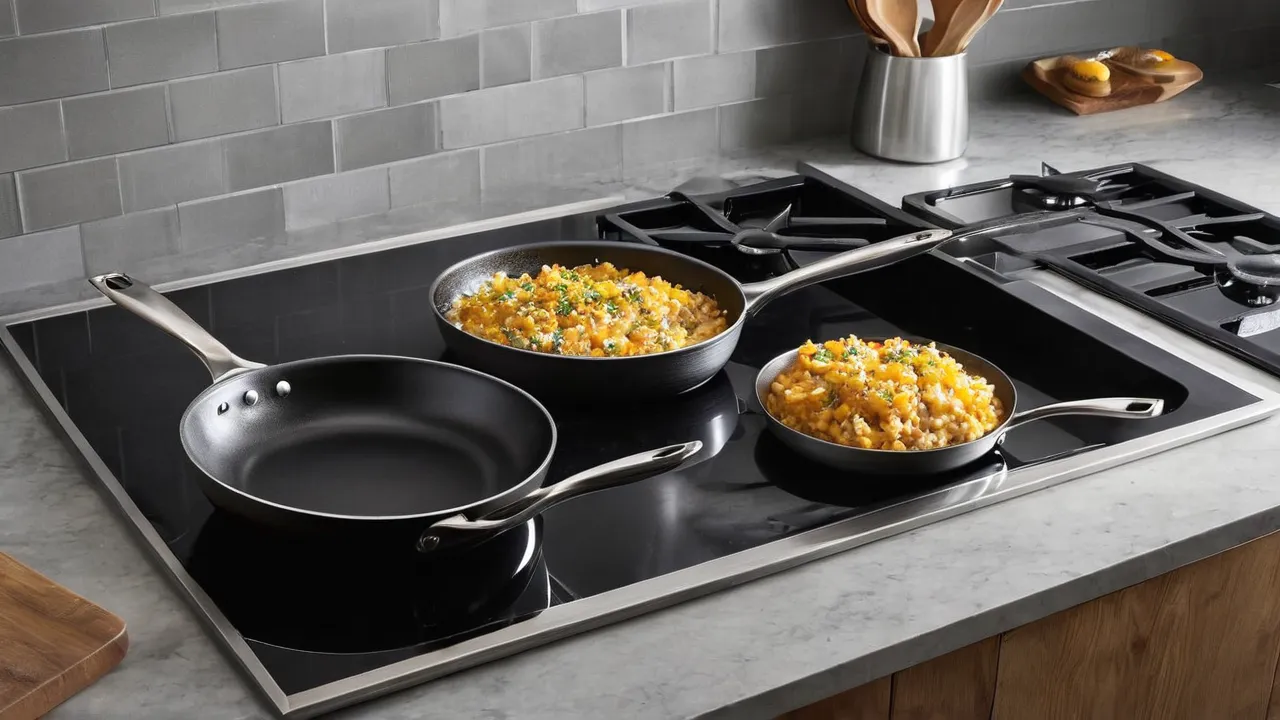
Most nonstick pans last roughly a few years with regular home use, and the right time to replace one is when the coating is scratched through, flaking, peeling, deeply discolored or no longer releases food even with a little fat. Nonstick coatings wear out with heat, utensils and washing, so treat the pan as a consumable and replace it when the surface fails, not when the pan is merely old.
Why Coatings Wear Out
A nonstick surface is a thin coating, usually a fluoropolymer such as PTFE, bonded to a metal pan, and it is much softer than the metal beneath it. Every time you cook, wash or stack the pan, tiny scratches and micro-wear remove some of the coating. High heat also ages the polymer, making it duller and less slick. Over time, the slickness fades, food starts to stick and the surface may flake.
No coating lasts forever, and there is no fixed lifespan. A pan used gently a few times a week can last longer than one used daily at high heat. Makers’ warranties often exclude coating wear, which tells you how the industry views the issue. Our cast iron and stainless steel categories cover pans that can last far longer.
Think of the coating as wearing like a tire tread. You can slow it down with good habits, but you cannot stop it. The sections below show what to watch for and what to avoid.
Signs It Is Time to Replace
- The coating is flaking, peeling or bubbling.
- You can see bare metal through scratches, or the scratches are deep and cover a large area.
- Food sticks even with oil, and cleaning leaves a tacky film that does not come off.
- The surface is dull, rough or deeply discolored.
- The pan is warped and rocks on the burner, so it heats unevenly.
- The handle is loose or damaged.
- You notice a burnt smell from the coating when you heat the pan normally.
A few light surface scratches that do not go through the coating are not an emergency, though they signal wear. If a pan is badly scratched or flaking, replace it. Do not keep using a pan whose coating comes off in pieces, and follow the maker’s guidance about use of damaged pans. If you have concerns about ingestion of flakes, a doctor can advise.
Habits That Extend Life
- Use low to medium heat. Nonstick does not need high heat to work.
- Use wood, silicone or nylon utensils, not metal.
- Wash by hand with a soft sponge and mild soap, even if the pan is labeled dishwasher safe.
- Let the pan cool before washing, since sudden temperature change can warp it.
- Avoid abrasive pads, steel wool and harsh cleaners.
- Do not stack pans without a liner, since sliding scratches the surface. Use a cloth or felt pad between them.
- Do not use cooking sprays on the pan, since residue can build up and sticks to the surface.
- Add a little oil or butter, since fat helps the pan release and protects the surface.
- Store the pan with care, hung or on a shelf with liners.
These habits can double the effective life of a pan in many kitchens, and they cost nothing.
What Shortens a Pan’s Life Fastest
The biggest enemy is heat. Preheating an empty pan on high, searing at maximum heat and leaving a pan on a hot burner without food all stress the coating. Metal utensils come next, because a scrape through the surface starts a flake. The dishwasher is third, since strong detergents and heat degrade coatings. Others are cutting in the pan, stacking without protection and using steel wool on stuck food.
The pan itself matters, too. A thin, cheap pan warps with heat, which loosens the coating, while a thicker, better-made pan resists warping. A pan with a good base spreads heat evenly, so you do not need high settings. Match the pan to the cooktop, and do not use a pan that is much smaller or larger than the burner.
A Worked Example
A cook uses a nonstick skillet daily for eggs, with a silicone spatula, hand washing and medium heat, and the pan still releases eggs well after three years. Another cook uses a similar pan for searing steaks on high heat, scrapes it with a metal spatula and runs it through the dishwasher. The second pan loses its slickness in a year, shows scratches and begins to flake. Both pans started the same. The difference was heat, tools and washing. The second cook might have been better served by a stainless steel or cast iron pan for searing, and a nonstick pan for eggs only.
Safety Notes
Follow the maker’s instructions for temperature limits and use. Overheating an empty nonstick pan can degrade the coating and release fumes. Sources differ on exactly where the threshold lies, and it is often cited as roughly 500 degrees Fahrenheit or higher, so check your manual for your pan’s limit. Normal cooking at low to medium heat is well below the levels that cause concern, and the main risks are an empty pan left on high heat and a pan that boils dry.
Pet birds are especially sensitive to fumes from overheated coatings and from other sources in the kitchen. If you keep birds, ventilate the kitchen well, keep them out of the room while you cook with nonstick pans and consider avoiding coated cookware. If you have symptoms such as chills, a headache or a cough after heating a nonstick pan, ventilate the room and consult a doctor.
If a pan is scratched through, flaking or heavily worn, replace it. Look for a pan from a maker that describes its coating and gives temperature limits, and recycle the old pan if local rules allow. For how we weigh safety guidance, see how we review.
Choosing a Better Nonstick Pan Next Time
If you decide to buy another nonstick pan, choose with the lifespan in mind. Look for a thick, flat base that resists warping, a coating the maker describes clearly, a stated temperature limit, a comfortable handle that is securely attached and a lid if you need one. A heavier pan spreads heat more evenly, so you can cook at medium heat, which is kinder to the coating. Avoid very thin, very cheap pans if you cook daily, since warping and fast wear can make them poor value.
Size the pan to what you cook. A small 8 or 10 inch pan used for eggs lasts longer than a large pan used for everything, because it sees fewer high-heat tasks. Keep your best nonstick pan for the gentlest jobs, and use a different pan for searing, browning and anything that calls for high heat. Mark the date you start using a new pan with a sticky note inside the cabinet, so that you can see how many months it has served you.
Cost Over Time and Warranty
Nonstick pans are cheap per pan but costly over time if you replace them often. A mid-priced pan that lasts three years costs about a third of its price per year, and a cheap pan that lasts one year costs its full price annually. The pans with a better build and a thicker base often last longer, which can make them cheaper per year, but only if you treat them well.
Read the warranty. Most exclude coating wear, scratches and dishwasher damage, and some cover defects such as peeling in normal use within a short window. Keep your receipt, and note the care instructions. A warranty is not a license to ignore care, and a pan that fails because of misuse will not be covered.
Buy-Once Alternatives
If you want to stop replacing pans, consider materials that last for decades.
- Stainless steel clad: durable, tolerates high heat and metal tools, needs preheating and oil to release food.
- Cast iron: a well-seasoned pan releases food well and lasts for generations, but it is heavy and needs care.
- Carbon steel: lighter than cast iron, seasoned for a natural nonstick surface, with similar care.
- Enameled cast iron: no seasoning needed and good for braises, though the enamel can chip.
You can keep one small nonstick pan for eggs and delicate foods and use the others for everything else. That way you replace only one cheap pan every few years. Check the product page for construction, oven limits and warranty terms before you buy any of them.
Frequently Asked Questions
How long do nonstick pans usually last?
Often a few years with regular, careful use, and sometimes less with high heat, metal utensils or the dishwasher. There is no fixed lifespan. Replace the pan when the coating flakes, is deeply scratched or no longer releases food.
Is it safe to use a scratched nonstick pan?
Light surface scratches are common, but deep scratches or flaking mean the coating is failing and the pan should be replaced. Follow the maker’s guidance, and do not use a pan whose coating comes off in pieces. If you have health concerns, ask a doctor.
Can I put nonstick pans in the dishwasher?
Many makers say hand washing is better, even when a pan is labeled dishwasher safe, because strong detergents and heat shorten the life of the coating. Check your pan’s care sheet, and wash by hand with a soft sponge to extend its life.
What is the best alternative to nonstick pans?
Stainless steel, cast iron and carbon steel can last for decades and handle high heat. They need preheating, fat and some care to release food well. Many cooks keep one small nonstick pan for eggs and use the others for everything else.
Final Thoughts
Replace a nonstick pan when the coating is scratched through, peeling or no longer releases food, and extend its life with low heat, soft tools and hand washing. Check the maker’s temperature limits, keep birds away from fumes and consider stainless steel, cast iron or carbon steel for a buy-once pan.
Related buying guides
- How Long Does Stainless Steel Cookware Last
- How to Choose Stainless Steel Cookware: Clad, Handles, Lids
- How to Stop Food Sticking to Stainless Steel
About the author

The BuyOnceChoice Editorial Team researches durable products worth buying once. Our guides compare published specifications, warranty terms, expert review consensus, and verified owner feedback. We do not conduct our own product trials. See How We Review and our Editorial Policy for our standards.