Cookware Lifetime Warranty: What It Really Covers
A lifetime label rarely means free replacement for any problem. Read the exclusions, shipping rules, and claim steps before you count on coverage.
 By BuyOnceChoice Editorial Team
Updated November 16, 2026
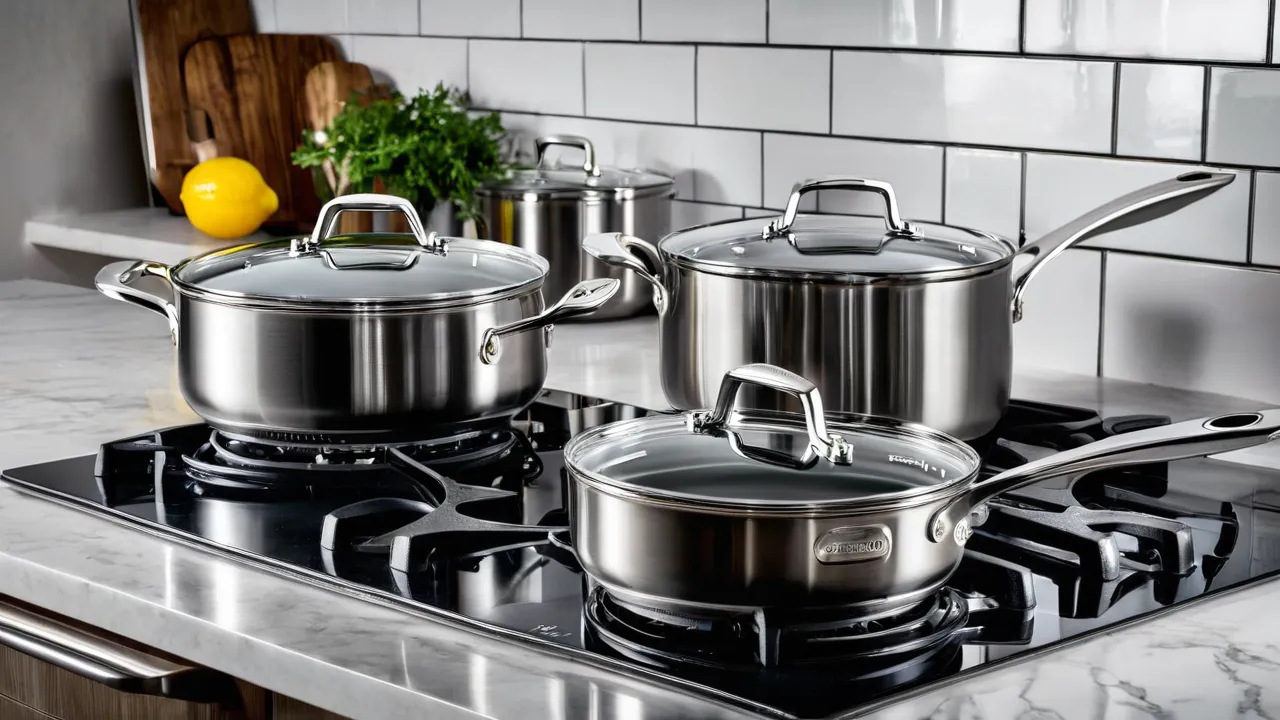
A cookware lifetime warranty usually covers defects in materials or workmanship for as long as you own the product or the maker keeps the policy, not every kind of damage. It typically excludes normal wear, burnt-on food, warping from misuse, dishwasher damage and nonstick wear, and you may have to pay for shipping and show proof of purchase. Read the written terms before you buy, because the word lifetime only tells you the length, not the coverage.
What Lifetime Means
Lifetime does not mean your lifetime in every case. It may mean the lifetime of the original purchaser, the useful life of the product or a period the maker defines. Some policies end if the product is discontinued, if the company changes, or if you sell or give the item away. Some apply only to the first owner and require registration.
Because the term is a marketing word, the details live in the terms and conditions. A warranty that sounds generous can have a long list of exclusions, and one that sounds short can be clear and easy to use. Compare the exclusions, the claim process and the cost to you, not just the headline. Our stainless steel cookware page explains what to expect from different constructions.
What Warranties Typically Cover
Common covered items include manufacturing defects such as a layer that separates from the base, a handle that loosens from a defective rivet, a base that is warped from the factory, a lid or knob that fails under normal use or enamel that flakes without impact. Some policies cover cracked cast iron if the crack is a casting defect.
Coverage depends on the product type. A stainless clad pan may be covered for delamination, a cast iron pan for cracks that start from a flaw and an enameled pot for enamel defects. Nonstick pans are often covered for a shorter time, if at all, since the coating wears out with use.
Common Exclusions
- Normal wear and tear, including worn nonstick coatings and scratched surfaces.
- Damage from misuse, such as overheating an empty pan, using metal tools on nonstick or thermal shock.
- Dishwasher damage, when the instructions say to hand wash.
- Burnt-on food, stains, discoloration and heat tint.
- Warping caused by high heat or sudden cooling.
- Chips and cracks caused by impact or drops.
- Use on a cooktop the pan is not rated for.
- Commercial or restaurant use, if the policy covers household use only.
- Items bought from an unauthorized seller.
- Damage from alterations or repairs.
The line between a defect and damage is where most disputes happen. A warped pan might be called a defect if it was warped from the first use at normal heat, and misuse if you overheated it. Photos and care records help.
Shipping, Proof and the Claim Process
Many policies require you to ship the item to the maker at your own expense, and sometimes pay a handling fee for return shipping. Heavy cast iron or enameled pots can cost a lot to ship, which may make a claim less worthwhile. Check who pays each leg of the shipment, and whether the maker accepts photos first.
Typical steps are to find the policy, gather proof of purchase and photos, contact the maker through the method listed, describe the problem and wait for a decision. You may need the original receipt, an order number or a registration record. Keep these documents with your cookware paperwork or in a folder on your phone. Do not attempt repairs before a claim, since alterations can void coverage.
Time frames vary. A response might take days or weeks, and a replacement might be the same model or an equivalent if the original is no longer made. Ask what the policy offers: repair, replacement, partial credit or refund.
Examples of Claims That Succeed and Fail
A claim that tends to succeed: a stainless pan whose base layers separate after a few months of normal cooking, with photos and a receipt. Another: a riveted handle that loosens with normal use. Another: a cast iron pan that cracks from a casting flaw, when the crack surface shows a flaw and not an impact.
A claim that tends to fail: a nonstick coating that scratched after years of use or metal utensils, a pan that warped after being heated empty on high, a pot that chipped after being dropped or a finish that stained from dishwasher detergent. Another: burnt food on the inside, which the policy calls normal use.
The boundary cases are the interesting ones. If a pan warps after two years of use on a gas range, the maker may ask about heat settings and care. If you can show regular use at medium heat and hand washing, your claim is stronger. Honest records help, and so does reading the policy first.
Buy-Once Value
A warranty adds value when it gives you a clear path to a repair or replacement for a defect, and when the maker is likely to be around. A short, clear warranty from a reputable maker may be worth more than a long, vague one from an unknown seller. Do not pay a large premium for a lifetime warranty alone. Consider the product itself: a well-built pan that you care for may last for decades without ever needing a claim. A cast iron skillet may never need a warranty if you keep it dry and seasoned.
On the other hand, a warranty on a pan that is likely to wear out, such as nonstick, has less value than it appears. Treat it as a bonus and not as a reason to buy.
A Worked Example
Two cooks buy similar-looking skillets. The first has a lifetime warranty that requires a registered purchase, covers defects only and requires the buyer to pay shipping and a handling fee. The second has a ten year warranty with free return shipping on accepted claims. After four years, both pans have a warped base. The first cook did not register and has lost the receipt, so the claim fails. The second cook sends photos and gets a replacement. The lesson is that a shorter, clearer warranty with a simple process can be worth more than a longer one with strings, and that records matter.
Working Out the Real Cost of a Claim
Before you file, add up the real cost. Count the shipping to the maker, any handling fee, the days without the pan and the chance that the replacement is a different model. A heavy Dutch oven can cost a meaningful amount to ship, and a claim for a light utensil may cost more in effort than the item is worth. If the cost of shipping and time is close to the price of the pan, a local replacement may be easier. If the item is expensive, the claim is almost always worth the effort.
Also think about the paperwork habit. Photograph the product when it is new, note the purchase date, save the receipt in an email folder and keep the care sheet. A claim that arrives with a dated receipt, clear photos and a calm description is handled faster than one without records. If you buy as a gift, ask the giver for the receipt, since many policies require it.
Finally, be realistic about what a warranty can fix. It cannot restore a pan that you have damaged, and it cannot make a thin pan perform like a thick one. A warranty is a backstop for rare defects. The best protection is choosing a well-built product, using it as intended and learning its care rules, which is the same advice that keeps most pans out of the claims queue in the first place.
How to Compare Two Warranties
- Read the length and what it counts as lifetime.
- List the covered defects and the exclusions.
- Check who pays shipping and any fees.
- Check whether registration or original purchase proof is required.
- Check whether the warranty applies if you buy from a third-party seller.
- See whether the remedy is a repair, a replacement or a refund.
- Look at the maker’s reputation for honoring claims.
If a page does not list the terms, ask the seller for the full document before you buy. For how we weigh such claims, see how we review, and for care that protects coverage, read about cast iron.
Frequently Asked Questions
Does a lifetime warranty cover nonstick coating wear?
Usually not. Nonstick coatings wear out with use, so many warranties exclude coating wear or cover it for a short time only. Read the terms, and treat a nonstick pan as a replaceable item even when the warranty uses the word lifetime.
What do I need to make a cookware warranty claim?
Typically proof of purchase, photos of the problem and a description of how the product was used. Some makers require you to register the product and pay shipping. Keep your receipt and the care instructions, and follow the claim steps in the terms.
Can I claim a warranty if the pan warped?
Sometimes. If the pan warped at normal heat from a manufacturing defect, a claim may succeed. If the warping came from overheating or sudden cooling, it is often excluded. Photos, use history and care records help the maker decide.
Is a lifetime warranty worth paying extra for?
Only if the terms are clear, the remedy is useful and the maker has a good record of honoring claims. A well-built pan and good care are worth more than a long warranty. Compare exclusions and shipping costs before you pay a premium.
Final Thoughts
A lifetime warranty is a defect policy with limits, not a promise that cookware will never wear out. Read the coverage and exclusions, keep proof of purchase, follow care instructions and weigh the maker’s record. Buy for build quality first, and treat the warranty as a safety net.
Related buying guides
- Cookware Set vs Buying Pieces Individually
- Core Cookware Checklist: Pans You Actually Need
- Fully Clad vs Disc Bottom Stainless Cookware
About the author

The BuyOnceChoice Editorial Team researches durable products worth buying once. Our guides compare published specifications, warranty terms, expert review consensus, and verified owner feedback. We do not conduct our own product trials. See How We Review and our Editorial Policy for our standards.