How to Size a Sump Pump: Horsepower and Gallons Per Hour
Horsepower is a poor guide. Size a sump pump by head height, gallons per hour at your lift, the water your pit receives and the pit's volume.
 By BuyOnceChoice Editorial Team
Updated November 16, 2026
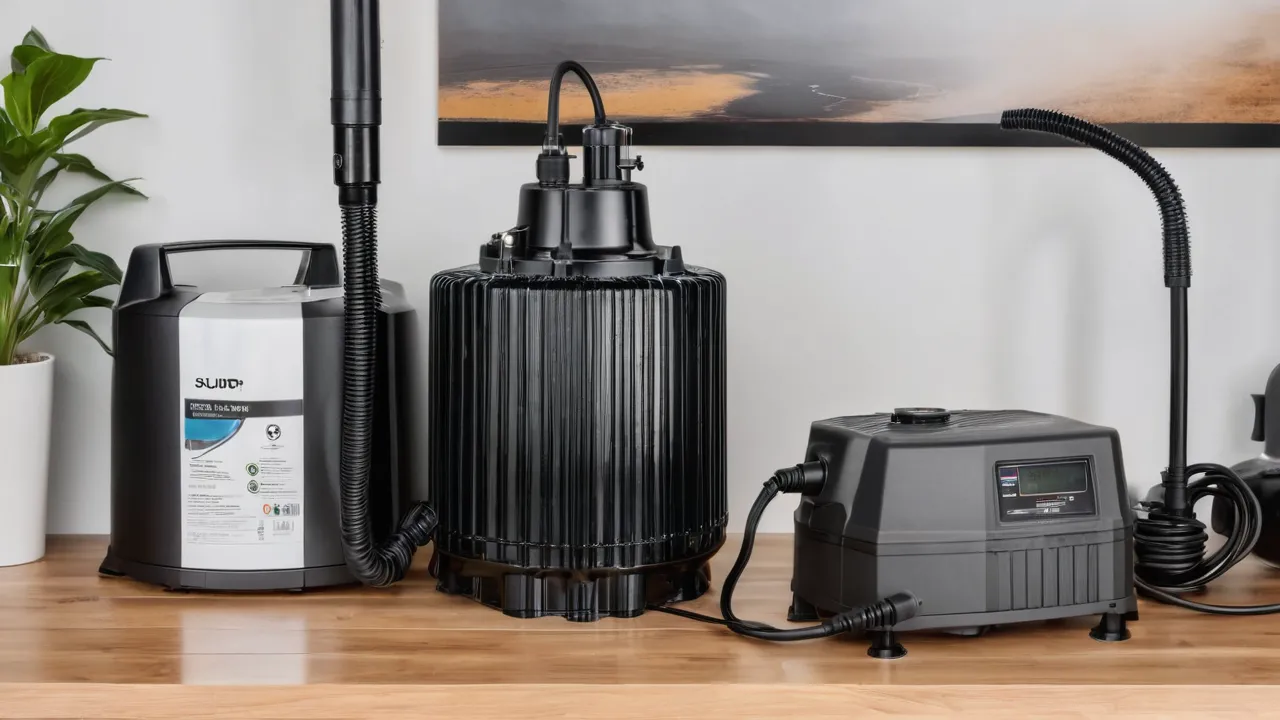
To size a sump pump, measure the vertical lift and the pipe run to find the total head, read the pump’s performance chart to see how many gallons per hour it moves at that head, estimate how fast water enters your pit and compare the two. Choose a pump whose output at your head is comfortably above your peak inflow. The horsepower rating alone does not tell you what a pump will do in your house.
Step one: measure the head
Head is the effort the pump must put in to lift the water to where it leaves the house, expressed in feet. Measure the vertical distance from the water level in the pit, where the pump switches on, up to the highest point of the discharge pipe, which is often where the pipe exits the wall. Add an allowance for friction in the pipe: long horizontal runs, elbows and a check valve all add resistance. The exact loss depends on pipe size, length and flow, and each fitting adds the equivalent of some extra straight pipe, so use the pump maker’s chart or a friction-loss table, or ask a plumber, rather than a fixed rule.
Write down the total head. A pump that moves a lot of water at a low head may move much less at a higher one, which is why this figure matters.
Step two: read the performance chart
Every pump has a performance chart, called a pump curve, that lists gallons per hour at different heads. Find your total head on the chart and read across to find the flow. The number printed on the box is often the flow at a low head, such as zero or five feet, and may be much higher than what the pump delivers at your lift. Do not size on the highest number.
Compare pumps at the same head. If the chart is not on the box, look in the manual or on the maker’s site. Check the discharge size too, since a larger pipe reduces friction. If a chart is unavailable, ask the maker for the flow at your head.
Step three: estimate the inflow
Inflow is how fast water enters the pit during heavy rain. You can estimate it by observing the pit. Disconnect or switch off the pump for a short time during a wet period, when it is safe, and measure how fast the water rises. Or, with the pump running, note how long it takes the water to rise between the off and on levels, and how long the pump takes to bring it back down.
A pit volume method
Compute the gallons per inch of pit depth. A pit about eighteen inches in diameter holds about one gallon per inch of depth, and a pit about twenty-four inches across holds about two gallons per inch. Measure how many inches the water rises in a set time during heavy rain. Multiply inches by gallons per inch, and scale to gallons per hour.
For illustration, suppose an eighteen inch pit rises six inches in two minutes. That is about six gallons in two minutes, or about 180 gallons per hour. These numbers are examples, so use your own measurements. Add a safety margin, since the heaviest storm will be worse than the day you measured.
If you cannot measure, ask a local plumber or contractor about typical inflow in your area, or consider soil, lot slope and local water table. Homes in low spots or with clay soil often see more water. If a neighbor’s basement flooded in a storm, plan for a higher flow than average.
Step four: check the pit capacity
The pit’s size affects how often the pump cycles. A small pit fills quickly and makes the pump turn on and off often, which wears the switch and motor. A larger pit gives the pump a longer rest between cycles. Many standard pits are eighteen inches wide and about two feet deep, and larger pits are common in wet homes. The pit must hold the pump and the float without tangling and leave room to service them.
Check the on and off levels. The distance between them sets how much water is pumped per cycle. A short distance causes short cycles, and a long distance causes fewer, longer ones. Adjust the float if the pump allows it, keeping the pump on top of the water at the lowest level so it does not run dry.
Horsepower and what it tells you
Horsepower describes the motor, not the flow. Common residential pumps run from about a third to a half horsepower, with larger pumps for deep pits and high lift. Two pumps with the same horsepower can move different amounts of water at your head because of impeller design and housing. Use horsepower as a rough guide, and let the chart decide. Higher horsepower draws more power, which matters if you plan to run the pump on a generator or a battery backup.
Discharge pipe, check valve and other parts
A pump’s discharge pipe is usually one and a half or two inches in diameter. Using a smaller pipe than the pump’s outlet restricts flow. The check valve prevents water from draining back into the pit, and it should match the pipe. A weep hole in the pipe, near the pump, lets trapped air escape, which prevents airlock. The discharge should end well away from the foundation and slope away from the house, and the outlet should be protected from freezing.
Backup and alarms
A second pump or a battery backup can double protection, and a high-water alarm warns you before the pit overflows. Size the backup for the same head, and check its performance chart at your lift. Our sump pumps category covers related guides, and the tools and garage section groups other equipment.
Worked example
Suppose the vertical lift from the pit to the outlet is eight feet, and the horizontal run and fittings add the equivalent of three feet. The total head is about eleven feet. The pump curve shows a given flow in gallons per hour at eleven feet. Your inflow estimate from the pit method is, say, 180 gallons per hour, and you want a margin of at least double for heavy storms. You would look for a pump whose chart shows well over 360 gallons per hour at eleven feet. Check that the discharge pipe matches, that the pit holds the pump and that the cycle length is reasonable. These numbers are illustrations only. Replace them with your own.
Safety
Switch off power and unplug the pump before touching it, never stand in water near electrical connections and follow the manual. Use a licensed electrician for wiring and a qualified professional for flooding. How we review explains how we weigh sizing guidance.
Common sizing mistakes
- Choosing by horsepower or the box’s maximum flow instead of the flow at your head.
- Forgetting friction losses in a long or winding discharge line.
- Using a pit too small for the pump, which makes it cycle rapidly.
- Skipping an inflow estimate and guessing.
- Buying a backup that cannot lift to the same height.
- Letting the discharge line freeze or sag, which raises head and lowers flow.
When to ask a professional
If your basement has flooded despite a pump, if the discharge is long or uphill, if you have a high water table or if your pit is unusually small or large, ask a licensed plumber or a waterproofing contractor to review the setup. They can measure inflow, check the discharge route and suggest a pump and pit layout. A review costs little compared with a flooded basement, and a pump chosen with real numbers works better than one chosen by guess.
Frequently Asked Questions
What size sump pump do I need for my basement?
It depends on your total head and your peak inflow. Measure the lift and pipe run, find the pump’s gallons per hour at that head on its performance chart and choose a pump whose output at your head comfortably exceeds your peak inflow. Many homes use a third to a half horsepower pump, but deep pits and high lifts may need more.
Is a bigger sump pump always better?
No. An oversized pump can empty a small pit too fast, causing short cycles that wear the switch and motor and draw more power. A pump that matches your head and inflow with a reasonable margin, in a pit that gives enough cycle length, usually serves best and lasts longer.
How do I calculate sump pump head?
Add the vertical distance from the water level where the pump switches on to the highest point of the discharge pipe, plus an allowance for friction in horizontal runs, elbows and the check valve. The pump maker’s chart or a plumber can refine the friction figure for your pipe.
What is the difference between GPH ratings at zero feet and at my head?
GPH at zero feet is the highest figure, because the pump faces no lift. As head rises, flow drops, sometimes steeply. Compare pumps at your own head using the pump curve in the manual or on the maker’s site, not the headline number printed on the box.
Final Thoughts
Sizing a sump pump takes four steps: measure the head, read the pump curve, estimate the inflow and check the pit. Choose a pump that moves more than your inflow at your head, with margin, and match the discharge pipe and check valve. Add a backup and an alarm, and use licensed professionals for wiring and flooding.
Related buying guides
- Pedestal vs Submersible Sump Pump: Which Lasts Longer
- Sump Pump Buying Mistakes That Lead to a Flooded Basement
- Sump Pump Discharge Line and Check Valve Guide
About the author

The BuyOnceChoice Editorial Team researches durable products worth buying once. Our guides compare published specifications, warranty terms, expert review consensus, and verified owner feedback. We do not conduct our own product trials. See How We Review and our Editorial Policy for our standards.