How Long Do Sump Pumps Last? Signs It Needs Replacing
Sump pump life depends on how often it cycles, the pit and the build. Use this routine to catch trouble early and plan a replacement before a storm.
 By BuyOnceChoice Editorial Team
Updated November 16, 2026
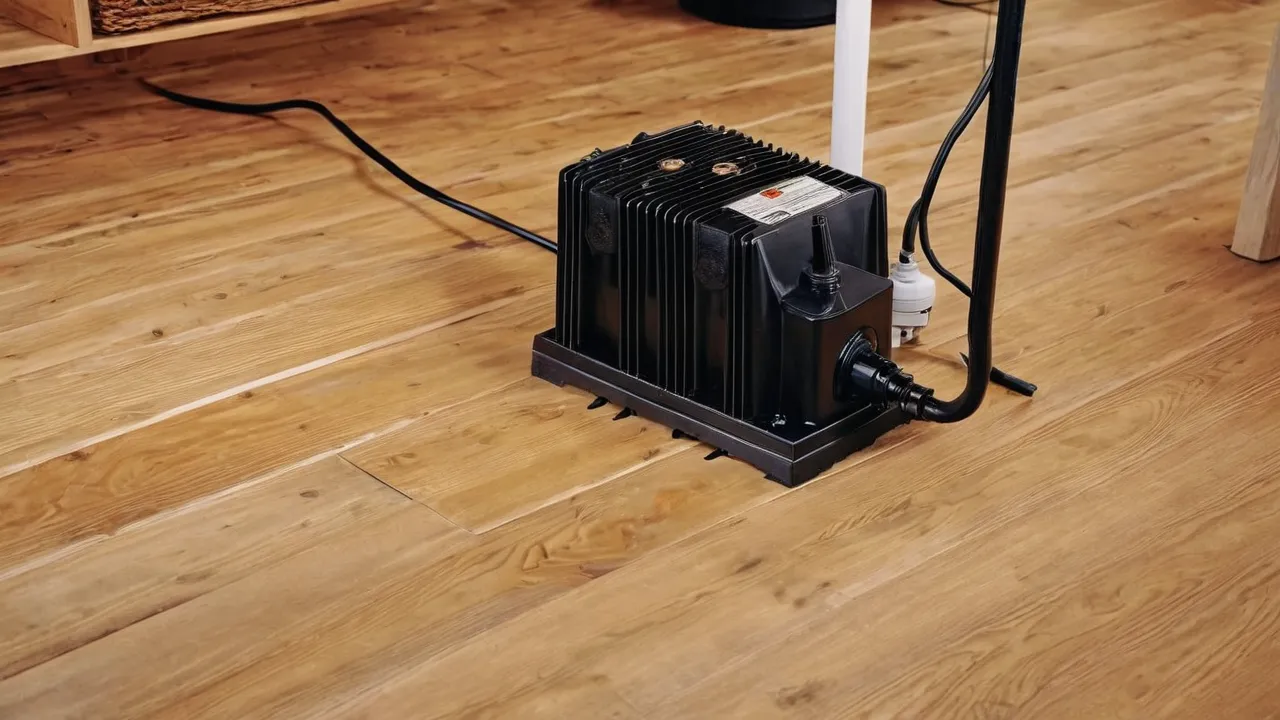
Sump pumps often last about seven to ten years, but the number depends on how often the pump runs, the quality of its parts, the condition of the pit and how well it is maintained. Manufacturers and installers cite different ranges, so check the maker’s guidance for your model. A pump that runs a few times a year can outlast a pump that runs almost constantly in a wet basement.
What decides how long a pump lasts
The motor, switch, seals, impeller and housing all age. Run time is the biggest factor: every cycle adds wear, and a pump on a high water table can cycle thousands of times a year. Debris, silt and gravel in the pit wear the impeller and can jam the float. Heat is another factor, since a motor that runs long without cooling water around it ages faster. Power quality matters too, because low voltage from a long or thin cord forces the motor to work harder.
Installation quality counts. A pump set on a stable base, with a clean pit, a working check valve and a discharge line that drains freely, works less hard than one set on mud with a restricted line. Many early failures trace back to the pit and the piping, not the pump.
Cast iron versus thermoplastic
Cast iron housings shed heat well and often run quietly. Thermoplastic housings are light and resist rust. Neither guarantees a long life, because the motor, seals and switch decide it. Cast iron is a sound choice where the pump runs often, and thermoplastic suits occasional use or corrosive water. Compare warranty terms and parts availability for either type. Our sump pumps category has related guides.
Warning signs of a failing pump
- The pump runs more often or for longer than before.
- It makes grinding, rattling or humming sounds, or hums without pumping.
- It vibrates more than usual or shakes the discharge pipe.
- It cycles on and off rapidly, or stays on without lowering the water.
- Rust, corrosion, cracks or a worn cord are visible.
- The pit has standing water that the pump does not clear, or the float sticks.
- The breaker trips when the pump starts.
Any of these deserves attention. If water is rising, address it first, and use a licensed professional for flooding or wiring issues. A pump that shows warning signs should be repaired or replaced before the next heavy rain.
Pumps that rarely run
A pump that sits idle for months can seize or develop a stuck float. The motor shaft can stick, seals dry and the switch gathers corrosion. Do not assume a pump that is rarely used is a pump that is fine. Run it deliberately every few months by pouring water into the pit and watching it start, discharge and shut off.
A float switch check routine
Do this each season, with care. Unplug the pump or switch off the circuit if you need to handle anything, and keep electrical parts dry.
- Look into the pit with a light and clear visible debris.
- Pour in water until the float rises and the pump starts, then watch the discharge and confirm that the pump shuts off as the water drops.
- Make sure the float moves freely and does not rub the pit wall or the pipe.
- Check that the check valve closes and does not chatter or let water drain back.
- Listen for odd noise, and look at the cord and plug for damage.
- Confirm that the backup pump and alarm, if you have them, engage on their own.
Pit care
A clean pit protects the pump. Remove silt, gravel and debris with the power off, and keep the lid in place so objects cannot fall in. Make sure the pump sits on a flat base or bricks that keep it above the silt, and that the intake screen is clear. Check that the discharge line slopes away, is not frozen or kinked, and outlets far enough from the foundation. Add a high-water alarm so you hear about a problem before the pit overflows.
Keeping a simple log
Write the install date and model on the pump or the wall, and note each inspection, repair and storm. A log tells you the pump’s age at a glance and shows patterns, such as more frequent cycling over time. It also helps with warranty claims and with a plumber’s diagnosis. Take a photo of the nameplate so you can order a match.
Planning for replacement
Replace the pump before it fails if it is near the upper end of the usual range, runs hard or has needed repairs. Keep the model number and discharge size handy so you can buy a replacement fast. A planned swap on a dry day costs less and is less stressful than an emergency in a storm. Consider adding a backup pump and a battery or other power source at the same time. Check the maker’s advice, since lifespans vary, and read how we review for how we treat durability claims. For broader tools, see the tools and garage section.
Safety
Unplug the pump or switch off the circuit before touching it, never stand in water near electrical connections, and follow the manual. Use a licensed electrician for wiring and a qualified professional for flooding situations.
Matching pump life to your situation
- High water table, running often: expect the shorter end of the range, favor a robust pump with a replaceable switch, and add a backup.
- Moderate groundwater, a few cycles a day in wet months: the middle of the range is realistic with yearly checks.
- Rarely runs: age and a stuck float are the main risks, so check it by pouring water into the pit each season.
- Finished basement: replace on the early side and add a backup and alarm, since the cost of failure is higher.
Typical failure points and what they mean
The float switch is the most common failure point. It can stick against the pit wall, tangle with the cord or wear out. A stuck float either keeps the pump from starting or keeps it running dry. The check valve is another weak point, and a failed valve lets water fall back into the pit so the pump cycles more than it should. The impeller wears from silt and can jam on debris. Seals can leak and let water into the motor. A burnt motor often follows long overheating or running dry. Some of these can be repaired, such as replacing a float or check valve, and others mean replacing the pump. Ask the maker which parts are serviceable.
Questions to ask when you buy a replacement
Ask about the motor type and thermal protection, the switch design and whether a vertical float or a switch with a wide range is offered, and how the discharge fits your pipe. Look for a pump that handles small solids if your pit tends to collect silt. Ask about warranty terms and about replacement parts such as switches and seals. Check the flow rating at the height your water must travel, since a pump rated for a high flow at no lift may deliver far less at your lift. A longer warranty on the motor and an easy-to-reach switch are useful signs.
Seasonal and storm-time habits
Before the wet season, clean the pit, run water through the pump and check the discharge outlet outdoors. Before a major storm, check that the pit lid is on, the alarm has fresh batteries and the backup is charged. During a storm, listen for the pump and look at the water level from time to time if it is safe. After the storm, rinse debris from the pit and note anything unusual in your log. These small routines extend life and give early notice of trouble.
Frequently Asked Questions
How often should a sump pump be replaced?
Many last roughly seven to ten years, but it depends on run time, quality and care. Replace sooner if the pump runs constantly, shows warning signs or has repeated failures. Check the maker’s guidance and plan replacement before the pump fails.
How can I tell if my sump pump is going bad?
Look for louder or odd noises, more frequent or longer running, rapid cycling, vibration, rust, and water that does not clear. Pour water into the pit to confirm that it starts and shuts off. Replace or service it if it hums, sticks or fails.
Do sump pumps wear out faster in wet basements?
Yes, since every cycle adds wear and a pump that runs often ages sooner. A pump on a high water table may need replacement earlier than one that rarely runs. A better-built pump and a backup help.
Should I replace the sump pump before it fails?
If it is near the upper end of the usual range, has needed repairs or protects a finished basement, a planned replacement is wise. A routine seasonal check helps you decide, and a backup system adds safety.
Final Thoughts
A sump pump is a machine that works hard only some of the time, and its life depends on run time, quality, pit condition and care. Check the float and discharge each season, keep the pit clean, log your checks and plan replacement before the pump is old. A backup and an alarm turn a failure from a flood into an inconvenience.
Related buying guides
- How to Size a Sump Pump: Horsepower and Gallons Per Hour
- Pedestal vs Submersible Sump Pump: Which Lasts Longer
- Sump Pump Buying Mistakes That Lead to a Flooded Basement
About the author

The BuyOnceChoice Editorial Team researches durable products worth buying once. Our guides compare published specifications, warranty terms, expert review consensus, and verified owner feedback. We do not conduct our own product trials. See How We Review and our Editorial Policy for our standards.