Do You Need a Backup Sump Pump? Risk Checklist
Flood history, outage risk and what is stored in the basement decide whether a backup sump pump pays off. Use this checklist, then pick a backup type.
 By BuyOnceChoice Editorial Team
Updated November 16, 2026
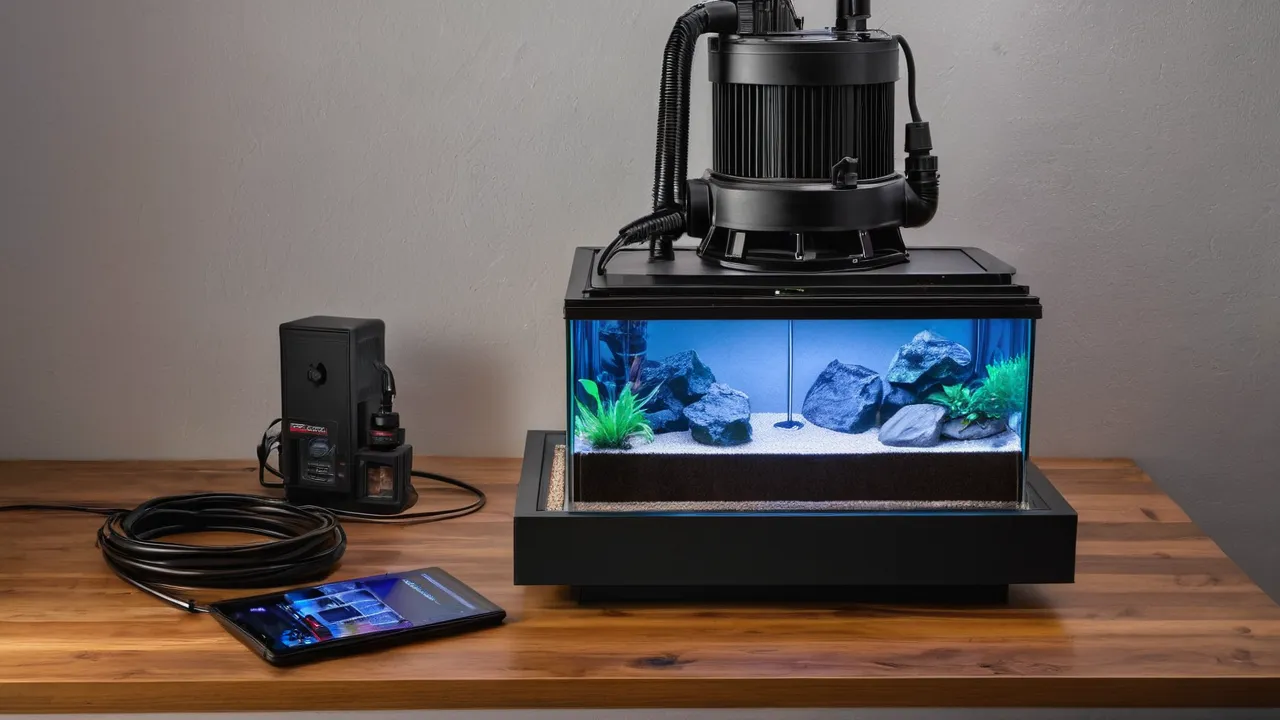
You likely need a backup sump pump if your basement has flooded before, your area loses power during storms, you have a finished or furnished basement, or your main pump is the only thing keeping groundwater out. A backup adds a second chance when the primary pump fails, loses power or is overwhelmed. This checklist helps you decide.
Why a single pump is a single point of failure
A main sump pump can fail for many reasons: a stuck float, a clogged intake, a tripped breaker, a failed motor, a frozen discharge line or a power outage. Each can happen at the worst moment, during heavy rain when the pit fills fastest. A backup pump gives water a second path out of the pit.
Not every home needs one. A basement that never sees water and sits above the water table may be fine with a single pump. The more you stand to lose, the more the backup is worth.
Insurance is part of the picture. Many standard homeowner policies exclude flood damage, and some cover sump pump failure only with an added endorsement. Read your policy or ask your agent what is covered, and keep photos of your basement contents. Cleanup, drywall, flooring and lost belongings often cost far more than a backup pump, which is a financial argument for redundancy.
The decision checklist
- Has your basement ever taken on water, even a little?
- Do storms in your area cause power outages?
- Is the basement finished, carpeted or used to store valuable items?
- Is the main pump more than several years old?
- Does the pump run often during wet seasons?
- Do you travel and leave the house unattended?
- Is flood damage covered by your insurance, and with what limits?
Several yes answers point toward a backup. A single yes, such as a past flood or a finished basement, can be reason enough.
Think about the water table and soil. Homes on clay soil, in low spots or near rivers and lakes see more groundwater pressure, and lots that slope toward the house have more surface runoff. If neighbors have had wet basements, take that as a warning. Your local building department or a plumber can tell you about common issues in your area and whether a backup is standard practice nearby.
Power outage risk
Many floods happen when storms knock out power and a normal pump stops. A backup that runs on its own power is the answer. A battery backup pump uses a deep-cycle battery and a controller to run when household power fails. A water powered backup uses municipal water pressure to drive a pump, and some areas restrict it or require a backflow device, so check local rules. A generator can power the main pump, but it needs someone to start it and keep it fueled.
Battery backups vary in runtime. How long a battery lasts depends on its capacity, the pump’s draw and how often the pump runs. In a long storm a battery may run down, so some owners add a second battery or a charger that keeps up. Check the maker’s runtime figures and treat them as a manufacturer statement. If outages last for days where you live, plan for a generator or a larger battery system.
Types of backup
- Battery backup pump: a battery powers a second pump. It works in an outage and is automatic, but the battery needs maintenance and runtime is limited.
- Water powered backup: municipal water pressure drives the pump. No battery or electricity, but it uses water, may need local approval and needs adequate water pressure.
- Second AC pump: another pump on a higher float. Simple and handles main pump failure, but it does not help in a power outage.
- Generator power: a generator runs the main pump. It can run long, but needs a person and fuel.
Many owners combine them, such as a battery backup plus an alarm. A high-water alarm alerts you before the pit overflows. A second AC pump on its own float is the cheapest redundancy and protects against a failed main pump or one that cannot keep up. Combining it with a battery unit covers both risks.
Sizing and installation
A backup pump should handle the volume your main pump handles, or at least enough to keep the basement dry through the peak. Check the pump’s flow rating at the discharge height of your home. The backup needs its own discharge line or a connection to the main line with a separate check valve. Have a licensed electrician handle wiring, and a plumber help if you are unsure.
Make sure the pit is large enough for two pumps and that floats do not tangle. Place the backup float slightly higher so it activates only when the main pump fails or falls behind.
Pump curves show flow at a given height of lift, the vertical distance the water must travel. A higher lift means lower flow, and a long or uphill discharge pipe lowers capacity further. A backup that is too small fails to keep up in the worst rain, and one that is too large cycles often. Ask the pump maker or a plumber to help match capacity to your home.
Generators and the pump
If you rely on a generator, size it for the pump’s starting watts, which are higher than running watts. Our portable generators coverage explains how to size loads. Plan how you will connect it safely and keep a fuel plan. A generator is good for long outages but needs your presence.
Run generators outdoors only, far from windows and doors, never in a basement or garage, and keep working carbon monoxide alarms in the home. Use a cord of adequate gauge and keep connections dry. A pump in a flooded basement is a shock hazard, so do not wade in water to reach cords or outlets. Shut off power at the panel if water approaches outlets, and call a licensed electrician.
Maintenance and trial runs
A backup is only helpful if it works. Check the battery date and charge, clean the pit, check floats and run water through both pumps on schedule. Replace the battery on the maker’s schedule, and write the dates on the equipment. A backup that has never been run is a hope, not a plan. Our sump pump category has more help.
If you decide to wait, make a plan for the first sign of trouble: know where to shut off power, keep a wet vacuum and buckets, and move valuables off the floor. Conditions change, so recheck your decision after heavy nearby development or an unusual stretch of weather.
Cost versus loss: a simple comparison
Add up what sits in your basement: flooring, drywall, furnace, water heater, laundry machines, stored furniture, tools and keepsakes. Next, estimate what a cleanup would take, including drying equipment, replacement materials and the time you would lose. Compare that total with the cost of a backup pump, a battery or a water powered unit, and an alarm. Even a rough list usually shows that the backup costs a small fraction of a single serious flood. If your list is short because the basement is unfinished and nearly empty, the case for a backup is weaker, though a furnace or electrical panel low on the wall can still be at risk.
What to do if you are unsure
Ask your local plumber, a neighbor with a similar house, or your municipality about flooding history on your street. Look at how often your main pump cycles during a heavy rain, since a pump that runs almost nonstop is near its limit. If you are still unsure, install a high-water alarm first, which costs little and tells you when the pit is rising. Then add a backup before the next wet season if the alarm ever sounds.
Frequently Asked Questions
How do I know if I need a backup sump pump?
Count the risks. A past flood, frequent storm outages, a finished basement or an old main pump each raise the case for one. If your basement never sees water and sits well above the water table, you may be fine with one pump and an alarm.
Can a generator replace a battery backup sump pump?
It can power the main pump during an outage, but someone must start it, fuel it and connect it safely, and the pump must be wired or plugged in through a safe method. A battery backup works automatically. Many owners use both: a battery unit for the first hours and a generator plan for long outages.
How long does a battery backup sump pump last?
It depends on battery capacity, the pump’s draw and inflow. Makers publish runtime estimates under stated conditions. Heavy inflow drains a battery fast, so plan for longer outages with a larger or second battery, and replace the battery on the maker’s schedule.
Does homeowners insurance cover sump pump failure?
Often not by default. Many policies exclude flood damage and need a specific endorsement for water backup or pump failure. Ask your agent what is covered, what the limits are and what you must do to keep coverage, and keep dated photos of basement contents and the pump.
Final Thoughts
Decide using flood history, outage risk, what is in the basement and how old your main pump is. If the answers lean yes, choose a backup that matches your risk: battery for most homes, water powered where allowed, or a generator plan for long outages. Maintain it and add an alarm. The cost of the pump is small next to the cost of a flooded basement. See how we review for how we weigh ownership factors.
Related buying guides
- How Long Do Sump Pumps Last? Signs It Needs Replacing
- How to Size a Sump Pump: Horsepower and Gallons Per Hour
- Pedestal vs Submersible Sump Pump: Which Lasts Longer
About the author

The BuyOnceChoice Editorial Team researches durable products worth buying once. Our guides compare published specifications, warranty terms, expert review consensus, and verified owner feedback. We do not conduct our own product trials. See How We Review and our Editorial Policy for our standards.