Pedestal vs Submersible Sump Pump: Which Lasts Longer
Pit size, noise, service access and cost decide between a pedestal and a submersible sump pump. A buyer's rule set, with who should pick each.
 By BuyOnceChoice Editorial Team
Updated November 16, 2026
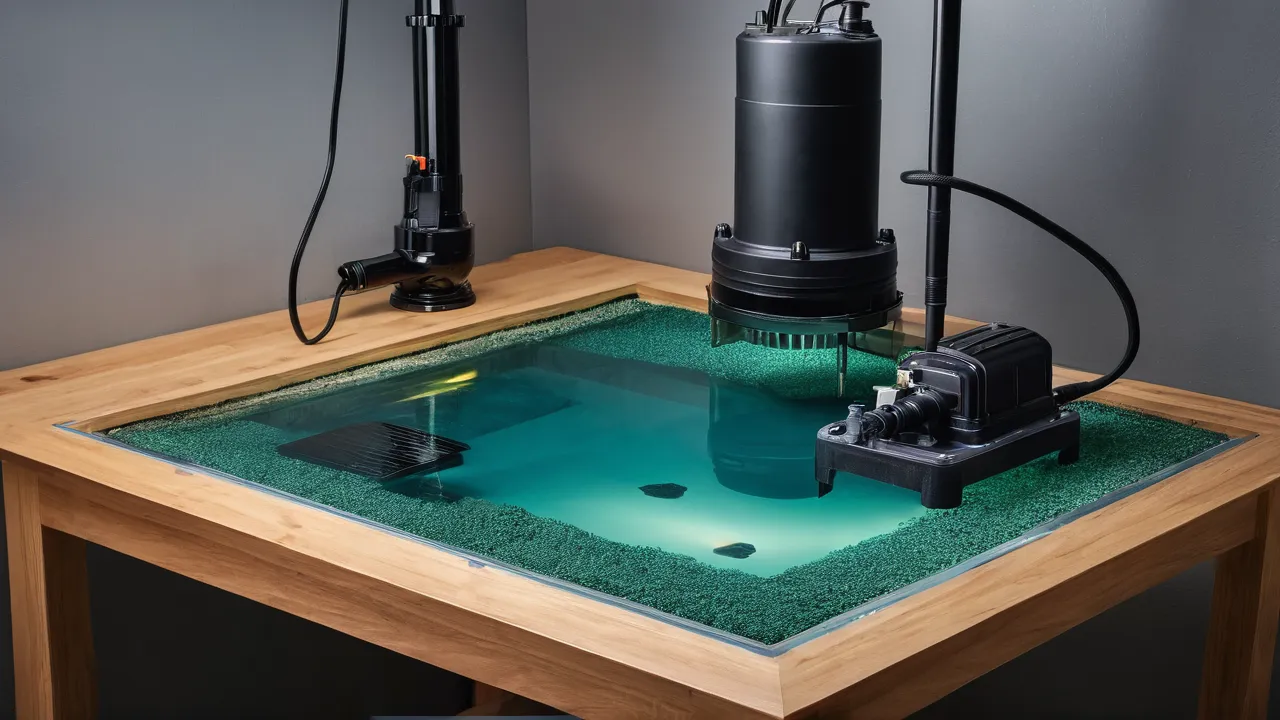
Choose a submersible sump pump if your pit is wide enough, the basement is finished or you want a quiet pump that is out of sight, and choose a pedestal sump pump if your pit is narrow, you want the motor above water for easy service and you do not mind a visible, louder unit. Pedestal pumps are generally credited with the longer life, but published lifespans vary widely, so judge by the maker’s warranty and your own duty.
How each pump is built
A pedestal pump has its motor mounted on top of a column, with the impeller and intake at the bottom, below the water line. The motor stays dry in the open air of the pit and is visible when you lift the cover. A float switch on a rod rises with the water and turns the pump on.
A submersible pump puts the motor and pump in a sealed housing that sits at the bottom of the pit, underwater when running. A float switch, either on a tether or built in, tells it when to start. Because the housing is sealed and surrounded by water, heat from the motor is carried away by the water, and noise is muffled.
Pit size and installation
The pit you have may decide for you. Pedestal pumps have a narrow base and fit in a small-diameter pit, including shallow or narrow crocks. Submersible pumps need more room, since the housing is wider and the float needs space to move freely. Measure the pit diameter and depth, and check the maker’s minimum size. A float that jams against the wall will fail to turn the pump on or off, so give it room.
Depth also matters. Pedestal pumps come in set column lengths. The intake needs to sit low enough to pull down the water level to where you want, and the motor needs to stay above the high water mark. Check the manual for the recommended pit depth.
A quick checklist before you order
- Measure the pit width at the top and the bottom, and the depth from the floor
- Note the discharge pipe size and whether you have a check valve
- Find the outlet and confirm it is protected and within reach of the cord
- Check whether the pit has a lid and how it seals
- Look at the water line in a heavy rain, if you can, to see how high the pump must lift water
- Write these down and compare them with the maker’s specifications before you pick a model
Noise and appearance
A submersible pump runs quieter because the water and the pit muffle the sound. Pedestal pumps are louder, because the motor is in the open air, and in a finished basement the sound may bother you. The pedestal’s visible motor and column also look less tidy. For a utility area or unfinished basement, appearance matters little. In a finished space with a closed pit lid, a submersible keeps things calm.
Which lasts longer: lifespan and heat
Pedestal pumps are often described as lasting longer because the motor is out of the water and does not sit in dirty pit water. That claim is common in contractor advice, but the figures quoted are inconsistent, and manufacturer life data is sparse, so ask for the manufacturer’s data and warranty terms before relying on it. Submersible pumps cool the motor with the surrounding water. They can run longer without overheating, but a failed seal lets water into the motor, which ends the pump’s life.
Run time affects life more than type does. A pump that cycles constantly because of a high water table or a float problem wears quickly in either style. Think about your water table, the rain pattern and how often the pump runs, then choose a model rated for that duty.
A practical repair-or-replace rule: if the float switch is the problem, replace the switch, since it is the usual weak point. If the motor hums but the pump does not move water after the intake is clear, or if a submersible shows water inside the motor or a seal failure, replace the pump. Replacing a pump that is well past the warranty period before a wet season is cheaper than a flooded basement.
Materials and build
Housing material matters. Cast iron is heavy and rugged, and it carries heat away from the motor well. Thermoplastic is lighter, resists corrosion and costs less. Stainless steel resists corrosion. The impeller also matters: it may be thermoplastic or metal, and it handles small solids that wash into the pit differently. Check the maximum solid size the pump can pass, listed in the manual.
Look at the float switch. A tethered float needs room to swing, and a vertical float needs a narrow space. A switch that sticks is the most common reason pumps fail in service. Check whether the switch is replaceable.
Float problems are the common failure
Many pump failures trace to the float rather than the motor. A float that snags on the pit wall, a pit with debris, or a switch that fouls with sediment can leave a pump running dry or never starting. Clean the pit a couple of times a year, confirm the float moves freely and keep the lid on to limit debris. A pump with a replaceable float switch is easier to keep going.
Service, access and cost
A pedestal pump is easy to service, since the motor is visible and above the water. You can check it, clean the intake screen and replace the float without pulling the whole unit from the pit. A submersible pump has to be lifted out of the pit for service or replacement, which is messier. Both need a check valve in the discharge line to stop water from flowing back, and both benefit from a periodic cleaning of the pit and the screen.
If you want a pump that you can inspect without reaching into the water, pedestal has the advantage. If you rarely look at it, the difference disappears.
Pedestal pumps are generally less expensive than submersible models. Submersibles cost more, particularly in higher horsepower. Over time, repair or replacement costs depend on how often the pump runs. Many homeowners keep a second pump as backup in case the first fails or the power goes out. If you want a backup, check battery backup options and the pit size, since two pumps need room.
Who should choose which
- Narrow pit or shallow crock, budget focus, you want to check the pump easily: pedestal
- Finished basement, wide pit, quiet operation: submersible
- Frequent running and a high water table: whichever model is rated for continuous duty and has a quality float
- Unfinished utility space: pedestal is fine
- Wide pit and a belt-and-suspenders plan: a primary submersible and a backup unit
Skip a pedestal pump if noise or appearance matters. Skip a submersible if the pit is too small or you want easy servicing.
See the sump pumps category and the tools and garage section for related coverage. Our how we review page explains how we weigh specifications and ownership factors.
Safety
Unplug the pump or switch off its circuit at the breaker before reaching into the pit or touching the pump. Water and electricity are dangerous together. Follow the manual and local electrical code on outlet protection and circuits, since requirements for ground-fault protection and dedicated circuits depend on the pump and your area. Do not cut the ground pin or use a long extension cord in a damp area. Have a licensed electrician handle any permanent wiring. Keep the pit covered so children and pets cannot fall in. Follow the manual for installation and discharge piping, and call a licensed professional if water is already rising around electrical equipment.
Frequently Asked Questions
Which lasts longer, a pedestal or a submersible sump pump?
Pedestal pumps are usually credited with longer life because the motor stays out of the water, but the quoted ranges conflict and are mostly contractor estimates. Duty matters more than type. Compare warranty terms and whether replacement parts are sold, and choose a model rated for how often your pit fills.
Are pedestal sump pumps louder than submersible ones?
Yes, usually. The pedestal motor runs in open air, so its sound carries, while a submersible runs underwater in the pit and is muffled. A closed pit lid helps either type. If the pump sits near a finished room, the submersible is the quieter choice.
Can a pedestal sump pump go in a small sump pit?
Often yes. Pedestal pumps have a narrow base and fit small or shallow pits where a submersible housing and float might not have room. Measure the pit diameter and depth, then compare with the maker’s minimum pit size and the column length so the intake reaches low enough.
What usually makes a sump pump fail?
Float switch problems are a common cause, such as a float snagging on the pit wall or fouled with debris. Other causes include constant cycling from a high water table, clogged intake screens, a failed check valve and, on submersibles, seal failure. Clean the pit and check that the float moves freely a couple of times a year.
Final Thoughts
Measure the pit, decide how much noise you can accept and think about how you will service the pump. Pedestal is the simple and serviceable choice for narrow pits, and submersible is the quiet choice for wider ones. Check the maker’s data on duty, materials and warranty terms, and keep power and water apart whenever you work near the pit.
Related buying guides
- Sump Pump Buying Mistakes That Lead to a Flooded Basement
- Sump Pump Discharge Line and Check Valve Guide
- Sump Pump Maintenance Checklist: Pit, Float, Check Valve
About the author

The BuyOnceChoice Editorial Team researches durable products worth buying once. Our guides compare published specifications, warranty terms, expert review consensus, and verified owner feedback. We do not conduct our own product trials. See How We Review and our Editorial Policy for our standards.