Cast Iron vs Plastic Sump Pump Housing: Durability
Cast iron sheds heat and runs quieter, thermoplastic resists rust and is light. Learn which housing fits a hard-working pit and which suits an occasional pump.
 By BuyOnceChoice Editorial Team
Updated November 16, 2026
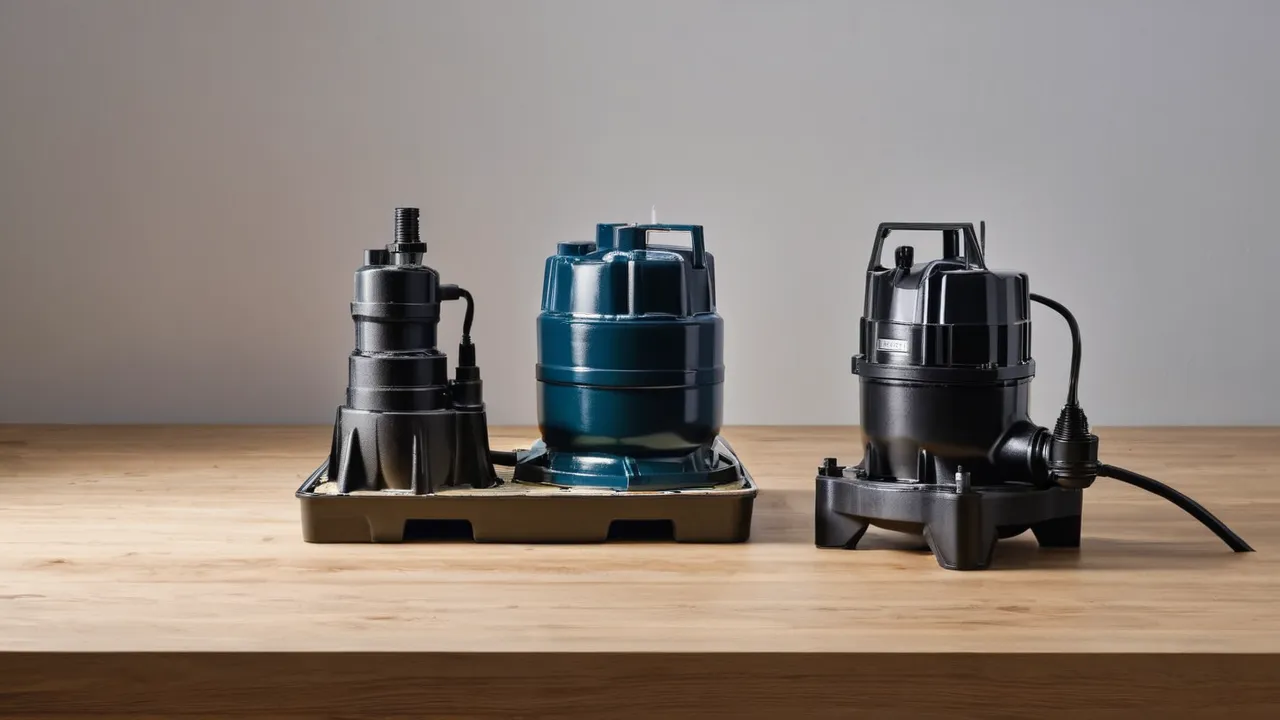
Cast iron vs plastic sump pump is mostly a question of heat, corrosion and handling. A cast iron pump sheds motor heat well, runs quietly and feels sturdy, while a plastic (thermoplastic) pump is lighter, resists rust and usually costs less. For a pump that runs often in a wet basement, cast iron is a strong buy-once choice. For a pump that runs occasionally, a good plastic unit is a sensible and rust-free option.
What the housing does
The housing protects the motor and, in submersible designs, helps carry heat to the surrounding water. A motor that stays cooler lasts longer. The housing material affects heat transfer, weight, corrosion and noise. It is not the only factor, because the motor, seals, impeller and switch decide how long a pump lasts, but it matters.
Think about what else surrounds the pump. A pit with soft mud under the pump invites silt into the intake, which wears the impeller regardless of housing type. A solid base, a clean pit and a screen over the intake protect any pump. Many failures blamed on the housing come from debris, a bad float or a motor that ran dry and overheated, and attention to those factors helps either material.
Heat dissipation
Cast iron conducts heat well, so the pump moves heat from the motor into the water in the pit. That helps during long run times, such as in a wet spring. Plastic conducts heat less well, so some plastic pumps rely on other designs, such as oil-filled motors, to manage heat. Where the pump runs for long periods, cast iron has an edge. Where it runs briefly, the difference shrinks.
Duty cycle is the key. A pump that cycles a few times a day barely warms, and housing material makes little difference. A pump that runs much of the day in a wet season can overheat, and a thermal overload switch shuts it down until it cools. Metal housings give a better chance of finishing a long storm without tripping. If your house sits on a high water table, think about duty cycle first.
Corrosion and water chemistry
Plastic does not rust, which is a benefit in pits with acidic or mineral-rich water. Cast iron can rust if the coating chips, though many cast iron pumps have protective finishes. If your water is corrosive or has iron bacteria, check the maker’s guidance. Stainless fasteners and good seals matter in either type. Clean the pit and inspect the pump on schedule to catch corrosion early.
Cast iron pumps often have an epoxy or similar coating, and chips or scratches expose metal. After service, check the coating and touch up if the maker allows it. Some designs also use aluminum parts, which can corrode in certain water. A plastic pump avoids those concerns, but plastic can become brittle with age and heat, especially in a pit with temperature swings, so look at the maker’s temperature rating.
Weight, handling and noise
Cast iron is heavy, which can make installation harder and helps keep the pump stable in the pit. Heavy pumps are less likely to tip or vibrate. Plastic pumps are light, easier to lift for service and fine in a pit with a solid base. Cast iron tends to run quieter because the mass damps vibration, though noise also depends on the pump design and installation.
- Heat dissipation: cast iron strong, plastic moderate.
- Corrosion: cast iron needs an intact coating, plastic resists it.
- Weight: cast iron heavy, plastic light.
- Noise: cast iron often quieter, plastic can be louder.
- Cost: cast iron often higher, plastic often lower.
- Best for: cast iron for long run times, plastic for occasional use.
Consider who will service the pump. A heavy pump can be awkward to lift out of a deep pit, and a poor grip risks dropping it or straining your back. A rope or lift handle helps. A light pump is easier, but may shift in the pit if the base is not stable. A weighted base or proper platform keeps any pump upright, and a stable pump is a quieter one.
A buy-once view
Check the parts that fail, not only the shell. Look at the motor type, seal design, impeller material, switch quality and the availability of replacement parts. A cast iron body with a weak switch can fail early, and a plastic pump with a solid motor can last for years. Compare warranties, and read what they cover and for how long. Our sump pump category has related guides.
- Look for a thermal overload protector in the motor.
- Check the switch design and whether it can be replaced.
- Look for a stainless steel shaft and good seals.
- Choose a pump with a solid base or feet to keep silt out.
- Confirm that parts and service are available.
- Match the pump to your lift and flow needs.
Warranty language deserves a read. Some warranties cover the motor but not the switch or the seals, and some limit coverage to residential use. Treat any figure on a box as a manufacturer statement. A pump that is repairable, with replacement seals and switches available, is a sound choice whatever the material.
Pedestal versus submersible
Housing material is one decision, and pump type is another. Submersible pumps sit in the pit, run cooler and quieter, and suit most homes. Pedestal pumps keep the motor above the water, are easier to service and may last long in a dry pit, but they are louder and take more room. Heat dissipation by the water favors a submersible with a metal housing.
Think about total system cost, not just the pump. A pump of either material needs a check valve, a discharge line, a backup and maintenance. Spending more on the pump but nothing on a backup is often a poorer choice than a mid-priced pump with a battery backup and an alarm. The housing is one part of a larger system.
Verdict by situation
- High water table, frequent running, finished basement: cast iron, with a backup pump and alarm.
- Occasional use in a basement that rarely floods: plastic, for lower cost and no rust.
- Corrosive or mineral-heavy water: plastic, or cast iron with a well-kept coating and regular checks.
- Tight pit and one person doing service: plastic for weight, with a stable base.
- Noise-sensitive living space above the pit: cast iron, installed on a solid base with a quiet check valve.
Safety and maintenance
Unplug the pump before service, never stand in water near electrical connections, and follow the manual. Clean the pit, check the float and run water through the pump on a regular schedule. Have a licensed electrician handle wiring and any flooding situation. Consider a backup, and see our portable generators coverage for ways to power the pump during an outage. How we review explains how we weigh durability claims.
Inspect the pump when you service it. Look for rust blooms, cracks in plastic, worn cords and a loose base. Rinse the pump and intake screen with clean water, with the power off. Record the date and what you found. A pump that shows age gradually is easier to replace on your schedule than one that fails in the middle of a storm.
A short inspection routine by material
For cast iron, look at the coating around the base, the discharge flange and any bolt heads, where chips start. Wire-brush light surface rust with the power off, and ask the maker what touch-up product is acceptable. For plastic, look for hairline cracks near the discharge, discoloration that suggests heat, and a base that has warped. In both cases, lift the pump slightly if you can and look for silt packed around the intake, run clean water through it and listen for grinding or a rattling impeller. Check that the float moves freely without rubbing the pit wall, and that the cord strain relief is intact. Doing this once each season takes minutes and tells you whether the housing choice is holding up in your particular pit.
Frequently Asked Questions
Is a cast iron sump pump better than a plastic one?
For heavy use, usually yes, because cast iron sheds heat well and runs quietly. For occasional use or corrosive water, a quality plastic pump is a sound choice. Motor, switch and seals matter as much as the housing, so compare the whole pump.
Do plastic sump pumps last as long as cast iron?
They can, if the motor, seals and switch are good and the pump is not run hard for long periods. Plastic avoids rust but may become brittle with age and heat. Compare warranty terms and the availability of repair parts.
Does a cast iron sump pump rust?
It can if the protective coating chips or wears and water reaches bare metal. Many have epoxy finishes. Check the coating at each service and follow the maker’s advice on touch-ups. Corrosive water speeds the problem.
Which sump pump material is quieter?
Cast iron is often quieter because its mass damps vibration, though noise also depends on the pump design, the base and the check valve. A stable pump on a solid base is quieter in either material.
Final Thoughts
Choose cast iron for a hard-working pump in a busy pit, where heat and noise matter, and plastic for an occasional pump, a corrosive pit or easy handling. Look at the motor, switch and seals as much as the housing, and keep the pump clean and backed up. When you shop, read the parts diagram and ask whether the maker sells replacement switches and seals, because those details predict long-term ownership better than the housing alone.
Related buying guides
- Do You Need a Backup Sump Pump? Risk Checklist
- How Long Do Sump Pumps Last? Signs It Needs Replacing
- How to Size a Sump Pump: Horsepower and Gallons Per Hour
About the author

The BuyOnceChoice Editorial Team researches durable products worth buying once. Our guides compare published specifications, warranty terms, expert review consensus, and verified owner feedback. We do not conduct our own product trials. See How We Review and our Editorial Policy for our standards.