Leather Bag Color Combinations: Hardware and Outfits
Some leather colors hide scratches and some show every mark. See which bag colors and pairings age well, and how hardware and outfits change the look.
 By BuyOnceChoice Editorial Team
Updated November 16, 2026
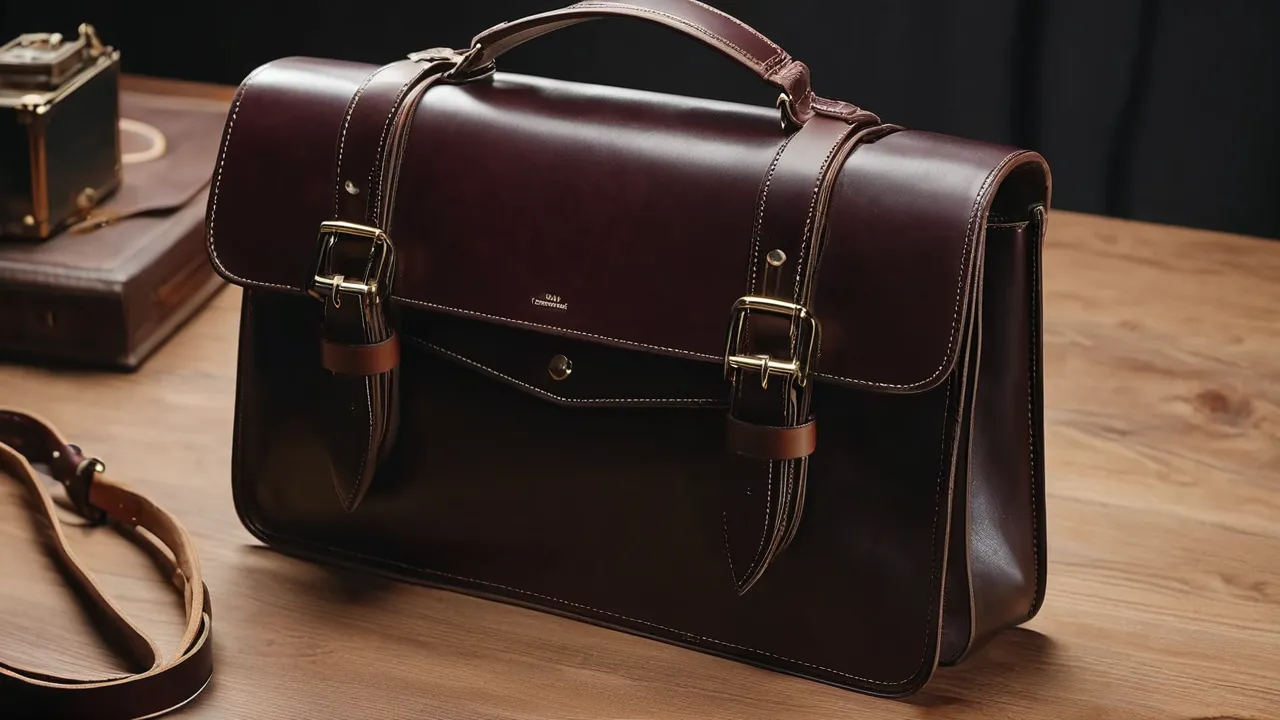
For leather bag color combinations that last, dark brown, black, tan and deep olive tend to age well and hide wear, while very light colors, white and pale pastels show dirt, dye transfer and scuffs fastest. Choose a color that matches the clothes you wear most, pick hardware and lining that suit it, and favor leather that develops a patina, since the aging of the leather is part of how the bag looks.
How color affects wear
Leather shows wear differently depending on color and finish. Dark leather hides dirt, scuffs and water spots, but it can show dust and light scratches. Light leather shows dirt and dye transfer, but it can look warm as it ages. Smooth finished leather shows scratches, and pebbled or textured leather hides them.
Vegetable tanned leather darkens with sun and handling, so a light tan bag becomes honey and then brown over time. That change is a feature for many owners. Chrome tanned leather in a stable dye changes less. Our vegetable versus chrome tanned guide explains the difference.
Colors that hide wear and age well
Black
Black is the safest color. It hides scuffs, matches almost everything and suits work and evening. Over time it can fade slightly at the edges, but it stays neutral.
Dark brown
Dark brown is forgiving and warm. It hides marks, pairs with blue, gray and earth tones and gains depth with age.
Tan and cognac
Tan and cognac bags darken and warm with use, especially in vegetable tanned leather. They show marks early, but marks blend into the patina. They suit casual and smart casual outfits.
Olive, forest green and burgundy
Deep olive, forest green and burgundy hide wear and add color. They pair well with neutrals and denim, and they look distinctive as they age.
Colors that show wear
White, cream, pale gray, light pink and bright colors show dirt, dye transfer from denim and scuffs. They require more cleaning and can be harder to restore. If you love a light bag, treat it with care, keep it away from dark denim and clean it promptly.
Pairing the bag with your wardrobe
| Wardrobe | Bag colors that work | Notes |
|---|---|---|
| Black and gray work clothes | Black, dark brown | Neutral, hides wear |
| Navy and blue | Brown, tan, black | Brown warms navy |
| Earth tones | Brown, tan, olive | Tone on tone |
| Denim heavy | Brown, tan, black | Watch dye transfer on light bags |
| Bright colors | Black, tan | Let the outfit stand out |
Think about what you wear most, and choose a bag that works with it. A bag that matches only one outfit will stay in the closet.
Matching bags with shoes and belts
Matching does not need to be exact, but the leathers should look related. A brown bag works with brown shoes and a brown belt in a similar tone, and a black bag works with black shoes and belt. Mixing black and brown can look careless unless the contrast is deliberate and the rest of the outfit is simple. Tan bags pair with brown shoes, and they also work with white sneakers. If your boots are dark brown, a dark brown or black bag keeps the outfit coherent.
Seasonal and occasion choices
Lighter colors feel natural in spring and summer, and darker colors feel at home in fall and winter, but the rule is flexible. For work, black, dark brown and deep olive look serious and hide wear. For travel, dark colors hide dirt and scuffs from handling. For evening, black or a rich dark tone looks polished. For weekends, tan and cognac look relaxed and warm. If you own only one bag, a dark brown or black bag in a simple shape covers almost every occasion.
A step by step way to choose
Start with your closet. Count the shoes and belts you wear most and note their leather colors. If most are brown, a brown or tan bag will connect them. If most are black, choose black. If you have both, dark brown is the bridge, because it sits between the two and tolerates either.
Next, decide how much visible aging you welcome. If you like the idea of a bag that changes, choose vegetable tanned tan or cognac and accept early marks. If you want the bag to look the same for years, choose black or dark chrome tanned leather with a protective finish. Then check your environment. Rain, dusty sites and crowded transit favor dark, textured leather. Offices and car commutes allow lighter shades.
Finally, ask about the dye. Aniline dyes keep the natural grain visible and show scars, while heavier finishes mask them. Neither is wrong, but you should know what you are buying. Look at the bag in daylight, and if possible hold it next to your usual outfit. A color that looks right under store lights can read differently outdoors.
Resale and gifting follow the same logic. Neutral shades are easier to give, to match and to keep for years, and a bold color works best as a second bag.
Between two colors that tie, choose the one that makes the rest of your closet work harder, since a bag that coordinates with several outfits will be carried more often and age more evenly.
Hardware, stitching and lining
Hardware color matters. Brass or gold tone suits tan and brown, and silver tone suits black and gray. Hardware that tarnishes changes the look. Matte or antique finishes hide wear. Contrast stitching adds character, and tone on tone stitching is quieter.
The inside of a bag gets as much wear as the outside. A dark lining hides ink, makeup and dirt, and a light lining shows them. Some bags use leather linings, which wear well and develop patina, and others use fabric, which can stain. If you carry items that leak or mark, choose a dark lining and use a pouch.
Make sure hardware is solid, with no flaking plating. Our clothing and footwear section has related guides.
Shape, size and visible wear
Wear shows in different places depending on the shape. Structured bags show corner wear and edge scuffs. Soft bags show creases and handle darkening. Bags with many pockets show wear at the pocket openings. A bag that is overstuffed stretches and shows stress lines faster than one that carries a modest load. Pebbled or grained leather hides scratches better than smooth leather, and a matte finish hides fingerprints better than a glossy one.
Aging, dye transfer and care for color
- Keep bags out of direct sun, which fades dye and dries leather.
- Rotate bags so the same area does not wear all the time.
- Condition lightly to keep color even, and use a hidden spot check first.
- Avoid contact with dark clothing on light bags.
- Store with a dust bag, stuffed to keep shape.
- Wipe off water and stains promptly.
Color changes unevenly if you over handle one area. Use both hands, and avoid putting the bag in places that rub the same patch.
Dye transfer occurs when color moves from clothes to light leather, or from dark leather to light clothes. New dark denim is a frequent culprit. To prevent it, wash dark denim before wearing it with a light bag, or choose a darker bag. Wipe off transfer promptly with a damp cloth. For stubborn marks, ask a leather professional, and do not scrub, which can strip the finish.
Decision rules
- One bag for everything: dark brown or black.
- A bag that warms and ages: vegetable tanned tan or cognac.
- Wet climate: dark, protected leather.
- Light colored wardrobe: tan, olive or a light neutral with care.
- Colorful outfits: black or tan as a neutral.
- Long term value: pick quality leather and sound stitching, whatever the color.
If you are choosing between two shades, imagine the bag after a year of use. Light colors darken, dark colors lose their sheen at the edges, and both settle into a look shaped by how you carry the bag. See how we review for how we weigh color and durability claims.
Frequently Asked Questions
What color leather bag goes with everything?
Black and dark brown are the safest choices. They hide scuffs, match most wardrobes and suit work and evening. Tan also works with many casual outfits, though it shows marks earlier. Choose a color close to the shoes and belt you wear most.
Which leather bag colors hide wear best?
Black, dark brown, deep olive and burgundy hide scuffs and water spots well, and pebbled or matte finishes hide scratches better than glossy smooth leather. Light colors show dirt, dye transfer and scuffs fastest and need more care. Wipe spills promptly on any shade.
Does tan leather get darker over time?
Vegetable tanned tan leather usually darkens with sun, handling and oils, moving toward honey and brown. Chrome tanned leather changes less. If you want a bag that warms with age, ask the seller about the tanning method. Keep it out of strong sun if you want even color.
Can I mix black and brown leather accessories?
You can, if the contrast looks deliberate and the rest of the outfit is simple. Otherwise, keep the bag, belt and shoes in the same color family. When in doubt, match the bag to your shoes. Hardware color should also look related.
Final Thoughts
Choose dark, warm or deep colors for bags that age well and hide wear, match hardware and lining to the leather and the clothes you wear most, and care for the color. A bag you use often and look after becomes better with time, whatever shade it starts as.
Related buying guides
- Leather Conditioner vs Oil vs Wax: What Each Does
- Vegetable Tanned vs Chrome Tanned Leather Explained
- Bifold vs Trifold vs Slim Wallets: Capacity and Wear
About the author

The BuyOnceChoice Editorial Team researches durable products worth buying once. Our guides compare published specifications, warranty terms, expert review consensus, and verified owner feedback. We do not conduct our own product trials. See How We Review and our Editorial Policy for our standards.