Vegetable Tanned vs Chrome Tanned Leather Explained
Tanning decides how leather ages, handles water and feels in the hand. Compare vegetable and chrome tannage on patina, stiffness, care and use.
 By BuyOnceChoice Editorial Team
Updated November 16, 2026
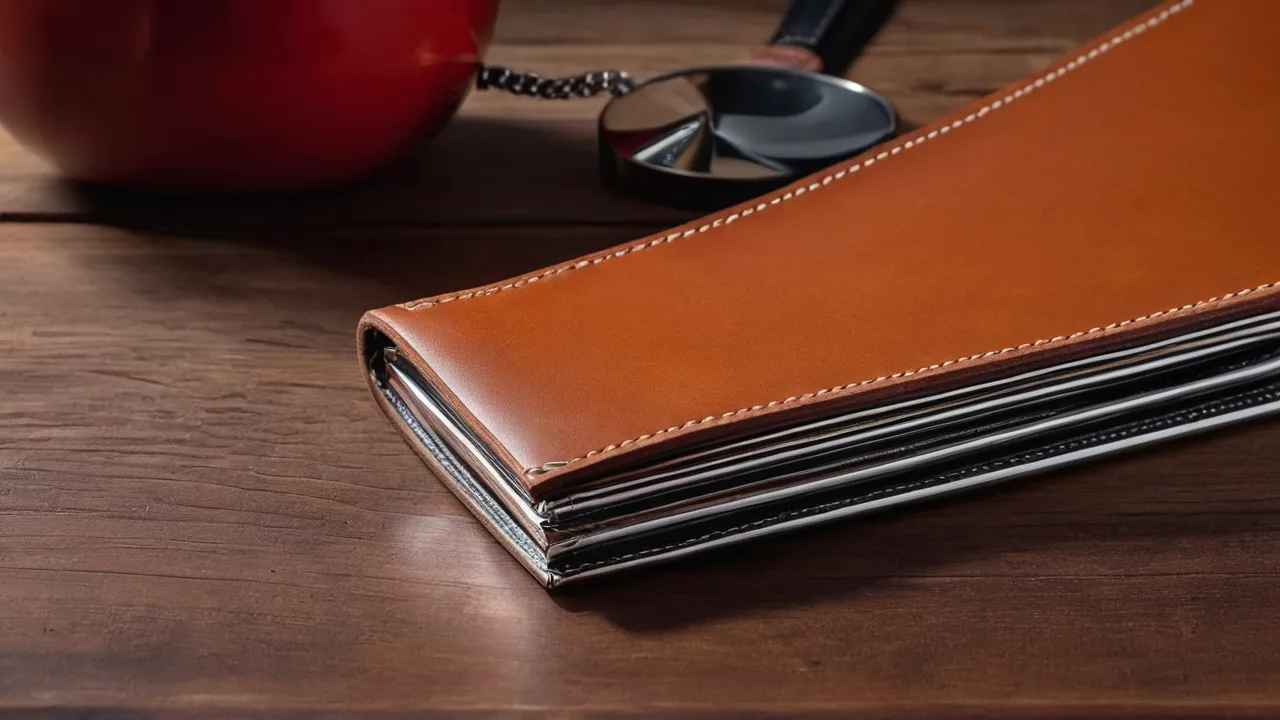
Vegetable tanned vs chrome tanned leather is a choice between character and convenience. Vegetable tanned leather is firmer, develops a rich patina and takes carving and edge finishing well, but it marks easily with water. Chrome tanned leather is softer, more water tolerant, more uniform and needs less break-in, but it ages with less character. Choose vegetable tanned for items you want to age and keep, and chrome tanned for flexible, low maintenance goods and wet use.
What tanning does
Tanning turns raw hide into leather by stabilizing the collagen fibers so they do not rot. The method changes the feel, color and behavior of the finished material. The two main methods are vegetable tanning, which uses tannins from plant sources such as bark, and chrome tanning, which uses chromium salts.
Vegetable tanning is the older process and takes longer. Chrome tanning is faster and more common in mass production. Most leather goods you see are chrome tanned, and many premium goods are vegetable tanned. Combination tanning also exists, which blends the two for a specific feel.
How each feels and ages
Vegetable tanned leather is firm and full, with a natural color that darkens in sunlight and with handling. The darkening, known as patina, is part of its appeal. New pieces can feel stiff and need break-in, and the surface shows scratches, which many owners treat as character.
Chrome tanned leather is softer and more flexible from the start, with even color that tends to stay put. It does not develop the same deep patina, and wear shows as scuffing or fading rather than a darkening glow. It is the usual choice for soft bags, jackets and many work boots.
Water, stains and stiffness
| Property | Vegetable tanned | Chrome tanned |
|---|---|---|
| Feel | Firm, dense | Soft, flexible |
| Patina | Develops strongly | Develops little |
| Water | Spots and stains easily | More tolerant |
| Break in | Longer | Shorter |
| Heat resistance | Lower | Higher |
| Tooling and carving | Excellent | Limited |
Water is the main difference in daily life. A drop of water on vegetable tanned leather can leave a mark and, when soaked, it may stiffen as it dries. Chrome tanned leather tolerates moisture better and is less prone to spotting. Neither is waterproof without a finish. Our leather conditioner versus oil versus wax guide explains protective finishes.
Care for each type
Vegetable tanned leather benefits from light conditioning and protection from water and heat. Keep it away from heaters, and clean spills promptly. It will darken, so apply products evenly. Over conditioning softens it too much and darkens it unevenly.
Chrome tanned leather needs less conditioning, and mild cleaners are usually enough. Keep it out of high heat, which can harden it. Check the maker’s care guide, since finishes and dyes vary.
How tannage affects lifespan
Neither type lasts longer by default. A thick, well made vegetable tanned strap can outlive a thin chrome tanned one, and a well finished chrome tanned bag can outlast a poorly cared for vegetable tanned one. What matters is hide quality, thickness, stitching and care. Vegetable tanned leather tends to be repairable, and its patina can hide scratches. Chrome tanned leather tends to resist water and heat better, so it fails less from accidents. If you tend to forget care, a more forgiving leather may last longer.
Best uses
- Wallets, belts and structured bags: vegetable tanned for shape and patina.
- Soft slouchy bags and jackets: chrome tanned.
- Work boots: both are used. Chrome tanned leather resists water and softens quickly, and heavy vegetable tanned leather is firm, supportive and repairable. See our work boots guides.
- Wet climates and rain: chrome tanned, or a protected vegetable tanned item.
- Items you want to age: vegetable tanned.
- Low maintenance items: chrome tanned.
Tanning is only one factor. Hide quality, thickness, finish and construction matter as much. Look for the grade of leather and ask the seller about the tannage if it is not stated.
A simple way to choose
Start with how the item will be used. A wallet carried in a pocket every day benefits from firm, repairable leather that molds to your shape and darkens with handling. A tote that rides in the rain, or a pair of boots used in wet conditions, benefits from a more water tolerant leather. If you want the item to look the same for years, chrome tanned leather in a dark color is more forgiving. If you want it to change and record its history, choose vegetable tanned leather and accept the marks. People who enjoy caring for leather often love the vegetable tanned kind, while people who want to forget about it often prefer chrome tanned. The mistake is choosing one while expecting the behavior of the other.
Worked examples
A commuter buys a bifold wallet and a belt. Both sit against the body, bend daily and get handled constantly. Vegetable tanned leather suits them, since it molds to use, darkens with handling and can be repaired. The owner accepts early scratches and avoids soaking.
A cyclist buys a messenger bag for rainy commutes. Chrome tanned leather in a protected finish handles moisture better, stays flexible when folded and needs less care, so it fits an owner who will not condition it regularly.
A tradesperson buys work boots for muddy sites. Chrome tanned uppers soften fast and tolerate water, while heavy vegetable tanned uppers are firm and supportive but need break-in and conditioning. The better choice depends on whether the owner wants a boot that is comfortable quickly or one that can be maintained for years.
A collector buys a leather notebook cover and wants it to record years of use. Vegetable tanned leather in a light natural color will change dramatically, and that change is the point.
When two options tie, choose by care habits. If you will clean and condition, either works. If you will not, choose the more forgiving chrome tanned option.
How to tell which you have
Labels may not say. Vegetable tanned leather often has a natural, earthy smell, a more matte surface and edges that look uniform and burnished. A cut edge may show a uniform tan color. Chrome tanned leather often has a blue gray core at the cut edge, though dyes can hide it, and it feels softer. If you cannot tell, ask the maker, and treat it cautiously. See the clothing and footwear section and how we review for how we treat material claims.
Other tannages you may see
Some leather is tanned with a mix of methods. Combination tanned leather starts with one process and finishes with another to get a particular feel. Brain tanned and oil tanned leathers are softer, use fats or oils and are common in specialty goods. Some suede is oil tanned. Aldehyde tanning produces a metal free leather often used in some boots and baby products. These are less common, but they explain why two leathers labeled the same can feel different. When in doubt, ask the seller about the process, and rely on the care instructions.
Cost, claims and questions to ask
Vegetable tanned leather often costs more because of the longer process and the skill needed. It is common in artisan goods, wallets, belts and saddles. Chrome tanned leather is cheaper and common in mass market bags, shoes and furniture. Price alone does not tell you tannage or quality, so read descriptions carefully.
Claims about environmental impact vary and are often debated. Vegetable tanning uses plant tannins and takes longer. Chrome tanning uses chromium salts and requires careful waste handling. Both have impacts that depend on how the tannery operates. If this matters to you, look for tannery information from the maker, and treat sweeping claims with caution.
- What is the tannage, and is it stated clearly?
- What grade is the leather, such as full grain?
- How is the leather finished, and is it protected against water?
- What care instructions does the maker give?
- Can the item be repaired or refinished?
These answers tell you more than the word leather ever will. For a buy once approach, value is in the whole item: hide, construction, stitching and repair options.
Frequently Asked Questions
Which is better, vegetable tanned or chrome tanned leather?
Neither is better for everything. Vegetable tanned leather ages with a rich patina and suits wallets, belts and structured goods you plan to keep. Chrome tanned leather is softer and more water tolerant, and suits flexible bags, jackets and wet use.
Does vegetable tanned leather stain easily?
Yes, with water and oils. A drop of water can leave a mark, and soaking can stiffen the leather as it dries. A protective finish helps, and many owners accept marks as part of the patina. Blot spills promptly, and keep the item away from rain when you can.
How can I tell if leather is chrome tanned?
Look at a cut edge: chrome tanned leather often shows a blue gray core, though dyes can hide it. It also tends to feel softer and more uniform. If the listing does not say, ask the maker, since dyes and finishes can hide the clues.
Which tanning is better for work boots?
Both are used. Chrome tanned leather resists water and softens quickly, while heavy vegetable tanned leather is firm, supportive and repairable. Construction, leather grade and care matter as much as tannage, and your site rules may specify requirements for protective boots.
Final Thoughts
Choose vegetable tanned leather for firm, repairable goods that age with character, and chrome tanned leather for soft, flexible, low maintenance and wet use goods. Match the care to the tannage, and keep both away from heat. Knowing the tannage helps you buy leather that fits how you live.
Related buying guides
- Bifold vs Trifold vs Slim Wallets: Capacity and Wear
- Boots to Wear With a Leather Jacket: Matching Guide
- Full Grain vs Genuine Leather Wallets: What to Check
About the author

The BuyOnceChoice Editorial Team researches durable products worth buying once. Our guides compare published specifications, warranty terms, expert review consensus, and verified owner feedback. We do not conduct our own product trials. See How We Review and our Editorial Policy for our standards.