Full Grain vs Genuine Leather Wallets: What to Check
Genuine leather is a grade label, not a promise of quality. See how to check grain, edges and stitching on a wallet, and who should skip bonded leather.
 By BuyOnceChoice Editorial Team
Updated November 16, 2026
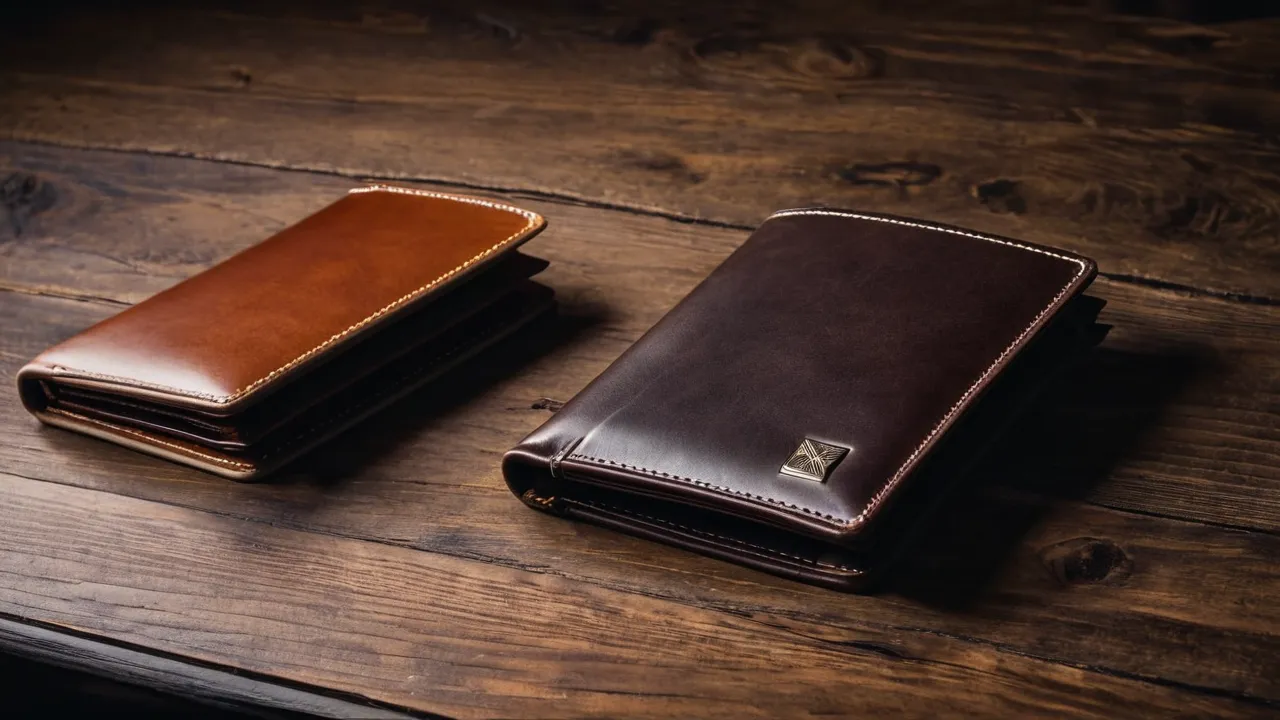
A full grain leather wallet vs genuine leather comes down to which part of the hide is used. Full grain is the strongest outer layer with its natural surface intact. Genuine leather is a label for real leather that is usually a lower grade, often a split layer with a coated finish. Full grain tends to wear in and age well, while genuine leather tends to look uniform at first and wear less gracefully. You can check the difference by looking at the grain, the edges and the stitching.
What the labels mean
Leather labels sound like a ladder, but the ladder is uneven. Full grain sits at the top of the common grades because the outer layer of the hide is kept and not sanded away. Top grain is the next step, where the surface is sanded and finished. Genuine leather means the product contains real leather, but the wording does not say which layer, how thick or how finished. Bonded leather is not hide leather in the usual sense: it is made from scraps and fibers bound together and coated.
Because “genuine” sounds like a quality term, many shoppers read it as a good sign. It is better to read it as a minimum: real leather, no promise beyond that. If a seller leads with genuine leather and says nothing about grain, ask what grade it is. Label rules are applied unevenly, so a clear written answer from the seller is worth more than a stamp.
How a wallet ages by grade
A wallet lives in a pocket, bending, rubbing and absorbing oils from your hands and clothing. That makes aging a real concern.
Full grain wallets usually soften, darken and develop a patina where they are handled most. Scratches can blend into the surface. A well made one can look better after a few years than on day one.
Genuine leather wallets with a heavy finish may look smooth initially, but the finish can crack or peel at bend points, especially along the fold. Once the finish fails, the layer beneath looks dull or fuzzy, and it does not recover.
Bonded leather tends to peel and flake as the coating separates from the backing, often within a relatively short period of daily use. It is not a good choice for something carried every day.
How to check grain, edges and stitching
You can inspect a wallet in a store or from clear photos and a description.
Grain
Look at the surface. Natural grain has small irregular pores and slight variations, with a pattern that does not repeat exactly. A perfectly even, repeating texture suggests an embossed pattern pressed onto a sanded surface. Light scars or marks are a sign of an unsanded hide, not a defect.
Edges
The edge tells you a lot. Good wallets often have smooth, burnished or painted edges that are even and firm. Edge paint that is thick, cracked or peeling is a weak spot. Raw, fuzzy edges can show a lower grade. On a wallet with two layers glued together, check that the layers line up cleanly and the edge finish is consistent.
Stitching
Look for straight, even stitches, tight thread and backstitching at stress points such as card slot corners and the bifold edge. Loose threads, uneven spacing and glue visible at the edges indicate corners cut. Stitching holds the wallet together, so leather grade matters less if the thread fails first.
Thickness and weight
A real hide wallet feels dense and supple rather than thin and stiff. Thin material may be split leather or a lining. If the wallet feels like plastic when bent, that points to a heavy coating.
A five minute inspection routine
When you can handle the wallet, follow the same order every time so you do not miss anything. First, smell it: real leather has a distinct, slightly earthy scent, while a strong chemical or plastic smell suggests a heavy coating or a synthetic. Second, flex it: fold the wallet gently and watch the fold line. Fine wrinkles that relax are a good sign, while white cracks or a sharp, plastic crease are not. Third, press your thumbnail lightly into a hidden spot. Natural leather shows a faint mark that fades, while a thick coating resists. Fourth, run a card in and out of each slot to see how the leather grips and whether the slot edges feel rough. Fifth, check the interior for glued seams, bunched lining and loose threads.
When you shop online, you cannot do these checks, so read the description for specifics. Good listings state the grade, the tanning method if known, the thread type and the dimensions. Photos should show edges and the interior, not only a styled shot. Reviews that mention the same weak points, such as peeling edges after months, are worth more than a star count. If the listing offers none of this information, treat that as a signal, and keep the return window in mind.
What else matters besides leather grade
The grade is one factor. A good full grain wallet can still fail if the design is poor. Check these as well:
- Lining: leather or fabric lining that is stitched, not just glued.
- Card slots: snug but not stiff, with enough give to hold cards without stretching out.
- Fold design: a thick fold in a bifold adds bulk, and slim designs trade capacity for comfort.
- RFID claims: some wallets advertise RFID blocking, but the benefit depends on your cards and risk, and leather itself does not do it. Treat the claim as a feature to verify, not a reason to pay more.
- Hardware: for wallets with snaps or zippers, check that they feel smooth and sturdy.
For a wider look at how we judge leather products, see our leather goods category.
Care and cost
Full grain wallets need little care. Avoid soaking, wipe with a dry or slightly damp cloth, keep them away from heat, and use a light conditioner if the leather feels dry, following the maker’s guidance. Do not overstuff, since stretched slots and cracked folds are common ways wallets fail.
Price follows grade, although not always honestly. Full grain tends to cost more than genuine leather. A low price with a “genuine leather” label is not necessarily a bad deal if you want a cheap wallet to replace soon. A high price with the same label is a warning. Spread the cost over years of use: a wallet that lasts many years costs less per year than a cheap one replaced often. Our buying guides cover the cost per year method.
Worked example: two listings
Suppose you are choosing between two bifolds that look similar in photos. Listing one says “genuine leather”, shows only a styled front shot, and gives no thickness or thread details. Listing two says “full grain, vegetable tanned”, shows close photos of the edges and the interior, names the thread and gives the closed thickness. Even before price, listing two has told you more, and each detail is something you can verify when the wallet arrives.
When the wallet arrives, run the inspection routine above and compare it with the listing. If the edges are fuzzy, the surface looks embossed, or the fold creases sharply, you have grounds to return it, especially if the listing claimed full grain. If the wallet matches, wear it with a modest load for the first weeks and watch the fold and the card slots. Early peeling or slot stretch points to a coating or thin leather that will not improve.
If the price difference is small, pay for the clearer listing. If the difference is large, ask what the extra money buys: thicker leather, better stitching, a better finish, or only a brand name.
Who should choose which and who should skip
Choose full grain if you carry the wallet daily, want it to age, and plan to keep it for years. Choose genuine leather only if the price is low, you accept a shorter life, and the description is clear about what it is. Skip bonded leather for anything you rely on. Skip vague listings that offer no information on grain, thickness or stitching. If you are unsure, ask the seller to confirm the grade in writing. For how we approach claims like these, see our review approach.
Frequently Asked Questions
Is genuine leather real leather?
Yes, it is made from animal hide, but the term describes a minimum, not a quality grade. Genuine leather is often a lower layer of the hide with a coated finish. Ask the seller for the grade, thickness and finish if the listing does not say.
How can I tell if a wallet is full grain?
Look for an irregular surface with small pores and natural marks, edges that are dense and smooth, and fine wrinkles when you flex the fold. A perfectly uniform, repeating texture and a plastic feel suggest a corrected or coated surface. A written grade from the seller settles it.
Does a full grain wallet last longer than genuine leather?
Usually, if the stitching and design are sound. Full grain keeps the dense outer fibers, so it holds up and softens with use. Genuine leather with a heavy finish can crack or peel at the fold. Construction and load matter too.
Is bonded leather ever worth buying?
Not for daily carry. It is made from scraps and a binder with a coating that tends to peel and flake. If you want a low priced wallet, a clearly labeled genuine or top grain leather wallet is usually a better bet.
Final Thoughts
Treat “genuine leather” as a minimum, not a mark of quality. Look for full grain, check the surface, edges and stitching, and avoid bonded leather for everyday carry. Choose by how long you plan to keep the wallet, and ask for the grade in writing when a listing is vague.
Related buying guides
- How Long Do Leather Wallets Last and How to Extend Life
- How to Choose a Leather Bag: Hardware, Stitching and Lining
- How to Clean and Condition a Leather Bag
About the author

The BuyOnceChoice Editorial Team researches durable products worth buying once. Our guides compare published specifications, warranty terms, expert review consensus, and verified owner feedback. We do not conduct our own product trials. See How We Review and our Editorial Policy for our standards.