How to Clean and Condition a Leather Bag
Different finishes need different care. Identify the leather, check a hidden spot and use a gentle routine to clean and condition without staining.
 By BuyOnceChoice Editorial Team
Updated November 16, 2026
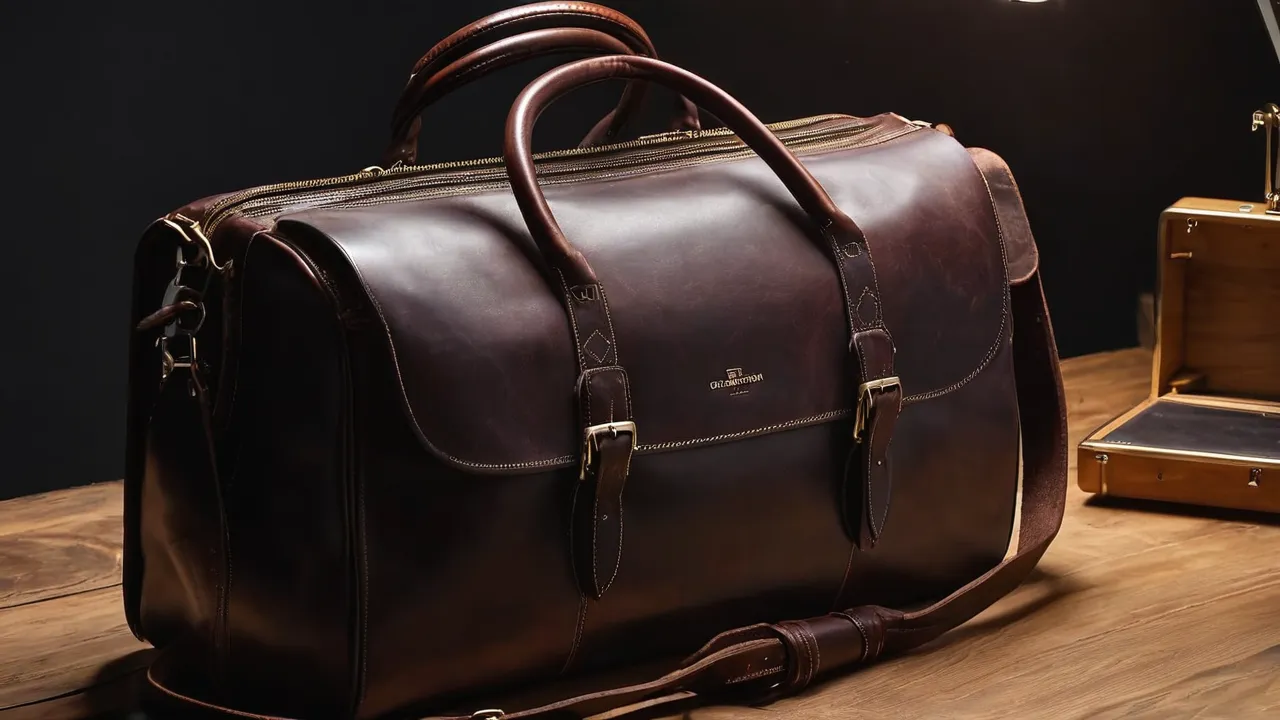
To clean a leather bag, identify the finish, try any product on a hidden spot first, wipe off dust with a soft dry cloth, clean with a damp cloth or a cleaner made for that leather, let the bag dry at room temperature and condition only if the leather looks dry. The finish decides what is safe, so a gentle approach is best.
Identify the leather and the finish
Smooth finished leather has a protective coat and a uniform surface, and it tolerates a damp cloth. Aniline leather has no protective coat, so it absorbs liquids and stains easily. Semi aniline has a light coat. Nubuck and suede are brushed surfaces that need special tools. Patent leather has a glossy coating. Coated and bonded leathers behave more like plastic.
To check the finish, put a drop of water on a hidden spot. If it beads, the surface is protected. If it soaks in and darkens, the leather is unprotected. Check the maker’s care tag and instructions first, and follow them where they differ from this guide.
The patch check
Before using any cleaner or conditioner, try it on a small hidden spot, such as the inside of a flap or the underside of a strap. Wait until it dries, and look for color change, stiffness or stickiness. If the spot looks fine, proceed. This step prevents most accidents.
Basic cleaning steps
Follow these steps in order each time.
- Empty the bag and shake out the interior.
- Wipe the exterior with a soft dry cloth to remove dust.
- Dampen a clean cloth with lukewarm water, wring it out and wipe gently.
- For smooth leather, use a mild soap or a leather cleaner on the cloth, not on the bag.
- Wipe away residue with a second damp cloth.
- Dry with a soft towel and let the bag air dry at room temperature.
- Stuff the bag with paper or a towel to keep its shape while it dries.
Never soak the bag, never use a hair dryer or heater and avoid household cleaners, alcohol and bleach. Heat and strong chemicals dry out and crack leather.
Cleaning specific bag parts
Handles and straps pick up oils from hands, so clean them with the same damp cloth method and condition them lightly. Metal hardware can tarnish, and a dry soft cloth usually suffices. Avoid getting cleaner on hardware or stitching. The lining may be fabric, suede or leather, and it needs its own care. Turn the bag upside down and shake out debris, and use a lint roller or a small vacuum on the interior. Do not soak the lining, which can leave stains and weaken the glue.
Edges and seams collect dirt. Use a soft brush or a clean cotton swab, and avoid scrubbing hard, which can scuff the edge paint. If the edge paint is chipping, leave repair to a professional or a product made for edge coating.
Suede, nubuck and special finishes
Suede and nubuck are napped, so water, oils and conditioners can darken and mat them. Use a suede brush or an eraser made for it, and a protector made for suede. Patent leather can be wiped with a damp cloth, but coatings differ, so follow the maker’s guidance. Exotic leathers and some printed finishes need specialist care. When the finish is unclear, a professional cleaner is a safer option than guesswork.
Matching the method to the finish
A short table of decisions saves guesswork. On smooth finished leather, a damp cloth and a mild leather cleaner are normally enough, and conditioner goes on sparingly. On aniline leather, skip water beyond a barely damp cloth, avoid soap, and use a conditioner made for unprotected leather in a hidden spot first, since even a little can darken the color. On semi aniline leather, treat it like finished leather but with extra caution around stains. On suede and nubuck, use only a brush, an eraser made for napped leather and a protector spray. On patent or coated leather, a soft damp cloth is the safe limit, and conditioners can leave a film.
If you cannot tell which finish you have, treat the bag as the most delicate case until the hidden spot says otherwise. Photograph the bag before you start so you can compare color afterward, and work in good light so you notice darkening early. Stop at the first sign of color change on the cloth, since leather dye that comes off is a signal to leave the cleaning to a specialist.
Conditioning without overdoing it
Condition only when the leather looks dry, feels stiff or is pale. Use a small amount of conditioner on a clean cloth, work it in thin and even layers and wipe off any excess. Let the bag rest overnight. Over conditioning darkens the leather, makes it greasy and can attract dirt. Aniline leather darkens easily, so start with a very small amount in a hidden spot.
Our leather conditioner versus oil versus wax guide explains how products differ. Tannage also affects care, since vegetable tanned leather darkens and firms with conditioner more than chrome tanned does.
Stains and special cases
Ink and grease
Fresh grease can be blotted with a clean cloth and absorbent powder left overnight, then brushed off. Ink is difficult, and a professional cleaner may be the safest choice.
Water spots
Dampen the whole panel evenly and let it dry, which can reduce visible spots on smooth leather. Work from seam to seam so no edge of dampness remains.
Mold and odor
Wipe light mildew with a barely damp cloth, dry the bag well and air it out. Store with a desiccant. If mold is heavy or returns, consult a professional.
Dye transfer
Dark leather and denim can transfer color onto light bags and clothing. Wipe the bag when it gets marked, since fresh transfer is easier to remove. A damp cloth often handles it, but a stain that has set may need a professional.
Storage and routine
Store bags stuffed to keep their shape, in a cotton dust bag, away from sun and heat. Avoid plastic, which traps moisture. Rotate bags if possible.
Use this simple schedule as a starting point and adjust it to how hard you use the bag:
- Every use or every few days: wipe with a dry cloth, empty the interior.
- Every month or two with daily use: wipe down with a damp cloth.
- Once or twice a year: condition lightly if the leather looks dry.
- Every few months in storage: check for mold, odor and shape.
- After rain, salt or a spill: blot, dry at room temperature and inspect.
Heavy use, rain or sweat may call for more frequent care. Make care a small habit and you rarely need a big restoration. See the clothing and footwear section and how we review for related guidance.
Common mistakes
- Using baby wipes or household cleaners that leave residue.
- Soaking the bag or leaving it in the sun to dry.
- Applying conditioner to a dirty bag, which traps dirt.
- Over conditioning, which darkens and softens the leather.
- Skipping the patch check.
- Storing in plastic, which traps moisture and can lead to mold.
Avoiding these mistakes protects the bag more than any product does.
Tools worth owning
- Two or three soft microfiber or cotton cloths.
- A soft horsehair or nylon brush for seams and edges.
- A gentle cleaner made for your leather type.
- A conditioner suited to the finish, in a small tin.
- A suede brush if you own napped leather.
- Paper or a bag shaper for stuffing during drying.
These items cost little and cover almost every routine job. Avoid kitchen sponges, abrasive pads and paper towels, which can scratch. Keep care products out of direct sun and use them within the stated shelf life. A clean cloth for each stage prevents spreading dirt back onto the bag.
When to call a professional
Deep stains, mold, torn linings, damaged edges and delicate finishes are jobs for a leather specialist. A professional cleaner can assess the finish and avoid damage. The cost is often modest compared with replacing a good bag. Ask about experience with your leather type, and get a quote before you hand over the bag.
Frequently Asked Questions
Can I clean a leather bag with water?
Usually a lightly damp cloth is fine on finished smooth leather, but never soak it. Unprotected aniline leather absorbs water and stains easily. Try a drop on a hidden spot first, wipe gently, and let the bag dry at room temperature, stuffed to keep its shape.
How often should I condition a leather bag?
Only when the leather looks dry, feels stiff or is pale, often once or twice a year. Over conditioning darkens the leather and makes it greasy. Use a small amount on a clean cloth, work it in thinly, and wipe off the excess.
What can I use to clean a leather bag at home?
A soft dry cloth for dust, then a clean damp cloth, and a mild soap or leather cleaner applied to the cloth rather than the bag. Avoid household cleaners, alcohol and bleach. If the finish is delicate or the stain is deep, ask a professional.
How do I remove mold from a leather bag?
For light mildew, wipe with a barely damp cloth, dry the bag well and air it out. Store it with a desiccant. If mold is heavy or comes back, take it to a leather specialist, since harsh treatments can damage the finish.
Final Thoughts
Identify the finish, check a hidden spot and use the gentlest method that works. Clean first, condition lightly only when needed and dry at room temperature. A careful routine keeps a leather bag looking good for years.
Related buying guides
- Leather Bag Color Combinations: Hardware and Outfits
- Leather Conditioner vs Oil vs Wax: What Each Does
- Vegetable Tanned vs Chrome Tanned Leather Explained
About the author

The BuyOnceChoice Editorial Team researches durable products worth buying once. Our guides compare published specifications, warranty terms, expert review consensus, and verified owner feedback. We do not conduct our own product trials. See How We Review and our Editorial Policy for our standards.