Leather Conditioner vs Oil vs Wax: What Each Does
Conditioners, oils and waxes do different jobs. Learn what each adds, where it fits on boots and bags and how too much softens leather and stitching.
 By BuyOnceChoice Editorial Team
Updated November 16, 2026
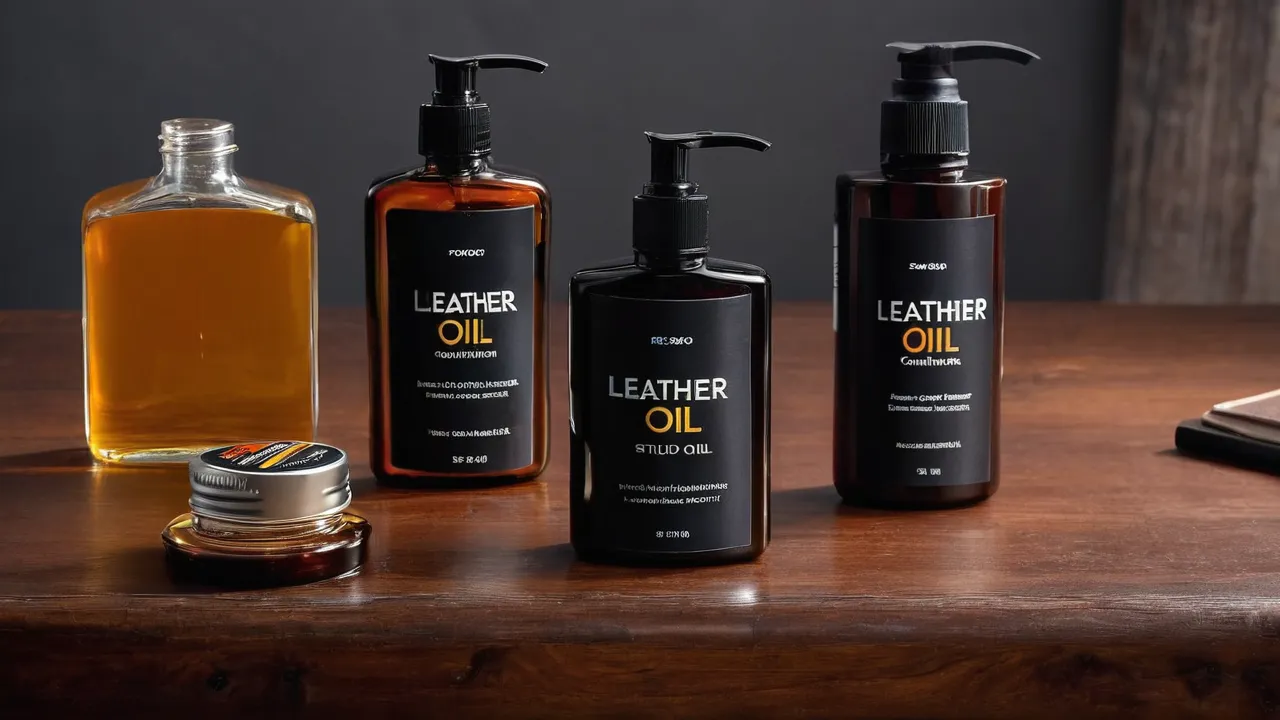
Leather conditioner vs oil vs wax comes down to what each product does. Conditioner replenishes the lighter oils and keeps leather supple, oil penetrates deeply to soften and darken stiff leather, and wax sits on the surface to repel water and add a firm finish. Pick conditioner for routine care, oil for dry or stiff leather and wax for protection, and use thin coats, because over conditioning softens leather, stitching and glue.
Why leather needs finishing
Leather is a skin that contains oils and fats from the tanning and finishing process. Heat, water, salt and flexing slowly remove them, leaving the fibers dry and prone to cracking. Care products add oils back and protect the surface. The right product depends on the leather, its finish and how you use it.
More is not better. Leather can absorb only so much. Extra product sits on the surface, attracts dirt and can weaken adhesives and thread. Understanding what each type does helps you use less and get better results.
What each product does
Conditioners
Conditioners are usually creams or lotions that mix oils, waxes and water or solvents. They soften leather lightly and restore moisture without changing the feel much. They suit smooth finished leather on bags, jackets and work boots that need regular maintenance.
A good conditioner absorbs in a short time and leaves a dry, even surface. If it leaves a greasy film, you used too much. Apply with a clean cloth in a thin layer, let it soak in, then buff.
Oils
Oils, such as neatsfoot oil or similar blends, penetrate deeply. They soften stiff leather, darken it and can restore very dry pieces. They also add weight and can make leather spongy if overused. Oils are common on heavy work boots and saddle leather.
Be careful. Oil can soften stitching and glue, and it darkens most leathers. Use a small amount and apply to the leather only, away from the welt stitching when possible. Do not oil leathers with a protective finish, or aniline leathers, without a hidden spot check.
Waxes
Waxes sit on the surface and in the pores. They repel water, give a firm feel and can add a mild sheen. Beeswax and blends are common in boot and bag care. A wax finish makes leather more water resistant but less breathable, so use it in moderation. Waxed leather can darken and stiffen.
Wax can be layered over conditioner. Apply a thin layer, warm it with your hands or a cloth and buff. Many people use wax on the welt and seams of work boots to help repel water.
Side by side comparison
| Product | Main job | Risk if overused |
|---|---|---|
| Conditioner | Light moisture, flexibility | Greasy surface, mild softening |
| Oil | Deep softening, restoring dry leather | Soft, spongy leather, weakened stitching, darkening |
| Wax | Water repellency, surface protection | Reduced breathability, stiffness, buildup |
Check the maker’s care guide for your boots or bag, since some brands specify products. Tannage matters too, and our vegetable versus chrome tanned leather guide explains how it changes the way leather takes product.
Ingredients and what to avoid
Many products list oils, waxes, solvents and silicones. Silicone makes leather shed water but can reduce breathability and may interfere with later refinishing. Petroleum based products can darken and soften leather and, in some cases, damage stitching. Natural oils such as mink oil and neatsfoot oil have long histories, but they can be heavy. Read the label, look for products made for your leather type and avoid mixing different types without checking compatibility. When a maker recommends a product, follow it.
Boots and bags
Work boots benefit from a conditioner for routine care, and a wax or oil for extra water resistance if the leather and finish allow. Cemented soles and glued areas can be damaged by oil, so be careful near the sole edge. See our work boot cleaning and conditioning schedule for timing. Bags need lighter care. Use a conditioner suited to the finish, and avoid oils unless the leather is very dry. Do a hidden spot check before using any product on a bag.
Never use products on suede or nubuck unless made for them. Fabric, synthetic panels and linings need no conditioner.
Decision rules
- Routine care of smooth leather: conditioner, thin coat, every few months.
- Dry, stiff, cracked leather: a small amount of oil, then conditioner.
- Wet weather boots: wax on the surface after conditioning.
- Aniline or light colored leather: very light conditioner, hidden spot check.
- Items with glue or cemented soles: avoid heavy oils near the sole.
- Suede and nubuck: products made for napped leather only.
See the clothing and footwear section and how we review for more.
Three worked scenarios
A pair of welted work boots has gone pale at the flex creases after a dry winter. Clean them, let them dry, apply a small amount of oil to the dry creases only, wait a day, then use a thin coat of conditioner over the whole boot. If the boots are used in wet conditions, finish with a thin wax layer on the welt and seams.
A leather bag with a protective finish looks dull but is not cracked. A thin coat of conditioner suited to finished leather is enough. Skip oil and wax, since the finish already resists moisture and extra product will only sit on top.
A stiff, rarely used boot has been stored in a hot closet. Oil may help, but go slowly, applying small amounts over several days and watching how the leather responds. If cracks have formed, product will not close them, and a cobbler can advise whether the boot is worth restoring.
The pattern is the same each time: clean first, choose the lightest product that solves the problem, and stop when the leather stops absorbing.
How to apply any of them
- Clean the leather first, because product over dirt traps grit.
- Let the leather dry fully at room temperature.
- Try the product on a hidden area and wait for it to dry.
- Apply a thin, even layer with a clean cloth or applicator.
- Work it into seams and creases with a soft brush.
- Let it absorb for several hours or overnight.
- Buff off the excess with a clean cloth.
Apply in a warm room, not near a heater. Warm leather absorbs product better, but strong heat can damage it. Do not use a hair dryer to speed up absorption. If the leather still looks dry after a day, apply another thin coat rather than one thick one.
Frequency and timing
There is no schedule that suits everyone. Leather in a dry climate or near heat needs more care than leather in a humid, mild one. Work boots in wet conditions may need attention every few weeks, while a dress bag may need it twice a year. Let the leather tell you. When it looks pale, feels stiff or shows fine cracks along flex lines, it is asking for care. When it feels supple and sheds a drop of water, leave it alone.
Signs of too much product
Greasy or tacky feel, dark blotches, a sticky surface that collects lint, soft stretched areas and stitching that looks swollen are all signs. On boots, a sole that begins to separate at the welt after heavy oiling is a warning. If you overdid it, wipe the surface with a clean dry cloth, let the leather rest in a ventilated place for several days and avoid adding more. Heavy overtreatment may need a professional.
Common myths and storage
- Oil makes leather waterproof. It repels water briefly and can make leather heavy, but it is not a waterproof membrane.
- More conditioner means more protection. Excess product attracts dirt and softens structure.
- All leather takes the same product. Finishes and tannage differ.
- Household oils are fine. Cooking oils can go rancid and stain.
- Conditioning fixes cracks. Conditioning can slow cracking but cannot rebuild damaged leather.
Understanding these myths protects your gear from well meant damage. Our winter boot care guide covers salt and seasonal treatment.
Keep tins closed, away from heat and sun, and use clean cloths so you do not contaminate the product. Creams can separate or dry out if stored badly. If a product smells rancid or has changed texture, replace it. A small amount of good product goes a long way, so buy small containers and finish them.
Frequently Asked Questions
Can I use leather oil on work boots?
Yes, on dry, stiff boots, in small amounts. Oil darkens leather and can soften stitching and glue, so keep it away from the welt and cemented sole edge. Follow with a thin coat of conditioner, and check the maker’s care instructions first.
Is wax better than conditioner for waterproofing?
Wax repels water better because it sits on the surface, but it reduces breathability and can stiffen the leather. Conditioner keeps leather supple but does little for water resistance. Many people condition first and add a thin wax layer on boots used in wet conditions.
How do I know if I have over conditioned leather?
Look for a greasy or tacky surface, dark blotches, a soft or spongy feel, and lint sticking to the leather. Wipe off excess with a dry cloth and let the leather rest for several days. Do not add more product, and let the leather breathe in a ventilated place.
Can I use conditioner on suede?
Not unless it is made for suede or nubuck. Standard conditioners can darken and mat napped leather. Use a suede brush and a protector made for suede, and try any product on a hidden spot first, since napped leather is hard to restore once darkened.
Final Thoughts
Conditioner maintains, oil restores and wax protects. Choose by leather type and need, apply thin coats and stop when the leather stops absorbing. Less product, applied at the right time, keeps leather supple and the stitching strong.
Related buying guides
- Vegetable Tanned vs Chrome Tanned Leather Explained
- Bifold vs Trifold vs Slim Wallets: Capacity and Wear
- Boots to Wear With a Leather Jacket: Matching Guide
About the author

The BuyOnceChoice Editorial Team researches durable products worth buying once. Our guides compare published specifications, warranty terms, expert review consensus, and verified owner feedback. We do not conduct our own product trials. See How We Review and our Editorial Policy for our standards.