Bifold vs Trifold vs Slim Wallets: Capacity and Wear
Bifold, trifold and slim wallets trade capacity for bulk and stress. Compare card count, pocket comfort and stitching strain before choosing a format.
 By BuyOnceChoice Editorial Team
Updated November 16, 2026
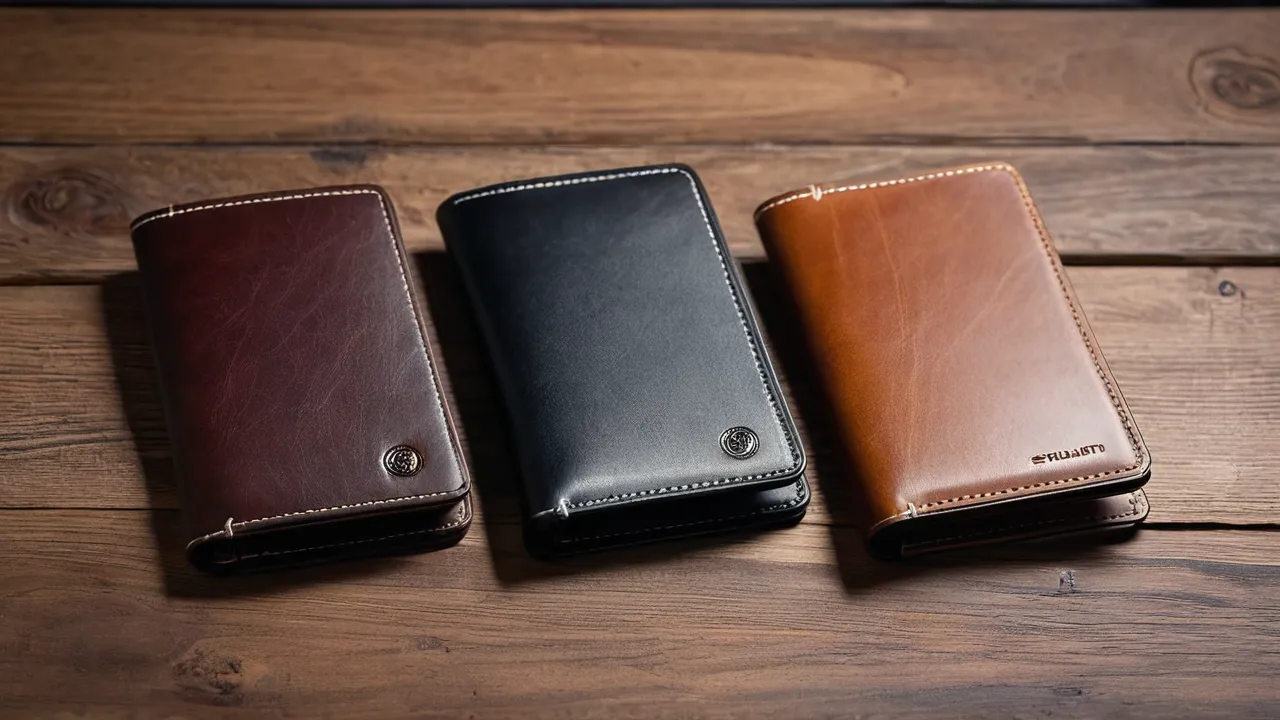
A bifold vs trifold wallet comparison comes down to capacity against bulk. A bifold balances room and thickness and suits most people. A trifold holds the most but is thick and stresses its seams. A slim wallet carries a few cards and some folded cash and is the most comfortable in a pocket. Choose by how many cards and bills you really carry and where you keep the wallet.
The three formats
A bifold folds once, with a pocket or two on each side, a bill compartment and card slots. It is the classic format. A trifold folds twice into thirds, with more room for cards, IDs and extras, and it is thicker. A slim wallet, sometimes called a cardholder or minimalist design, holds a handful of cards and a few folded bills with little bulk.
There is no single best format. Each suits a different pattern of carrying, so think about what you carry daily, not what you might need once a year. A useful exercise is to empty your current wallet onto a table and sort everything into “used this week” and “not used this week”. That pile, not your habit of carrying everything, tells you which format fits.
Pocket bulk and comfort
A wallet in a back pocket changes how you sit. A thick trifold can tilt the hip and put pressure on the lower back for some people, and a full bifold can bulge too. A slim wallet nearly disappears. Front pocket carry works best with slim wallets and flat bifolds.
Comfort depends on thickness, shape and how the leather breaks in. A full wallet cuts into the pocket and wears the fabric. If you sit for long periods, a slim wallet or front pocket carry helps. This is a comfort note, not medical advice, so speak with a health professional if you have back or hip pain.
Front pocket, back pocket and jacket carry
Front pocket carry suits slim wallets and bifolds, and it is also harder to lift unnoticed. It avoids the back pocket tilt. Back pocket carry suits a flat bifold, but the wallet shapes itself to your body and the leather wears along that curve. Jacket or bag carry suits trifolds and larger wallets, since pocket comfort matters less there. Tight jeans make any wallet feel thick, so match the format to the clothes you wear most.
Stitching stress
Seams carry the load. A wallet crammed with cards and cash pulls on the stitching at the corners and along the folds. A trifold has two fold lines and more seams, so it has more stress points. A bifold has one fold. A slim wallet has few seams and often a simple design.
Stress also depends on the build. Reinforced corners, strong thread and thicker leather help. A thin wallet overloaded with cards fails faster than a thick one carrying a modest load. Our wallet lifespan guide covers the usual failure points.
Which format wears out first
Trifolds often show wear first, because they have more seams and fold lines and usually carry more. Bifolds follow, depending on the load. Slim wallets often last longest when the leather is thick, since they have fewer stress points, but thin slim wallets with stretchy slots can fail by slot stretch. Format does not decide durability alone. A well built trifold can outlast a poor slim wallet, so judge by construction, leather and load.
Card count and organization
| Format | Typical capacity | Notes |
|---|---|---|
| Slim or cardholder | A few cards and folded bills | Least bulk, limited room |
| Bifold | Several cards and bills | Balanced and common |
| Trifold | Many cards, IDs and extras | Most bulk, most seams |
Capacity varies by design, so check the number of slots and the thickness of the leather. A wallet that holds many cards also tends to collect receipts and papers, which add bulk. Clearing it out regularly keeps it slim and reduces strain.
Most wallets fill up with things that are not needed: old receipts, loyalty cards, gift cards and spare keys. Clear the wallet monthly and keep only what you use weekly. Move seldom used cards to a drawer or a small sleeve at home. If you carry a lot of cash, a bifold with a bill compartment keeps bills flat, while a slim wallet may force you to fold them.
Leather and build choices
Thin leather suits slim wallets, but thin card slots stretch over time. Thicker leather holds its shape but adds bulk. Full grain leather wears well. Vegetable tanned leather ages with character, and chrome tanned leather is softer out of the box. Edges, stitching and lining matter more than the format. Check that edges are sealed and smooth, that stitching is even with no loose ends, and that the card slots are cut so the first card does not fall out.
RFID and other features
Some wallets advertise RFID blocking. Whether that matters depends on your cards and your risk, and claims vary, so read what the maker actually states. Other features include money clips, key holders, coin pockets and removable card sleeves. Each adds bulk or complexity. Choose features you will use and skip the rest, since fewer parts also means fewer things to fail.
Care for each format
A slim wallet needs little care beyond keeping it dry and not overstuffing it. A bifold benefits from light conditioning along the fold, and a trifold needs attention to both fold lines. Clean with a soft dry cloth, use a barely damp one if needed, and avoid soaking. Condition only when the leather looks dry, and follow the maker’s instructions for the finish.
Worked examples
Three quick cases show how the rules play out. A commuter carries a transit card, a debit card, an ID and a few bills, and keeps the wallet in a front pocket. That is five items, so a slim wallet or a flat bifold fits, and the thinner choice avoids a visible bulge. A contractor carries two payment cards, an ID, a license, a union card, insurance papers and a roll of cash, and drives all day. A trifold or a large bifold fits the load, but it should ride in a jacket or bag, since a thick wallet under the driver’s seat position tilts the hip. A traveler carries one daily card set and, on trips, a passport and boarding passes. That person is best served by a slim daily wallet plus a separate document holder.
If your count sits between two formats, pick the smaller one and cut the contents to fit. A wallet that is full only at the seams is a sign you chose too small a format, while a wallet that is half empty and still thick points to leather that is heavier than you need. Aim for a wallet that closes flat without straining the stitching, because that is the load the maker designed it for.
Before you buy, check the product page for slot count, closed thickness and leather type. If thickness is not listed, treat that as a gap and look at photos of the side profile.
Decision rules
- Few cards, front pocket: slim wallet.
- Everyday carry with several cards and cash: bifold.
- Many cards, IDs and papers, with a bag or jacket pocket: trifold.
- Long sitting hours: slim wallet or front pocket carry.
- Travel: a bifold with a bill compartment, plus a separate holder for documents.
- Long term value: choose strong stitching and full grain leather in any format.
For a gift, a bifold is the safest choice since it suits most people, and a slim cardholder is a good second wallet. For travel, a larger document holder keeps passports, boarding passes and cards together but makes sense in a bag, not a pocket. Many people use a slim daily wallet and a larger travel wallet, each in its role. If you are buying for someone else, look at the wallet they use now and match the format.
When you can, handle a wallet in person. Thickness, flexibility and the feel of the slots are easier to judge in the hand than in a photo. Break any new leather wallet in gently: it starts stiff and holds more than it should, so begin light and let the leather settle before you fill it.
Browse the clothing and footwear section for related guides, and see how we review for how we weigh construction claims.
Frequently Asked Questions
Is a bifold or trifold better for carrying lots of cards?
A trifold, because it has more slots and pockets. The trade is bulk and extra seams. If you carry many cards, consider moving the ones you rarely use into a sleeve at home, which lets a bifold work and keeps the wallet thinner.
Are slim wallets bad for the leather?
Not by themselves. Slim wallets last well when the leather is thick and the load is modest. Problems come from thin leather and overloaded slots, which stretch. Keep to the number of cards the design is meant to carry, and condition lightly when the leather looks dry.
How many cards should a slim wallet hold?
Most hold roughly three to six cards plus a few folded bills, but designs vary. Check the slot count and leather thickness on the product page. If the cards sit tight and the wallet bows, you are carrying too many for that design.
Is it bad to sit on a thick wallet?
It can be uncomfortable, since a thick back pocket wallet tilts the hip for some people. Moving the wallet to a front pocket or switching to a slimmer format usually helps. For ongoing pain, ask a health professional rather than relying on a wallet change.
Final Thoughts
Pick the smallest format that carries what you really use. A slim wallet suits minimal carry, a bifold suits most people, and a trifold suits heavy loads at the price of bulk and seam stress. Keep the wallet light and the stitching sound, and it will last.
Related buying guides
- Boots to Wear With a Leather Jacket: Matching Guide
- Full Grain vs Genuine Leather Wallets: What to Check
- How Long Do Leather Wallets Last and How to Extend Life
About the author

The BuyOnceChoice Editorial Team researches durable products worth buying once. Our guides compare published specifications, warranty terms, expert review consensus, and verified owner feedback. We do not conduct our own product trials. See How We Review and our Editorial Policy for our standards.