Is Stainless Steel Cookware Safe? Nickel and Chromium
Stainless is stable and widely used, but nickel sensitivity is real. Here is a plain-language look at what leaches, when, and who should be cautious.
 By BuyOnceChoice Editorial Team
Updated November 16, 2026
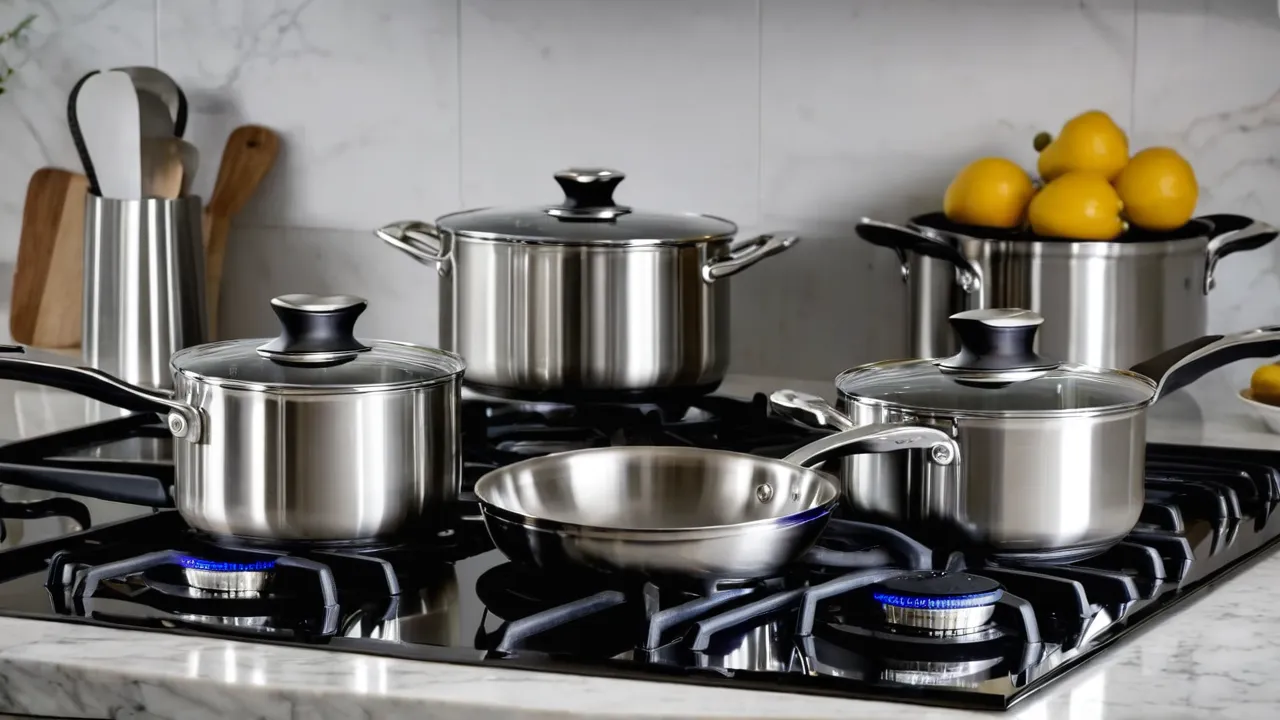
Is stainless steel cookware safe? For most people, yes. Food-grade stainless steel is stable, does not coat or flake, and releases only very small amounts of nickel and chromium during normal cooking. The main exception is people with a diagnosed nickel allergy or sensitivity, who should talk to their doctor and may prefer nickel-free stainless or another material.
What Stainless Steel Is Made Of
Stainless steel is an alloy of iron with at least roughly 10.5 percent chromium, plus other metals that vary by grade. The chromium forms a thin, invisible layer of chromium oxide on the surface. That layer protects the iron from rust and renews itself when scratched, and it is the reason stainless does not need seasoning or a coating.
Cookware is made from several grades of stainless. The grade you see on the product page, such as 18/10 or 18/8, describes the share of chromium and nickel: 18 percent chromium, and about 10 or 8 percent nickel. Grade 18/0 has about 18 percent chromium and little or no nickel. Nickel adds shine and corrosion resistance, while nickel-free grades are often magnetic, which suits induction cooktops. Check the product page for the grade and the claims about what the cooking surface is made of.
Many pans are clad, with an aluminum or copper core sandwiched between stainless layers. In well-made clad pans, the food contacts only the stainless cooking surface, not the core. If the cooking surface is exposed aluminum, that is a different product, so read the description carefully.
Does Stainless Steel Leach Nickel and Chromium?
All metals can release trace amounts into food, and stainless is no exception. Studies of stainless cookware have found that small amounts of nickel and chromium can transfer to food, and that the amounts tend to be higher in new cookware, with acidic or salty foods such as tomato sauce, and with long cooking times. The amounts are small compared with what most people consume through ordinary food, and the release tends to drop as a pan is used.
No single figure applies to every household and every pan, so keep to these principles. Normal cooking with good-quality stainless is generally considered safe by food safety authorities. People with a nickel allergy are the group most likely to notice a reaction. Concern about chromium is mostly about leaching of a form that occurs naturally in the alloy, and normal use does not turn it into the harmful forms that are an industrial concern. If you have a medical condition or a specific worry, ask a doctor or a registered dietitian.
Who Should Be More Careful
- People with a nickel allergy or contact dermatitis. Nickel sensitivity is common, and while reactions to cookware are uncommon, they are possible. Ask a doctor, and consider nickel-free stainless, such as 18/0, or other materials like enameled cast iron.
- Households with infants, where parents may want to minimize any exposure and use gentle cooking habits. This is a precaution, not a claim of risk.
- Anyone with a kidney condition, where metal intake may be managed by a doctor.
If you are in none of these groups, you can generally stop worrying, as stainless has a long record of use in homes and restaurants.
How to Reduce Leaching
These steps are cheap and sensible.
- Break in a new pan: wash it thoroughly, then simmer water with a splash of vinegar or baking soda for a few minutes, as some makers suggest, and rinse. Check your manual first.
- Avoid long simmers of highly acidic foods like tomato sauce, wine reductions, or lemon-based dishes in a new pan. Short cooking times are fine.
- Do not store acidic or salty foods in the pan. Transfer leftovers to glass or other containers.
- Avoid harsh scouring and steel wool on the interior, which can damage the passive layer and roughen the surface.
- Do not overheat an empty pan, which can discolor the surface and damage the finish.
- Replace pans with deep pitting, a flaking surface, or a worn cooking layer.
- Use wooden or silicone utensils to avoid scratching.
Other Safety Points
- Heat and handles: handles can get hot, so use mitts, and check the oven-safe temperature stated in the manual.
- Warping: a warped pan can tip and cause burns, so replace it.
- Dishwasher: many pans are dishwasher safe, but aggressive detergents can dull the surface.
- Quality labels: look for a clear grade statement and a maker with a published warranty and contact information. Unmarked or very cheap cookware may use a lower grade, so be cautious about unexplained discoloration or metallic taste.
- Cleaning agents: never mix bleach with vinegar, ammonia, or other cleaners, since this can release harmful fumes.
How Stainless Compares With Other Materials
| Material | Main safety note |
|---|---|
| Stainless steel | Trace nickel and chromium, rarely a concern except for nickel allergy |
| Cast iron | Adds a little dietary iron, and rusts if neglected |
| Enameled cast iron | Intact enamel is nonreactive, chips expose iron |
| Nonstick | Follow heat limits to avoid damaging the coating |
| Aluminum, uncoated | Reacts with acidic foods |
| Copper, unlined | Reacts with acidic foods, use only as directed |
For a lower-maintenance alternative, see our cast iron cookware guides or Dutch oven guides. Our stainless steel cookware guides explain how to choose a pan. Our How We Review page explains how we evaluate products using research and specifications, and the cookware and kitchen tools section covers related gear.
How to Pick Stainless With Safety in Mind
Choose cookware from a maker that states the grade of the cooking surface and offers a clear warranty and support contact. Prefer fully clad pans where the cooking layer is stainless steel. Avoid pans with a damaged or flaking coating inside, and be skeptical of unmarked pieces. If you want to avoid nickel entirely, look for 18/0 or ferritic stainless, and confirm that the pan works on your cooktop, since nickel-free steels are often magnetic and thinner.
A Worked Example
A cook who is nickel-sensitive buys a fully clad 18/0 skillet and an 18/0 saucepan, uses them for searing and boiling, and keeps long tomato simmers in an enameled Dutch oven. Another cook with no sensitivities uses 18/10 pans for everything and breaks them in with a vinegar simmer. Both are reasonable choices based on their situation. If a rash or other reaction occurs and you suspect cookware, stop using the piece and see a doctor.
Reading the Research Without Overreacting
News stories about metals in cookware can sound alarming because they report that something was detected. Detection is not the same as harm. What matters is the amount, how often you are exposed, and your own sensitivity. Research on stainless cookware generally looks at how much metal moves into a food simulant or a cooked dish under set conditions, then compares that to health guidance values. Results vary with the grade, the age of the pan, the food, and the cooking time, so numbers from one study do not carry over to your kitchen. The practical reading is that normal use is considered low risk, while sensitive people and heavy acidic cooking deserve a little extra caution.
When you look for guidance, prefer sources like national food safety agencies, medical organizations, and the cookware maker’s own safety statements, and be skeptical of sites that sell water filters or alternative cookware while describing stainless as dangerous.
Signs You Should Stop Using a Pan
Stop using a pan and check the manual or contact the maker if you notice any of these.
- A persistent metallic taste in food that does not fade after the pan is cleaned.
- Flaking, peeling, or blistering on the inside surface.
- Deep, spreading pits or rust-colored spots that return after cleaning.
- A warped base that makes the pan unstable.
- Handles that are loose or cracked.
- A rash, itching, or other reaction that seems linked to handling or cooking with the pan.
Do not try to self-diagnose a health reaction. If a family member shows symptoms, see a doctor and mention the cookware.
Frequently Asked Questions
Does stainless steel cookware leach nickel into food?
Small amounts can transfer, especially from new pans and with acidic foods cooked for a long time. For most people this is not a concern. If you have a nickel allergy, ask a doctor, and consider nickel-free stainless or another material.
Is 18/10 or 18/0 stainless steel safer?
Neither is universally safer. Grade 18/10 contains nickel and offers strong corrosion resistance and shine, while 18/0 contains little or no nickel, which matters for people with nickel allergy. For most people, both are acceptable. Choose by your health needs and cooktop.
Is it safe to cook tomato sauce in stainless steel?
Yes, for ordinary cooking. Stainless does not react the way aluminum or unlined copper does, though long acidic simmers in a new pan can release slightly more nickel and chromium. Cook in moderation, and store leftovers in glass or another container.
Should I replace old stainless steel pans?
Only if they are damaged. Replace pans that are warped, deeply pitted, or have a rough, flaking, or worn cooking surface. Cosmetic stains, rainbow tint, and light scratches do not make a pan unsafe, and a thorough cleaning usually fixes them.
Final Thoughts: Safe for Most, With One Caveat
Stainless steel is a safe, durable cookware choice for most households. People with nickel allergy should ask their doctor and consider nickel-free grades. Break in new pans, avoid long acidic simmers in them, and replace damaged pieces.
Related buying guides
- Nonstick vs Stainless vs Cast Iron: Which Pan First
- PTFE vs Ceramic Nonstick: Durability and Safety
- Remove Discoloration and Burnt Residue From Stainless
About the author

The BuyOnceChoice Editorial Team researches durable products worth buying once. Our guides compare published specifications, warranty terms, expert review consensus, and verified owner feedback. We do not conduct our own product trials. See How We Review and our Editorial Policy for our standards.