Winter Boot Warmth Mistakes That Leave Feet Cold
Cold feet in good boots usually trace back to a few habits. Check lacing, socks, moisture and activity match before you blame or replace the boots.
 By BuyOnceChoice Editorial Team
Updated November 16, 2026
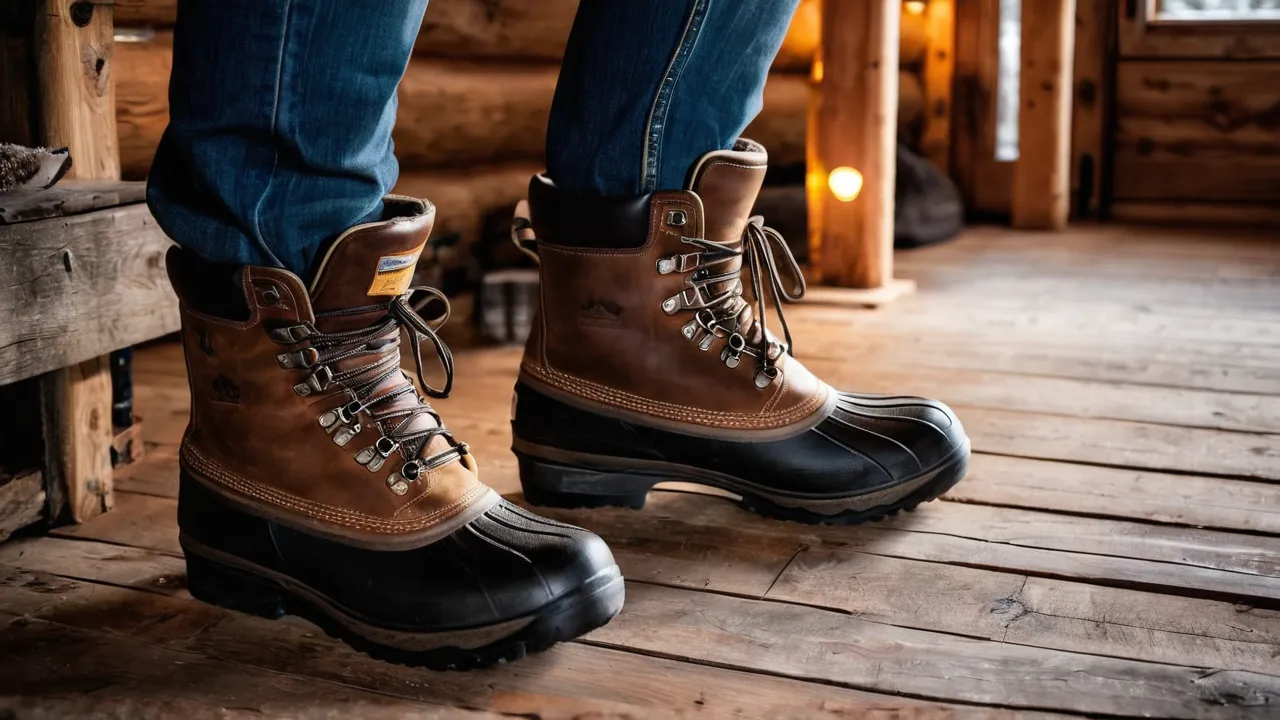
Your feet are cold in winter boots usually because of fit, moisture or a mismatch between the boot and what you are doing, not because the boot is too thin. Tight lacing, damp cotton socks, a boot built for walking worn for standing, and worn-out insulation are the most common causes, and each has a fix you can try before buying anything new.
How Feet Lose Heat in a Boot
A boot keeps your foot warm by holding a layer of still air around it. That layer fails in a few predictable ways. Compression squeezes the air out of the insulation and the socks. Moisture replaces air with water, which conducts heat many times faster. Cold ground draws heat through the sole whenever you stand in one place. And your foot makes less heat when circulation is limited, which happens when the boot is too tight or you are sitting still.
Keeping those four mechanisms in mind turns troubleshooting into a short checklist: is the boot squeezing, is it damp, is the sole thin for what I am doing, and am I generating enough heat? The mistakes below are the ways people fail one of those checks.
The Seven Mistakes and Their Fixes
Mistake 1: Wearing the Boot Too Tight
A boot that fits snugly with thin socks becomes tight with thick ones. Thick wool in a boot with no spare room squeezes the toes and the top of the foot, which restricts blood flow and flattens the insulation. Fix: try the boot with the sock you plan to wear, and leave room to wiggle your toes. If you cannot, size up or switch to a thinner sock rather than cramming both together.
Mistake 2: Wearing Wet or Cotton Socks
Cotton holds moisture and loses nearly all its insulating value when damp. Sweat counts as much as snow. Fix: choose wool or a synthetic blend, carry a dry spare pair on long days, and change socks once they feel damp rather than waiting until your toes are cold. Our work boot fitting checklist shows how to check that a sock and boot combination leaves enough room.
Mistake 3: Letting Moisture Build Inside the Boot
Many people dry the outside of a boot and ignore the inside. A damp liner starts the next day cold. Fix: pull out the insoles and liners every night, loosen the laces, and let the boots dry at room temperature away from direct heat. Direct heat can warp materials and weaken adhesives, so follow the maker’s care guidance.
Mistake 4: Choosing the Wrong Boot for the Activity
A boot designed for walking in the cold, with a flexible sole and light insulation, will feel cold if you stand on a ladder or at a bus stop. A heavily insulated pac boot can overheat you on a brisk walk, and sweat then chills you later. Fix: match the boot to the job. Our pac versus snow versus hiking boots guide lays out how the three types differ.
Mistake 5: Ignoring the Ground
Frozen ground steals heat through the sole. A thin midsole and a thin footbed give little barrier, so feet go numb when you stand still. Fix: look for a thicker sole and an insulated footbed, add a closed-cell foam or reflective insole if the boot has the volume, and shuffle your feet or step off the ground when you can.
Mistake 6: Lacing Too Tight at the Instep
Tight laces across the top of the foot press on the vessels that feed the toes. The foot may feel secure but run cold. Fix: tighten at the ankle to hold the heel, and keep the forefoot area looser. If you feel pressure or tingling after twenty minutes, loosen the laces and compare.
Mistake 7: Using Worn-Out Boots
Insulation packs down with wear, liners tear and soles crack, so a boot that was warm in its first season can underperform in its third. Fix: check the liner for flat spots or tears, press the footbed to see whether it still rebounds, and look for cracks or gaps where the sole meets the upper. If the boot has lost its loft or leaks, replace it.
A Troubleshooting Order That Saves Time
Work through the causes in order of cost, from free to purchase.
- Check the socks: dry, wool or synthetic, and not too thick for the boot.
- Loosen the laces at the instep and see if toes warm up within ten minutes.
- Dry the liner and insoles overnight and compare the next morning.
- Add or swap an insole, and check whether the boot has room for it.
- Reconsider the activity: if you stand still, plan breaks, move your feet and consider a boot with a thicker sole.
- Inspect the boot for wear, then decide between repair and replacement.
Changing one thing at a time tells you which fix mattered. Changing five at once leaves you guessing.
Layers, Timing and Body Signals
Cold feet are often a whole-body signal. If your core is cold, your body pulls blood from your hands and feet. Add a layer on your torso, cover your head and keep your legs from being soaked by snow falling into the boot top. Gaiters or pants worn over the boot cuff keep snow out.
Timing also matters. If you start an outing with cold feet, they rarely warm up in a boot, because the boot holds cold as well as heat. Warm your feet indoors before you set off. After a cold spell, avoid putting hands or feet directly on a heater or very hot water. Warm up gradually. If a toe stays white, waxy, numb or painful after rewarming, or if you have a medical condition that affects circulation, talk to a healthcare professional and follow their advice rather than trying to fix it with gear alone.
When to Replace Rather Than Adjust
Adjustments work when the boot is basically sound. Replace when the liner is crushed, the sole leaks, the upper has cracked at a flex point or you have already tried dry socks, correct fit and loose laces without improvement. Also replace when the boot was never right for your use. A heavy insulated boot will not become a good standing boot by adding socks, and a light walking boot will not become a good ice-fishing boot with an extra insole.
For broader context on sizing and gear, see our clothing and footwear section, and read how we review to learn how we weigh claims like warmth.
Two Quick Worked Examples
A warehouse worker stands on a loading dock for hours in a boot with a thin, flexible sole. Their feet go numb by mid-morning even though the boot is labeled insulated. The cause is the ground and the activity, not the insulation. A thicker sole, an insulated footbed and a short warm-up routine every hour address it, and a second pair to rotate keeps the liners dry.
A commuter walks briskly to a station in heavy pac boots and thick socks. Their feet sweat on the walk, then chill on the platform. The cause is moisture from overheating. A lighter boot, a thinner wicking sock and carrying a dry pair for the return trip solve it better than more insulation.
Both cases look like the same complaint, and both are fixed by naming the real cause. Before you spend money, write down when your feet get cold: at the start, after an hour, when standing, or after walking. The timing usually points to the answer.
Checking the Sock and Boot Together
Sock thickness is the variable people forget to measure. Put on the boot with your usual sock, lace it normally and stand up. You should be able to wiggle every toe, and when you slide your foot forward, there should be about a thumb’s width behind the heel or a little less. If you cannot move your toes freely, the sock-boot pair is too tight for winter. Try the same boot with a thinner sock. If the boot now feels loose, the boot is simply a size too large for a thin sock, and it might need a medium one instead.
Also check the insole. A thick replacement insole raises your foot inside the boot and reduces toe room, so it can create the same squeeze as a thick sock. When you change one thing, recheck the others.
Frequently Asked Questions
Why are my feet cold in winter boots even with thick socks?
Thick socks can make feet colder if they fill the boot and squeeze the toes, because compression cuts blood flow and flattens the insulation. Try a thinner wool sock with more room, or size the boot to fit the thick sock. Also check whether the socks and liners are damp.
Do warmer boots always fix cold feet?
No. A warmer boot helps if the old one lacked insulation or a thick sole, but it does not fix tight fit, damp socks or standing on frozen ground for long periods. Work through socks, fit and moisture first. Buy a warmer boot only when those checks are clean and your feet still run cold.
Should I wear two pairs of socks in winter boots?
Only if the boot has room for both without squeezing. Two layers can trap more air, but a tight fit does the opposite. A thin moisture-wicking liner sock under a medium wool sock works for many people, provided your toes can still move. If it feels snug, go back to one good sock.
Why do my feet get cold when I am standing still outdoors?
Standing removes the heat you make while walking, and the cold ground pulls heat through the sole. A thicker sole, an insulated footbed and a roomy toe box help. Stepping side to side and taking warm-up breaks also help, and a boot built for standing may suit you better than a walking boot.
Final Thoughts
Cold feet in winter boots usually come from fit, moisture or the wrong boot for the job. Work through socks, lacing, drying and the sole before spending on new boots, and replace the pair only when the insulation or waterproofing is clearly worn out. One change at a time will show you what actually warms your feet.
Related buying guides
- Winter Boots for Plantar Fasciitis: Support Checklist
- Winter Boots for Wide Feet and Calves: Fit Guide
- Chelsea vs Lace Up vs Pull On Winter Boots
About the author

The BuyOnceChoice Editorial Team researches durable products worth buying once. Our guides compare published specifications, warranty terms, expert review consensus, and verified owner feedback. We do not conduct our own product trials. See How We Review and our Editorial Policy for our standards.