How to Dry and Care for Winter Boots Between Seasons
Winter boots face salt, slush and damp liners. A short routine for cleaning, safe drying and off season storage helps leather, seams and soles last.
 By BuyOnceChoice Editorial Team
Updated November 16, 2026
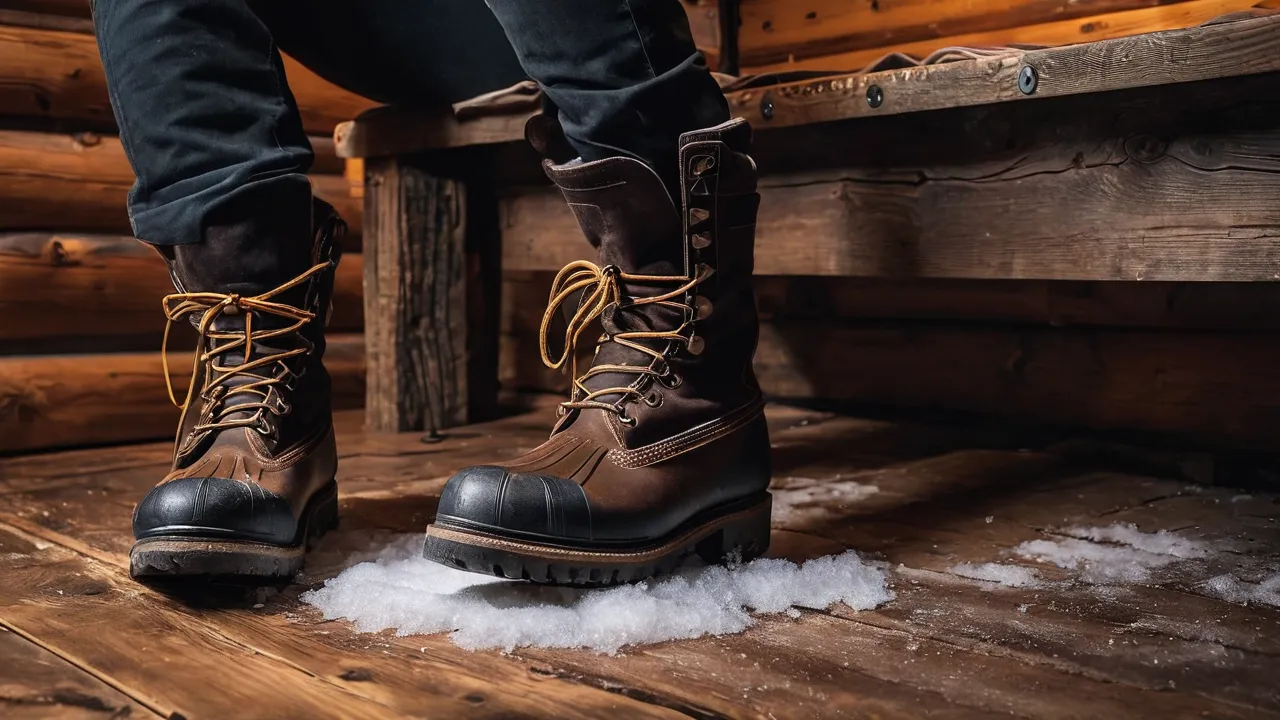
To care for winter boots, rinse off salt and slush after each wear, dry the liners and shells separately at room temperature away from heaters, condition leather or treat fabric when water stops beading, and store the boots clean and dry in a cool, ventilated place. Heat damages glue, rubber and insulation, so slow drying is safer than quick drying.
Why winter is hard on boots
Winter boots take on moisture from snow, slush and sweat, and salt from roads and sidewalks. Salt draws moisture out of leather, leaves white stains and corrodes metal parts. Moisture trapped in liners lowers insulation and invites odor and breakdown.
Boots also go through cycles of wet and dry, and cold and warm. These stress glue, stitching and the sole joint. A small amount of care after each use prevents most of the damage.
After each wear
- Knock off snow and slush before you go inside.
- Wipe off salt with a damp cloth.
- Remove the liners and insoles if they are removable.
- Open the boots wide and stand them upright to dry.
- Stuff with paper if the boots are very wet, and change it when damp.
- Keep boots away from vents and heaters.
A boot tray inside the door catches meltwater and keeps floors clean. Rotating two pairs helps, since each pair gets a full day to dry.
A simple weekly and seasonal routine
Each week, check the soles for packed ice and stones, wipe the uppers, brush the welt line and look at the laces. Once a month during heavy use, give the boots a fuller clean, check the seams and add conditioner or a protective treatment if the surface looks dry. Before the season, inspect last year’s boots, clean off dust, replace worn insoles and liners and treat the leather or fabric. After the season, clean, dry, condition and store as described below.
Salt stains and cleaning
To remove salt stains, wipe with a cloth dampened with a small amount of white vinegar in water, then wipe with plain water and let the boot dry. Try it on a hidden spot first, since finishes vary. Condition the leather afterward, since salt dries it out. For fabric and synthetic panels, use mild soap and water.
Avoid harsh solvents and strong detergents, which can strip finishes and damage adhesives. Check the maker’s care guide for leather type and membrane. Our leather conditioner versus oil versus wax guide helps you pick a product.
Caring for different boot materials
Smooth leather needs regular conditioning, since salt and cold dry it out. Apply a thin coat of cream or wax after the boot is clean and dry. Nubuck and suede need a brush and a spray treatment made for them, and conditioner will darken and mat the surface. Fabric and synthetic uppers need mild soap and water, with a soft brush for dirt. Rubber lowers can be rinsed and wiped clean, and a light rubber protectant helps prevent cracking when stored for months. Metal hooks and eyelets benefit from a wipe and a thorough drying to avoid rust. Laces collect salt and mud, so wash them separately or replace them when frayed.
Reproofing and refreshing waterproofing
When water stops beading and soaks into the surface, the finish has worn off. Clean the boot, let it dry, and apply the treatment recommended for the material. Spray on products suit fabric and nubuck, and wax or cream suits smooth leather. Treat in a ventilated area and follow the instructions. Some boots with membranes need a product that does not clog the pores, so check the manual. Treat before the season starts and midway through the season in harsh conditions.
Drying liners and heat limits
Do not dry boots on direct heaters, radiators, fireplaces or in hot vehicles. Heat can crack leather, soften glue, warp rubber and damage insulation. Do not put boots in a clothes dryer unless the maker says so. Dry them at room temperature, with air moving around them. A boot dryer that circulates gentle, low heat air is usually safe when used as directed, but follow the manual. Heat near boots can also create a fire risk, so keep them clear of heating equipment.
Pull out removable liners and dry them separately. If a liner is washable, follow the instructions, and let it dry fully before putting it back. See our removable liner guide for more on liners.
Dealing with odor and moisture
Odor comes from bacteria feeding on sweat in damp insoles and liners. Dry the liners and insoles fully after each use, rotate pairs and use moisture wicking socks. Baking soda or cedar inserts can absorb odor, and fresh socks matter more than sprays. If an odor persists, wash the liners if allowed and let them dry completely before returning them.
Off season storage
Clean the boots and let them dry fully. Condition leather lightly. Stuff the boots with paper or use boot shapers to hold their shape. Store them in a cool, dry, ventilated place, away from sunlight and heat. Avoid sealed plastic bags and damp basements, which trap moisture and cause mold. Keep liners with the boots or hung separately in breathable bags.
Check the boots once during the off season and air them out. Inspect for pests, mold and sole separation, so you can repair before the next winter. Our work boots guides explain how to judge when a resole is worth it.
Troubleshooting and repair signs
- White salt marks: vinegar and water wipe, then condition.
- Stiff leather: light conditioning at room temperature.
- Persistent odor: dry liners fully, use fresh socks, rotate pairs.
- Leaks at seams: clean, dry, and re-treat or consult a cobbler.
- Cracked sole: ask a cobbler before the crack spreads.
Signs a boot needs repair or replacement include a sole separating at the toe or heel, cracks that go through the leather, stitching that is pulling out, a liner that is flattened or torn, leaks that return after reproofing and eyelets or hooks that are rusted or loose. Small repairs by a cobbler can extend a boot’s life by seasons, often for much less than a new pair.
See also the clothing and footwear section and how we review for related guidance.
Worked examples
Consider a commuter who walks through salted slush twice a day. The boots come inside wet, so the routine is short: wipe the uppers with a damp cloth, pull the insoles, stand the boots open on a tray and let them dry overnight. Once a week, wipe away white salt lines with a vinegar and water cloth and condition the leather lightly. The second pair is worn the next day, and the first pair rests.
Consider a hunter or ice fisher who spends hours in deep cold. Sweat builds up in the liners, so the routine is built around moisture. Pull the liners every night, dry them at room temperature, and keep a spare. At the end of the trip, clean mud from the soles, treat the leather and check the sole joint before the boots go into storage.
Consider a parent with kids’ boots. Salt and mud collect fast, laces get chewed and liners stay damp. A tray by the door, a stiff brush and a weekly wipe cover most of the work, and the boots go into the closet clean in spring. If boots will be handed down, check the liners and soles, and replace the insoles before the next child wears them.
In each case the idea is the same: remove moisture and salt while they are fresh, dry slowly, and look at the boot once a week. It takes a few minutes after each wear, and it is the cheapest way to add seasons to a pair.
If you are unsure about a product or method for your boot, ask the maker for its care instructions, since leather types, membranes and glues differ, and what suits one boot may harm another.
Frequently Asked Questions
How do I get salt stains out of winter boots?
Wipe with a cloth dampened with white vinegar in water, then wipe with plain water and let the boots dry at room temperature. Try it on a hidden spot first. Condition leather afterward, since salt dries it out. Use mild soap on fabric.
Can I dry winter boots near a heater?
No. Heat can crack leather, soften glue, warp rubber and damage liners, and it can be a fire risk. Dry boots at room temperature with air moving around them, and dry removable liners separately, since a hot or damp liner is the first part to fail.
How should I store winter boots for summer?
Clean them, dry them fully, condition leather lightly, and stuff them to hold their shape. Store in a cool, dry, ventilated place, away from sun and heat. Avoid sealed plastic bags and damp basements, and check them once during the off season.
How often should I waterproof winter boots?
When water stops beading and soaks into the surface. Clean and dry the boots first, then use the treatment recommended for the material. In harsh conditions, treat before the season and again midway. Check the manual for boots with membranes.
Final Thoughts
A winter boot lasts longer when it is cleaned of salt, dried slowly and stored properly. Keep heat away from glue and liners, rotate pairs and fix small problems early. A few minutes after each wear protect a boot that has to work all season.
Related buying guides
- Winter Boot Insulation Explained: 200g vs 400g vs 600g
- Winter Boot Sizing: Should You Size Up for Warmth
- Winter Boot Temperature Ratings: How Reliable Are They
About the author

The BuyOnceChoice Editorial Team researches durable products worth buying once. Our guides compare published specifications, warranty terms, expert review consensus, and verified owner feedback. We do not conduct our own product trials. See How We Review and our Editorial Policy for our standards.