Winter Boot Sizing: Should You Size Up for Warmth
Sizing up helps only up to a point. Work out sock thickness, toe room and brand fit differences, and see why a tight winter boot feels colder.
 By BuyOnceChoice Editorial Team
Updated November 16, 2026
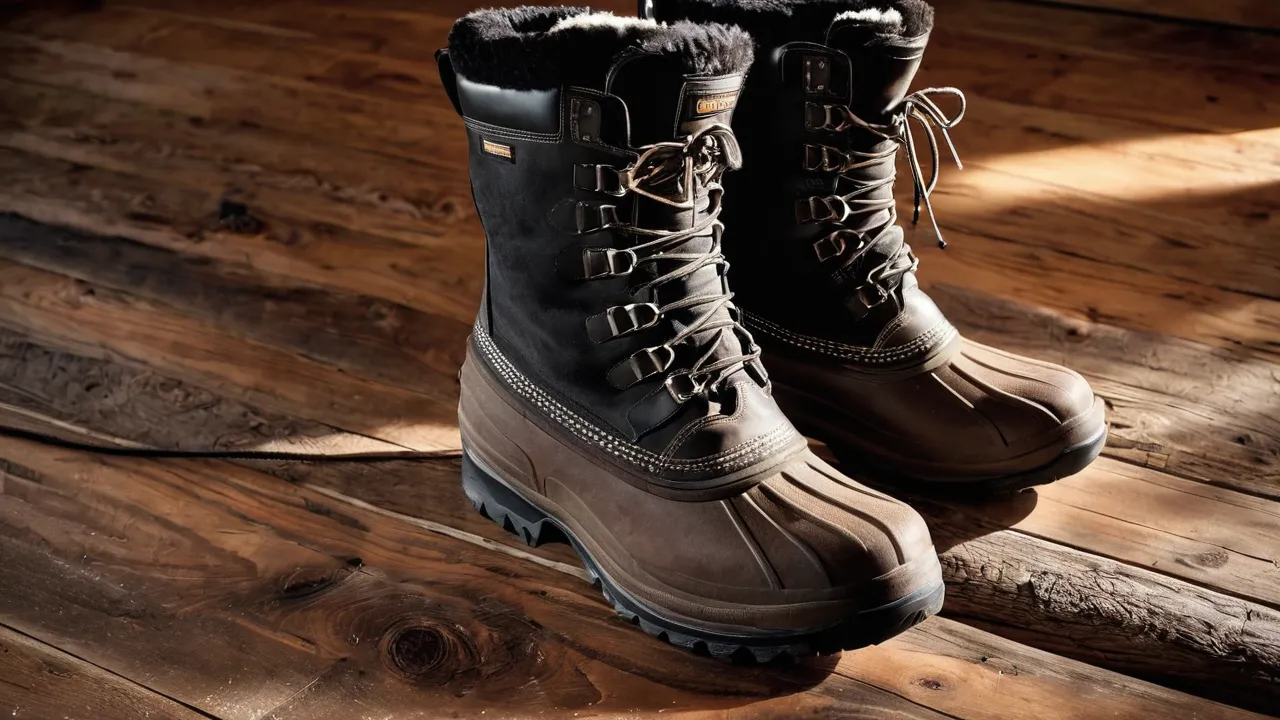
Should winter boots be a size bigger? Sometimes, but not automatically. A winter boot needs enough room for the socks you will wear and for air around your toes, so many people choose a half size up or a roomier width. A full size up often causes heel slip and blisters. Decide with the socks you plan to wear on your foot, not with a rule.
Why room matters in the cold
Warmth in a boot comes from trapped air and from blood flow to the foot. A boot that squeezes your toes does two harmful things. It compresses the insulation and the sock, which removes the air pockets that keep heat in. It also restricts circulation, so less warm blood reaches your toes. A tight winter boot can feel colder than a looser boot with less insulation.
Too much room causes its own problems. If the boot is too long, your heel lifts and slides, you lose control on slippery ground, and you get friction blisters. A large air gap around the foot is also hard to keep warm, since your foot has to heat more space.
The goal is a snug heel and midfoot, free toes, and enough volume to hold the sock you intend to wear without squeezing.
Sock thickness math
Sock thickness changes the volume your foot takes up inside the boot. The change is not huge in length, but it adds up in width and height.
- Thin liner or dress sock: your regular size usually works.
- Midweight wool or synthetic hiking sock: often fine in your regular size, or a roomier fit within the same size.
- Heavy wool sock: may call for a half size up or a wider width, depending on the boot’s last.
- Two layers (liner plus heavy sock): treat as the heaviest case and size the boot with both on.
A practical method: try the boot on late in the day with the exact sock you plan to wear, lace it as you would outdoors, and stand on a hard floor. You want about a thumb’s width, roughly half an inch, in front of your longest toe. If your toes touch the front when you stand, go up. If the heel lifts a lot when you walk, go down or try a different last. Do not size for a sock you do not own.
If you plan to use heated socks or insoles, check how much space the battery and wiring take, because they can add bulk at the ankle and under the foot. Follow the maker’s manual for fit guidance.
Brand and style differences
Winter boots come in many styles, and each fits differently.
Pac style and rubber lowered boots
These often run roomy because they are built around thick removable felt liners. Sizing up can make them too loose. Check whether the maker describes the boot as true to size, and try them with the liner in.
Insulated hiking and work boots
These tend to be built on a snugger last and may need a half size up if you wear heavy socks. Width options may exist.
Fashion and city winter boots
Some are cut narrow, and sizing up in length can leave the heel loose while the width still pinches. Look for width options or a different last instead of a longer size.
Fleece or shearling lined boots
The lining compresses with wear, so a boot that feels tight in the store may loosen after a few weeks. Be careful about sizing up too far on the first fit. Our guide to winter boots has more on insulation types.
Because makers use different lasts, read reviews carefully for fit comments and check the maker’s size chart.
A fitting routine you can do at home
Set aside ten minutes in the late afternoon. Put on the socks you plan to wear, step into the boot, and kick your heel back so it seats fully. Lace from the toe up, snug but not tight, and stand on a hard floor. Check four points in order. First, toe room: you should be able to wiggle your toes and feel a thumb’s width before the front. Second, heel: walk across the room and feel for slight lift, not sliding. Third, width: the ball of your foot should not feel pinched at the sides. Fourth, instep: the top of your foot should not feel compressed by the tongue or laces. Walk up and down a stair or a ramp, since a downhill step pushes your foot forward and reveals toe crowding. If any of the four fails, change one variable at a time, such as the sock, the lacing or the size, and recheck.
Keep the tags on until you are satisfied, and wear the boot indoors on clean floors for a day before you commit. Many retailers accept returns only on unworn boots, and a boot that looks worn outside the house may not qualify. Photograph the size label and keep your receipt, in case you need to exchange for a different size or width.
Lacing and insoles that change the fit
Lacing is the cheapest adjustment. A heel lock pattern, where the laces loop at the top eyelets, holds the heel without crushing the toes. Skipping the eyelets over a sore instep removes pressure. Replacing a flat factory insole with a more supportive one can take up volume in a loose boot, while a thinner insole frees room in a tight one. Cold weather can make leather stiff, so a boot that feels fine in a warm store may feel tighter outside. Allow a little extra room rather than none.
Worked examples
A commuter wears midweight wool socks and a boot with a snug last. In the store, the regular size leaves the toes touching on a downhill step. A half size up gives a thumb’s width of room, and the heel stays seated with heel lock lacing. The commuter keeps the half size.
A hunter wears a heavy wool sock over a liner and buys a pac style boot with a thick removable liner. The boot runs roomy by design, so the regular size already fits with both layers, and sizing up would let the heel slide on slopes.
A parent buys a fashion style boot that looks narrow. In the regular size the sides of the foot pinch, but a half size up leaves the heel loose. A wide width, or a different last, solves the pinch without the slip.
A walker with thin socks tries a heavily insulated boot. Insulation takes up volume, so the regular size feels tight across the instep. A roomier last, not a longer boot, is the better answer, and the walker may choose a lighter insulation level.
The pattern holds: change width or last before length, keep the heel seated, and let the socks decide.
Signs you sized wrong
Too small: numb or cold toes, pressure at the sides of the foot, toes touching the front on a downhill step, or red marks after wear. Too large: heel slipping, toes sliding forward when you walk downhill, blisters at the back of the heel, or a boot that feels loose around the ankle even when laced firmly.
Fixes exist for small issues. A different lacing pattern can lock the heel. A thicker insole can take up extra volume. A thinner sock can free a little space. If the fix needs more than one change, the boot is probably the wrong size.
Kids, growth and replacing insoles
Children’s winter boots are a special case, since feet grow quickly. A half size up is common, but too much room reduces control on ice. Check the fit every few weeks during the season and use the thumb width rule. For adults, remember that insoles wear down, and a flattened insole changes how the boot fits. Replacing it can restore snugness. Our buying guides cover more on fit checks.
Who should size up and who should stay put
Size up by a half size if you wear heavy wool socks, if your toes touch the front of the boot with your regular size, or if you have wide feet and the maker does not offer width options. Stay at your regular size if your heel already slips, if you wear thin socks, or if the boot is described as roomy by the maker. Choose a wide width instead of a longer size if the boot pinches at the sides. For how we think about claims like “true to size”, see our review approach.
Frequently Asked Questions
Should I buy winter boots a half size bigger?
Often a half size helps if you wear thick socks or your toes touch the front. But too much room causes heel slip and blisters. Try the boot with the socks you will wear, late in the day, and check toe room and heel hold.
Do tight winter boots make your feet colder?
Yes, they can. A tight boot compresses the sock and insulation and restricts blood flow, so less warm blood reaches the toes. A roomy but secure fit holds more warm air and usually feels warmer than a squeezed one, as long as the heel stays seated.
How much room should winter boots have in the toe?
About a thumb’s width, roughly half an inch, in front of your longest toe when you stand, with the socks you will wear. Your toes should wiggle freely and not touch the front on a downhill step, and the heel should stay seated.
Should kids size up in winter boots?
A half size is common, but a full size or more reduces control on ice and causes blisters. Check the fit every few weeks, use the thumb width rule with winter socks, and replace the boots when the toes touch the front.
Final Thoughts
Try winter boots on with the socks you will wear, late in the day, and judge by toe room, heel hold and pressure points rather than by a rule. A roomy but secure fit is warmer than a tight one, and a boot that is too long will cost you balance and comfort. When in doubt, try both sizes, and keep the return window open.
Related buying guides
- Winter Boot Temperature Ratings: How Reliable Are They
- Winter Boot Traction: Lugs, Rubber Compounds and Ice
- Winter Boot Warmth Mistakes That Leave Feet Cold
About the author

The BuyOnceChoice Editorial Team researches durable products worth buying once. Our guides compare published specifications, warranty terms, expert review consensus, and verified owner feedback. We do not conduct our own product trials. See How We Review and our Editorial Policy for our standards.