Winter Boot Insulation Explained: 200g vs 400g vs 600g
Insulation grams measure thickness of fill, not warmth. See how activity, sweat and socks decide whether a lighter or heavier boot suits your winter.
 By BuyOnceChoice Editorial Team
Updated November 16, 2026
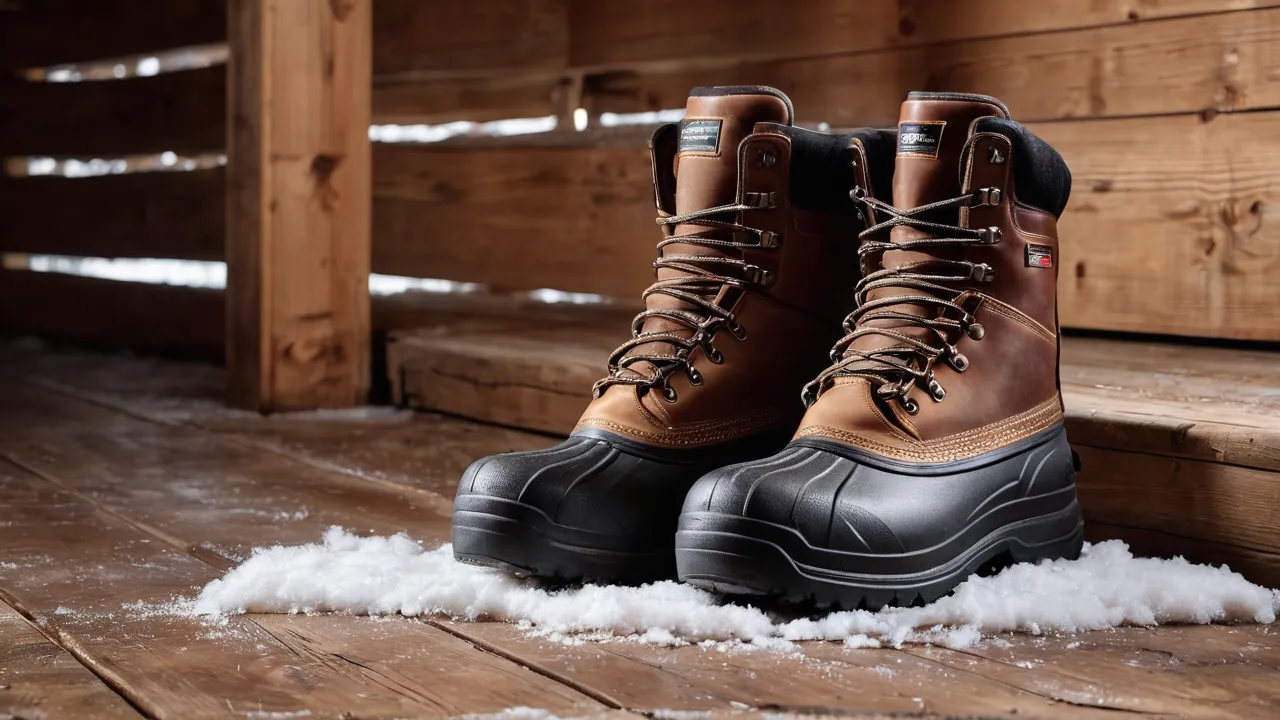
The difference between 200g vs 400g insulation boots is the amount of synthetic fill in the boot. More fill means a thicker, heavier, bulkier boot rather than a guaranteed warmer foot. Choose lighter insulation if you walk or work hard and your feet sweat, and heavier insulation if you stand still, wait outdoors or run cold. Your activity level matters more than the number.
What the gram number measures
Gram ratings on winter boots usually describe the weight of synthetic insulation, often per square meter of material, used in the boot’s upper. A higher number means more fill, which traps more air and slows heat loss. It is a statement about how much insulation was used, not a measurement of how warm you will be.
Several things the number leaves out matter as much as the grams:
- Where the insulation sits: some boots insulate the whole upper, others only the toe box or ankle.
- What the sole contributes: a thick midsole and a good footbed keep the cold ground from reaching your foot.
- The liner and sock: a wool sock adds warmth that the gram number does not describe.
- Compression: insulation loses loft when squeezed, so a snug boot with thick socks can be colder than a roomier one.
- Brand differences: makers use different materials, so 200 grams from one maker is not the same as 200 grams from another.
Treat the number as a rough way to sort a maker’s own line, not as a universal scale.
Fill types and other insulation
Not all insulation is synthetic fill. Some boots use wool felt, shearling or a foam layer instead. Synthetic fill keeps insulating when damp and dries quickly. Wool felt is warm and handles moisture well but is bulky, and it takes a long time to dry if it gets soaked. Shearling feels warm quickly and breathes well but can mat down with wear. A boot with no gram rating at all is not necessarily colder, since it may use a different system. Ask the maker how the insulation is built and whether the liner can be removed.
Why activity changes the answer
Your body produces heat when you move and loses it when you stop. A boot that keeps a hiker comfortable at a brisk pace may leave a person waiting at a bus stop cold. The reverse is also true: a heavily insulated boot on a person who is shoveling or walking briskly can cause sweat, and damp feet get cold quickly once you slow down.
Think of three activity profiles.
High activity
Shoveling, brisk walking, snowshoeing, long hikes and active work generate heat. Lighter insulation lets moisture escape and keeps feet from overheating. Many people in this group do well with the lighter option and a good wool sock.
Moderate activity
Dog walking, commuting on foot and moving between indoor and outdoor spaces sit in the middle. Either weight can work, and the choice depends on how long you spend outside and how cold your feet run.
Low activity
Standing at a sporting event, waiting for transit, ice fishing and working at a fixed outdoor station are low heat tasks. Heavier insulation helps because your body is not producing much heat.
Sweat is the hidden problem
Sweat is the reason heavier is not always better. Moisture in a boot reduces insulation value and carries heat away. A foot that sweats in a heavily insulated boot during a long walk will feel warm until you stop, and then feel cold.
Ways to manage it include wearing moisture wicking socks, avoiding cotton, changing socks during the day if you can, and choosing a boot with a breathable liner. Boots with removable liners dry faster overnight. If you are prone to sweaty feet, a lighter boot with a warm sock often outperforms a heavier boot with a thin sock.
How socks and fit interact with insulation
A thick sock in a boot that was sized for a thin sock compresses insulation and limits circulation. Both reduce warmth. If you plan to use heavy socks, size the boot to fit them, as we explain in our guide to winter boots. A boot with more insulation is often larger in volume, so try them on with the socks you plan to wear.
Fit also affects how much warmth you get from the same fill. A roomy toe box lets air circulate and allows toes to move. A tight boot restricts blood flow, which makes feet colder even with heavy insulation.
Mistakes buyers make with grams
The most common mistake is buying the highest number for a mild climate and then wearing the boot through every cool day. Another is comparing grams across brands as if they were a standard unit. A third is judging warmth in a store, where the room is heated and you are sitting down. Try boots on, walk around, and think about how your feet feel after an hour, not after a minute. A fourth is ignoring the sole: a thin outsole lets cold travel up from the ground even with heavy upper insulation, which is why standing on frozen concrete can chill feet in a boot that feels warm on snow.
Choosing by situation
| Situation | Lean toward |
|---|---|
| Brisk walking, shoveling, snowshoeing | Lighter insulation |
| Mixed commuting with indoor stops | Lighter to middle |
| Standing outdoors, spectating, ice fishing | Heavier insulation |
| Cold prone feet, long waits | Heavier insulation |
| Wet slush, mild temperatures | Waterproof first, insulation second |
Use the table as a starting point, and remember that wind, wet ground and time spent outside change the picture. A windy platform feels far colder than a sheltered street at the same air temperature, and damp ground pulls heat out of a boot faster than dry snow does. A footbed that you can replace, or a spare pair of insoles with a reflective or felt layer, is a low cost way to add warmth without buying a heavier boot. If you are between two, pick the lighter boot and add a warmer sock, because you can add warmth but you cannot remove bulk. If you routinely stand in the cold, choose the heavier boot and plan on a roomier size.
A word on temperature claims
Some makers print a temperature rating next to the gram number. Those ratings are not standardized, so use them cautiously and cross check against your activity level. Our buying guides explain how to read those claims. Do not assume that 400 grams means a specific low temperature is safe for you.
Worked examples
A dog walker covers two miles at a brisk pace in the morning and spends the rest of the day indoors. The body produces plenty of heat, so a lighter boot with a wool sock is enough, and a heavy boot would make the feet sweat.
A parent stands at a cold sideline for ninety minutes. Little heat is produced and wind blows across the field, so heavier insulation, a thick footbed and a roomier fit matter. A wool sock and a spare pair for the car ride home help.
A shift worker waits outdoors at a transit stop twice a day and sits in a warm vehicle in between. A middle weight boot with removable liners suits, since the liners can be dried between trips, and the heavy option would be too warm in the vehicle.
A winter hiker moves steadily on trails and stops briefly for photos. The lighter option works while moving, and an extra layer for the feet, such as a spare dry sock, covers the stops.
For each case, ask how much heat you produce, how long you are still and how wet the boots get. Those three answers pick the weight better than the number does.
Who should choose which
Choose the lighter option if you are active outdoors, sweat easily, or wear your boots in mild winters or indoor to outdoor transitions. Choose the heavier option if you stand still outside, run cold, or live where winter is long and cold. Skip the heaviest boot if you will wear it in a warm vehicle or building most of the day, since it will be too hot. Skip the lightest boot if you rely on it for long, still exposure. For how we approach claims like these, see our review approach.
Frequently Asked Questions
Is 400g insulation warmer than 200g?
It has more fill, so it is usually thicker and holds more heat when you are still. But warmth also depends on the sole, socks, fit and moisture. If you are active and sweat, a lighter boot with a warm sock can feel better than a heavier one.
What insulation grams do I need for winter boots?
Match grams to activity. Lighter fill suits brisk walking, shoveling and mild winters. Heavier fill suits standing, waiting outdoors or cold prone feet. Gram counts are not standardized across makers, so also check the sole, liner and temperature range claims.
Can boots be too warm?
Yes. A heavily insulated boot on a person who is moving can cause sweat, and damp feet then chill when you stop. Choose lighter insulation for high activity, and manage moisture with wicking socks, removable liners and a spare pair of socks.
Does a higher gram number mean a warmer boot in all conditions?
No. The number measures how much fill the maker used, not how warm you will be. Wind, wet ground, the sole and fit all change the result, and different makers use different materials, so compare grams within one brand more than across brands.
Final Thoughts
Grams describe how much fill is in the boot. Warmth comes from that fill, plus socks, fit, sole and how much heat your body makes. Pick the weight that matches your activity, keep your feet dry, and choose the lighter boot when you are unsure.
Related buying guides
- Winter Boot Sizing: Should You Size Up for Warmth
- Winter Boot Temperature Ratings: How Reliable Are They
- Winter Boot Traction: Lugs, Rubber Compounds and Ice
About the author

The BuyOnceChoice Editorial Team researches durable products worth buying once. Our guides compare published specifications, warranty terms, expert review consensus, and verified owner feedback. We do not conduct our own product trials. See How We Review and our Editorial Policy for our standards.