Waterproof vs Water Resistant Winter Boots
Waterproof and water resistant mean different things in winter. Learn what seams, membranes and shaft height do, and how salt shortens the life of both.
 By BuyOnceChoice Editorial Team
Updated November 16, 2026
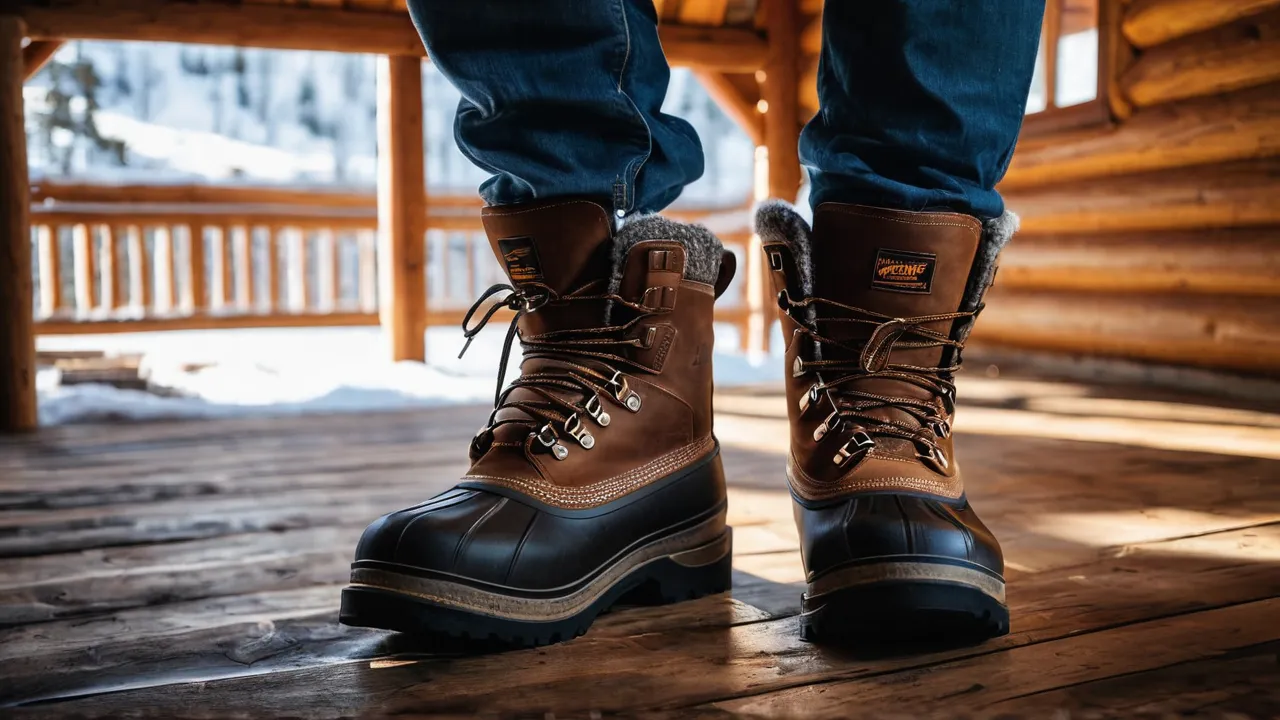
Waterproof vs water resistant boots comes down to how long water has to stay out. Waterproof winter boots keep water out under prolonged exposure through a membrane or a sealed shell with taped seams. Water resistant boots shed light snow and splashes but let water in once soaked. For slush, wet snow and standing water, choose waterproof. For dry cold and short outings, water resistant may be enough. Shaft height, seam sealing and salt care matter as much as the label.
What the two terms really mean
Makers use these words loosely, which is why buyers get confused. Water resistant describes a material or treatment that slows water, such as a coated fabric or treated leather. It protects against light rain, dry snow and splashes. Waterproof describes a construction that blocks water entering through the upper, seams and tongue, up to a stated height. The difference shows up when you stand in slush or snow that melts against the boot.
Neither term is a regulated standard on its own, so look at the construction. A product page that names a membrane, taped seams and a gusseted tongue gives you real information. A page that just says waterproof leaves you guessing.
Seams, membranes and shells
Water gets in at the weak points. Stitching holes, the tongue opening, the sole joint and the top edge are the common paths. A waterproof boot deals with these through taped or bonded seams, a bootie membrane or a molded rubber lower that has no stitching below the waterline.
A rubber shell with a leather or fabric upper is waterproof because the lower is a single piece. A membrane lined boot keeps water out through a thin film between layers, which also breathes a little. Seam sealing adds protection where stitching passes through the material. Check which of these the boot uses, and where they end.
How seam sealing and membranes fail
Seam tape is glued over the stitching on the inside of the boot. With repeated flexing, especially at the ball of the foot and the ankle crease, the glue can lift and let water through. Heat and salt speed the process. A membrane can fail if the lining is punctured by a sharp object, if the boot is bent past its limit or if grit grinds against it. Once a membrane is damaged, it cannot be repaired, and the boot leaks even if the outer material looks fine. Leather treatments wear off with use and need renewal, and fabric coatings fade with washing and abrasion.
Signs of failure include damp socks after short exposure, a cold wet toe after a puddle and wet spots on the lining near seams. If you notice these, dry the boot, find where it leaks by looking for damp patches and decide whether a treatment can help.
Treatments that help and ones that do not
Spray on water repellents for fabric and nubuck refresh the outer surface and help water bead. They do not fix a failed membrane. Wax and oil treatments for smooth leather help shed water and condition the leather. Seam sealers, sold for tents and some footwear, can reduce leaks at stitching if applied correctly, though they may not suit every boot. Follow the maker’s care instructions, since some products clog breathable membranes. Our work boot waterproofing guide explains how treated leather and membranes behave.
Shaft height, gaiters and the top edge
No boot is waterproof above its top edge. Slush and deep snow can enter over the collar, and a tall shaft is not much use if it is loose. A snug cuff, a drawcord or a gaiter keeps snow out. Our snow boot shaft height guide explains how to choose height by snow depth.
A waterproof boot can leak if the tongue is not gusseted all the way up, or if the membrane has been damaged by creases or abrasion. Inspect the flex zone and seams over time.
A gaiter is a fabric sleeve that wraps the lower leg and the boot’s top, keeping snow and slush out. Many winter boots have a drawcord or a built in snow collar for the same purpose. Wearing waterproof pants over the boot, not tucked into it, also sheds water outward. If you tuck pants into the boot, water can run down the leg and into the boot. Check how the boot closes. A tongue that is gusseted to the top and a lace cover protect the front, and a zipper or hook and loop closure over laces adds a barrier.
Salt, slush and why boots fail
Road salt is hard on boots. It dries out leather, stains the surface, corrodes eyelets and attacks stitching. Slush carries salt into seams, where it stays. Waterproof boots are not immune, since salt can degrade seam tape and glue and reduce the finish on leather.
Rinse salt off promptly with a damp cloth and clean water, let the boots dry at room temperature and condition leather afterward. Do not use a heater.
Warm lining versus waterproof shell
A warm lining does not make a boot waterproof, and a waterproof shell does not make it warm. Winter comfort needs both, and some combinations trade one against the other. A heavily insulated boot with a fabric upper can be warm but soak through in slush. A waterproof rubber boot with a thin liner can stay dry but feel cold. Look at both features and match them to your conditions.
Worked examples
A city commuter crosses slushy curbs every morning and stands at a bus stop. Salt and standing slush are the issue, so a waterproof boot with a gusseted tongue, a rubber or sealed lower and a finish that tolerates salt fits. A quick rinse each evening protects the seams.
A suburban parent stands at a cold playground in dry snow for an hour. The snow does not melt against the boot, and the main need is warmth. A water resistant, well insulated boot may be enough, with waterproofing optional. If the snow turns wet, the same boot will start to leak.
A homeowner shovels wet snow and breaks ice at the edge of the driveway. Water sits against the boot for long periods, so waterproof construction with a high shaft and snug cuff is worth the extra cost, and pants should go over the boot top.
A winter walker takes a dry trail on cold mornings. Breathability matters, since sweat is the main source of wet feet, and a water resistant leather boot with a wool sock may feel drier than a sealed membrane boot.
In each case, think about how long water touches the boot, and whether snow melts against it. Short contact favors water resistant, and long contact favors waterproof.
Comparison and decision rules
| Feature | Waterproof | Water resistant |
|---|---|---|
| Light snow and splashes | Handles well | Handles well |
| Slush and wet snow | Keeps water out up to the top | Leaks over time |
| Standing water | Handles up to shaft height | Not suited |
| Breathability | Lower with membranes | Usually higher |
| Care | Seams and finish need attention | Treatment needs reapplication |
- Wet cities with slush and salt: waterproof with a gusseted tongue and a salt friendly finish.
- Dry cold climates: water resistant can be enough, and breathes better.
- Shoveling, snowblowing and long outdoor work: waterproof with a high shaft.
- Short walks and car to door trips: water resistant is fine.
- Kids who jump in puddles: waterproof with a rubber lower.
- Wide calves: check shaft fit.
Children jump in puddles and sit in snow, so waterproof construction with a high shaft makes sense, along with a liner that dries quickly. Commuters need a boot that handles slush and salt but also feels comfortable indoors. Workers spend long hours outdoors, so they need construction that handles prolonged exposure and a boot that can be dried and rotated daily.
A short checklist
- Is the construction waterproof or water resistant, and how high does it go?
- Are seams sealed or taped?
- Is the tongue gusseted to the top?
- What is the lower made of, rubber or stitched fabric?
- How does the maker advise cleaning after salt exposure?
- Can the sole be replaced when it wears?
A few minutes with this list tells you more than the label does. See the clothing and footwear section and how we review for related guides.
Frequently Asked Questions
Are water resistant winter boots enough for snow?
For dry snow and short outings, often yes. In wet snow, slush or long exposure, water resistant boots let water in once soaked. Choose waterproof construction with sealed seams and a gusseted tongue for those conditions, and check the shaft height.
Do waterproof boots keep your feet dry forever?
No. Seam tape, membranes and treatments wear with flexing, salt and heat, and no boot is waterproof above its top edge. Rinse salt, dry boots at room temperature, re-treat leather when water stops beading, and replace boots that leak after repair attempts.
Are waterproof boots warm?
Not by themselves. Waterproofing keeps water out, while insulation keeps heat in. Winter comfort needs both. Check the liner, sole and fit as well, and expect membrane boots to breathe less, which can leave feet damp from sweat in active use.
Can I make water resistant boots waterproof?
Treatments can improve water resistance, but they do not turn a stitched, untaped boot into a sealed one. Sprays and waxes refresh the surface. For long exposure to wet conditions, a boot built waterproof is more reliable, and it is worth paying for if your winter is slushy.
Final Thoughts
Match the label to the conditions. Waterproof is the right choice for slush, wet snow and long exposure, and water resistant is enough for dry cold. Look at seams, tongue and shaft, rinse salt promptly and care for the finish. A boot is only as waterproof as its weakest seam.
Related buying guides
- How to Dry and Care for Winter Boots Between Seasons
- Winter Boot Insulation Explained: 200g vs 400g vs 600g
- Winter Boot Sizing: Should You Size Up for Warmth
About the author

The BuyOnceChoice Editorial Team researches durable products worth buying once. Our guides compare published specifications, warranty terms, expert review consensus, and verified owner feedback. We do not conduct our own product trials. See How We Review and our Editorial Policy for our standards.