Air Compressor CFM vs PSI: What Actually Matters
Max PSI sounds like power but CFM at a working pressure decides whether a tool keeps running. Learn to read both numbers on a compressor label.
 By BuyOnceChoice Editorial Team
Updated November 16, 2026
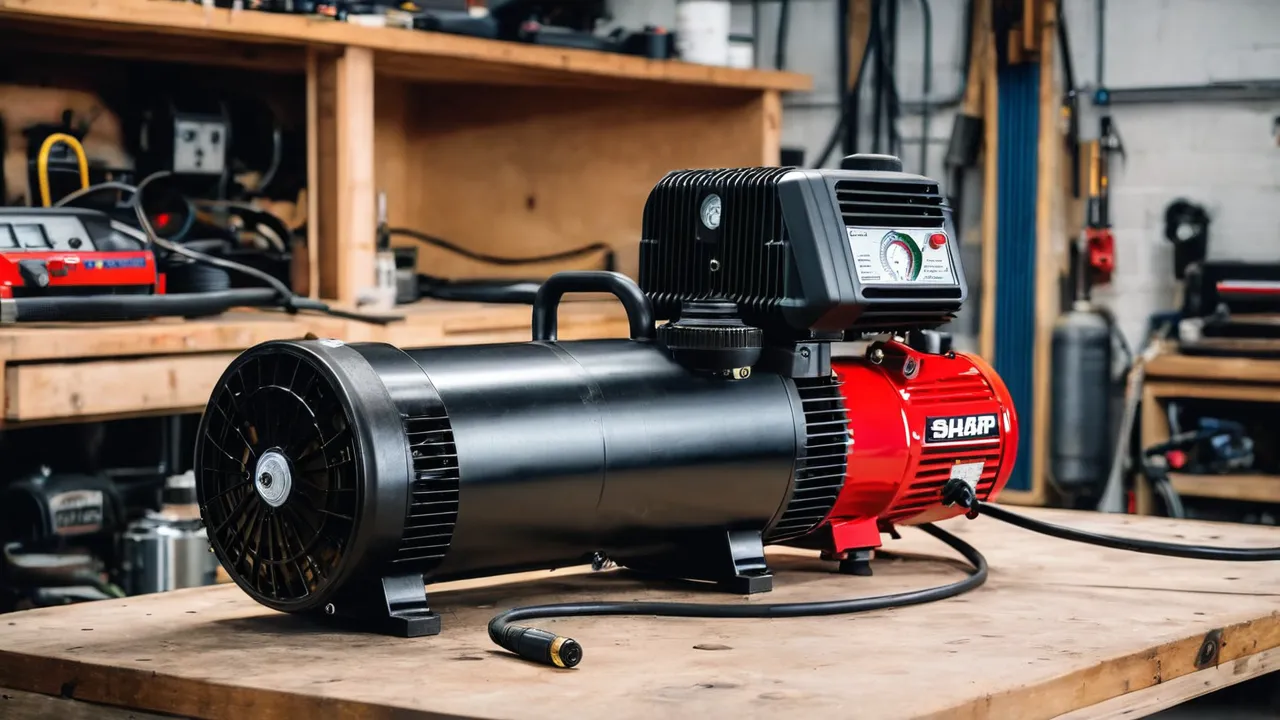
Air compressor CFM vs PSI is the difference between how much air a compressor delivers and how hard that air pushes. CFM is the volume of air delivered each minute, and PSI is the pressure it is under. Most air tools need a working pressure around 90 PSI that nearly every compressor can reach, so the CFM rating at that pressure is the number that tells you whether a tool will keep running. A high maximum PSI on the box says very little about real capability.
The common misreading of max PSI
Compressor boxes often print maximum pressure in large type. That figure is the pressure at which the pump stops and the tank is full, not a measure of work. A small pump can reach a high tank pressure slowly and still be unable to feed a tool that uses air continuously. The tool cares about how much air arrives each minute at its operating pressure, and the tank only stores what the pump has already made.
Think of a garden hose. Pressure is how hard the water pushes, and flow is how much comes out. Two supplies can have similar pressure and do very different jobs because of flow. Air tools work the same way: a tool that spins or hammers consumes air steadily, so flow must keep up.
Terms such as peak horsepower and max pressure are designed to sound impressive, but neither tells you the flow at a working pressure. The only fair comparison between two machines is a CFM rating at the same pressure. If that line is missing from the spec sheet, the manual or the maker’s support page often has it.
How to read CFM at 90 PSI
Look for a rating written as a number followed by CFM at 90 PSI, or sometimes at 40 PSI. The 90 PSI value is the usual standard for comparing tool demand, because most tool manuals state consumption at that pressure. The 40 PSI figure is higher and more flattering, since a compressor delivers more air at lower pressure, so compare like with like.
Some labels list SCFM, standard cubic feet per minute, a value corrected to standard conditions so that models can be compared. If a label gives CFM with no pressure, treat it as unclear and ask. A rating without a pressure reference cannot be matched to a tool.
The ratio rule
Divide the compressor’s CFM at 90 PSI by the tool’s demand at the same pressure.
- Below 1.0: the pump cannot keep up, and the tool slows as the tank drains.
- Around 1.0 to 1.2: the pump keeps up only just and runs constantly.
- 1.5 or more: the compressor cycles on and off, which is healthier for the motor and quieter overall.
For example, a sander that calls for 6 CFM at 90 PSI paired with a compressor rated 4 CFM at 90 PSI gives a ratio of about 0.67. That tool will stall after the tank drains, no matter how large the tank is. Aim for margin, especially for long stretches of work.
Tool demand figures are often stated at full trigger. Real jobs include pauses, so an intermittent job may need less than the printed figure. Even so, the printed number is the safe planning value.
Match the compressor to the tool
Tool manuals list air consumption at a working pressure, often under air requirements. Intermittent tools such as nail guns and inflators use air in short bursts, so a small compressor with modest CFM can keep up. Continuous tools such as sanders, grinders, paint sprayers and die grinders use air constantly and need a compressor whose CFM exceeds the tool’s demand with margin.
- Nail gun or brad nailer: short bursts, small tank and modest CFM are workable.
- Tire inflator: short bursts, almost any compressor works.
- Impact wrench: bursts but heavy, higher CFM helps with stubborn fasteners.
- Orbital sander: continuous, CFM matters more than tank size.
- Paint sprayer: continuous, check the gun’s CFM at the stated pressure.
- Die grinder: continuous and high demand, needs a robust compressor.
Add up the demand if you plan to run two tools at once, though most home shops use one at a time. Altitude and heat change things a little: thin air at altitude means slightly less effective flow, and a hot shop reduces output and raises moisture. If your work area is unusual, plan for extra margin.
Where the tank fits in
A larger tank does not increase the compressor’s CFM. It stores air, so a tool can draw above the pump’s output for a while. For short jobs, a bigger tank covers the gap and the pump cycles less often. For continuous work, once the tank is drained, the tool is limited by what the pump delivers. That is why a compressor with a big tank and a weak pump can run a nailer all day but lose to a sander after a minute.
Tank size also affects recovery time, the wait while the pump refills to its cut-out pressure. A larger tank takes longer to refill but cycles less often. A trim carpenter using a finish nailer can work happily with a small tank and low CFM, since the pump refills between nails. A body shop worker running a dual action sander all day needs CFM above the sander’s demand, because no tank bridges hours of steady use. The air compressor guide discusses these trade-offs for home shop use.
Regulators, hoses and pressure at the tool
The pressure at the tool is set by a regulator and reduced by the length and diameter of the hose. A long, narrow hose causes pressure drop, so a tool sees less air than the compressor produces. Set the regulator to the tool’s rated pressure and never exceed it. Fittings and hoses with a large enough inner diameter help keep flow up, and the air compressor category covers hose and accessory choices.
Small quick-connect couplers and narrow hoses throttle flow even when the compressor is capable. Match the coupler and hose inner diameter to the tool’s inlet, and keep hose runs short. A coil hose is convenient but restricts flow more than a straight hose of the same size. If a tool seems weak, check the regulator setting and the coupler before blaming the compressor.
Questions to ask before you buy
Write down the tool you will run most, find its air requirement in the manual, and then check three lines on the compressor listing: CFM at 90 PSI, tank size and duty cycle. If CFM at 90 PSI is missing, look at the manual or ask the maker. Be wary of horsepower claims that are not tied to a continuous rating. Then add margin for hose losses and for a second tool you may buy later.
Safety notes
Compressed air stores energy, so follow the manual. Never exceed a tool’s rated pressure, drain the tank after use, wear eye and hearing protection, and check the safety relief valve according to the maker’s directions. Do not point air at skin. Pressure vessels need inspection if they show rust or damage, and anything unclear should go to a qualified service center.
Reading a spec sheet in practice
Spec sheets mix several numbers, and a quick routine helps. First locate CFM at 90 PSI, and note whether it is SCFM. Next locate the tank size in gallons and the pump type, such as oil-free or oil-lubricated, since that affects noise and upkeep. Then locate the motor’s electrical draw, usually in amps, and compare it with your outlet and circuit. A compressor that trips the breaker is useless regardless of CFM.
Watch for a few warning signs. A listing that shows only peak horsepower and max PSI leaves out the number you need. A listing that gives CFM at 40 PSI only is showing the flattering figure. A very large tank paired with a very small CFM suggests a slow-to-refill machine suited only to short bursts. When two models look alike, the one with the higher CFM at 90 PSI and the same tank is the stronger pick for continuous tools.
Finally, think about the tools you may add later. A compressor sized exactly for a nailer will not run a sander, and replacing it costs more than choosing a little extra CFM at the start. If a die grinder or sprayer is on your possible list, size for it now.
Frequently Asked Questions
What CFM do I need for an air compressor?
It depends on your most demanding tool. Find its air requirement at 90 PSI in the manual, then choose a compressor whose CFM at 90 PSI is higher, ideally by half again for continuous tools. Nailers and inflators need far less than sanders, grinders and sprayers.
Is higher PSI better on an air compressor?
Not for power. Maximum PSI describes the top tank pressure, while most tools run at around 90 PSI set by a regulator. A higher maximum gives a little more stored air in the tank, but CFM at a working pressure decides whether the compressor keeps up.
What is the difference between CFM and SCFM?
SCFM is CFM corrected to standard conditions of temperature, pressure and humidity, so ratings are comparable between models. CFM alone can vary with conditions. Either way, look for the pressure it was rated at, and compare tool demand and compressor output at the same pressure.
Does a bigger tank give more CFM?
No. A bigger tank stores more air for bursts and reduces how often the pump starts, but the pump’s output stays the same. For continuous tools, choose by CFM at 90 PSI first and tank size second.
Final Thoughts
Ignore max PSI as a power rating and read CFM at 90 PSI instead. Match that number to the continuous tools you plan to run, add margin, and let the tank handle bursts. Use a regulator and a hose that keep pressure at the tool. That avoids the most common air compressor buying mistake. For how we compare specs, read how we review.
Related buying guides
- Air Compressor for Impact Wrench and Tire Work: Sizing
- Air Compressor for Paint Sprayers: CFM and Tank Needs
- Air Compressor for Blowing Out Sprinklers: Size Rules
About the author

The BuyOnceChoice Editorial Team researches durable products worth buying once. Our guides compare published specifications, warranty terms, expert review consensus, and verified owner feedback. We do not conduct our own product trials. See How We Review and our Editorial Policy for our standards.