Oil Free vs Oil Lubricated Air Compressor for the Garage
A home shop view of oil free and oil lubricated compressors: noise, upkeep, longevity, painting needs and how to pair each with air tools.
 By BuyOnceChoice Editorial Team
Updated November 16, 2026
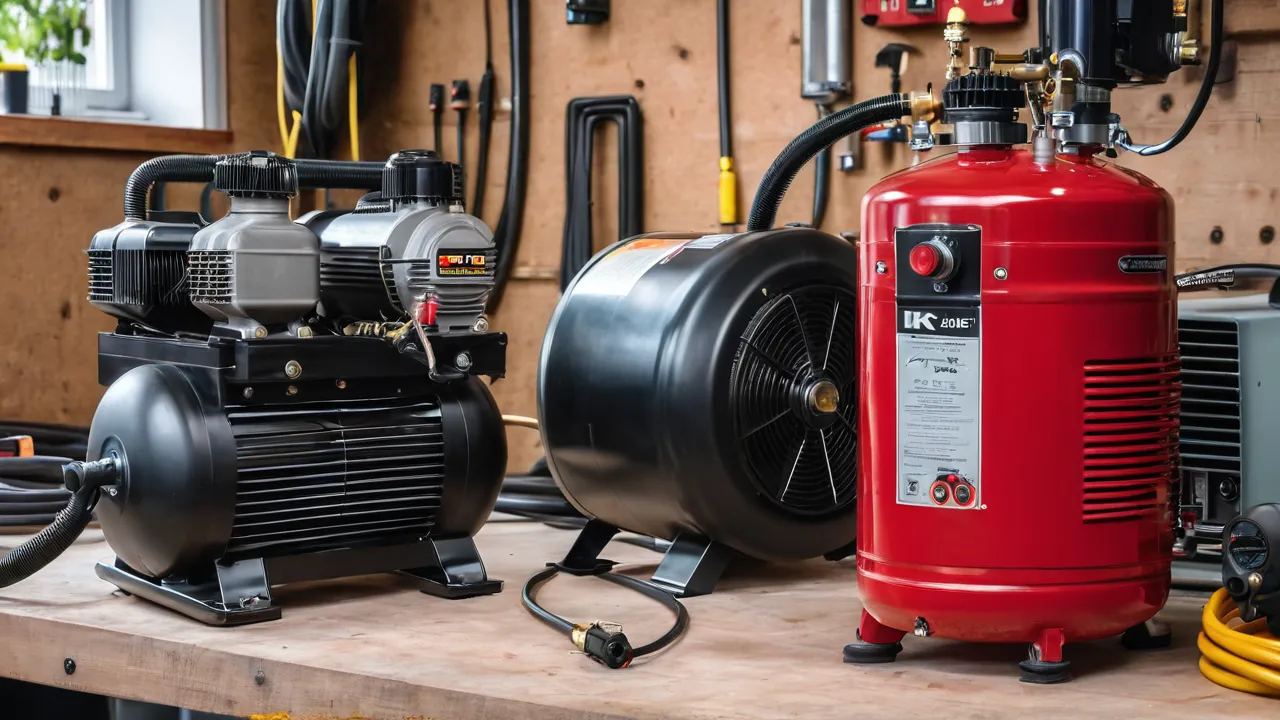
For a home garage, an oil-free compressor suits occasional jobs, tight budgets and anyone who wants no oil changes, while an oil-lubricated compressor suits frequent use, quieter operation and a machine you expect to keep for a long time. The trade-off is simple: oil-free trades durability and noise for convenience, and oil-lubricated trades convenience for a calmer, longer-lived pump.
How the two designs work
An oil-lubricated compressor has a crankcase with oil that lubricates the piston, rings, bearings and cylinder wall, much like a small engine. The oil carries heat away and reduces wear. A dipstick or sight glass shows the level, and the oil has to be changed on the schedule in the manual.
An oil-free compressor uses sealed bearings and low-friction coatings on the piston and cylinder, so no crankcase oil is needed. That removes the oil change, the dipstick and the risk of oil carryover into the air line, but the parts that rub rely on their coatings, which wear.
Most small portable compressors, such as pancake and hot dog models, are oil-free. Larger stationary compressors with cast iron pumps are usually oil-lubricated. That pattern is a tendency, not a rule, so read the spec sheet for the exact model you are considering.
Noise
Oil-free compressors tend to be louder, because the pumps run at higher speeds and have no oil to cushion moving parts. Oil-lubricated pumps usually run at lower speeds and the oil film softens the sound, so they are often quieter at the same output. Spec sheets state noise in decibels measured at a stated distance, and the distance matters. If the compressor will run in an attached garage, near a bedroom or in a basement, noise is a real part of the choice. Some oil-free models are built as quiet units with enclosures, so check that specific rating instead of assuming by type.
To compare two sound ratings fairly, make sure both are stated at the same distance and ask whether the number is measured under load. Hearing protection is worth wearing for either type during long sessions.
Longevity and what wears out
Makers of oil-free compressors typically state shorter expected service lives than the makers of comparable oil-lubricated machines, since the coatings wear. Treat any specific hour figure with caution and read what the manufacturer actually publishes and what its warranty covers. For a homeowner who runs the machine a few hours a year, either design is more than adequate, and the pump may outlast other parts of the compressor such as the pressure switch.
For daily or long use, an oil-lubricated, cast iron pump is the usual way to buy years of service. It also has the benefit of rebuildable parts on many models, whereas an oil-free pump is often replaced as a unit when it wears out. Parts availability for the brand deserves more weight than the label.
A practical way to judge life is to look at three things on the product page or manual: the warranty length for the pump, whether replacement pumps, rings and valves are sold, and the duty cycle the maker states. A pump that is expected to run only part of each hour will wear sooner if you run it nonstop.
Maintenance and running cost
Oil-lubricated machines require regular oil checks and changes. Use the oil type the manual specifies, since the wrong grade harms the pump or fails to flow in cold. Keep the compressor level so the oil reaches all parts, and check for leaks and a milky color, which signals water. Oil-free machines skip that routine, which suits people who forget to maintain tools. Both types need the same upkeep for the tank and accessories: drain moisture, clean or replace the air filter, check hoses and fittings.
Over a few years the oil and filter costs of an oil-lubricated unit are small, but the time cost matters to some owners. If you know you will skip maintenance, an oil-free compressor protects you from yourself.
Cold weather, storage and transport
Garage temperatures swing, and the two designs react differently. In deep cold, oil thickens and an oil-lubricated pump can be hard to start, so the manual may recommend a specific oil grade or advise warming the garage first. Oil-free pumps avoid that problem but their motors still labor on a cold start, and moisture in the tank can freeze. If you move the compressor in a truck bed, an oil-free unit tolerates tipping and tilting better, while an oil-lubricated unit should travel upright so oil stays where it belongs. Store either type with the tank drained and the regulator backed off, and keep it off bare damp concrete when possible.
What about hybrids and sealed-oil designs?
Some compressors use permanently sealed or oil-free pumps with larger cast bodies, and others are oil-lubricated but built for portability. Labels like these vary by brand, so read the manual to see what maintenance the unit expects and what the maker says about expected service life, instead of relying on the category name alone.
Air quality and painting
A lubricated compressor can pass a trace of oil into the compressed air, called carryover. For tire inflation or nailing that does not matter. For paint, clear coat or other finishing, oil contamination leaves fish-eye defects. Fit an inline filter or coalescing filter and a dryer for these jobs, regardless of the compressor type. An oil-free compressor starts with less oil in the stream, but moisture remains an issue in any compressor, so the dryer and filter are needed anyway. Neither type is a source of breathing air. Do not use compressed air for breathing unless the system is specifically designed and rated for it.
Pairing with air tools
Many air tools need a few drops of tool oil at the inlet or an inline oiler, and that is true whether the compressor is oil-free or not. An oil-free compressor does not mean you can ignore tool lubrication. Check each tool manual: impact wrenches, ratchets and grinders usually call for oil. Nailers and spray guns may call for specific oils or none at all, so follow the manual. Avoid using an inline oiler on a line that feeds a spray gun.
Who should choose which
- Choose oil-free if you use the compressor a few times a year, need it lightweight and portable, or want zero oil maintenance
- Choose oil-free for a small kit used to inflate tires and drive nails, where noise matters less than convenience
- Choose oil-lubricated if you run it for long sessions, want a quieter machine or intend it to last for many years
- Choose oil-lubricated if you run a stationary shop machine and do not mind checking the oil
- Skip oil-free if you will run it for hours at a time or if noise in a small space will bother you
- Skip oil-lubricated if it will be moved a lot, tipped in a truck bed or neglected
In short, match the design to your hours per year, not to a category label. Many homeowners do best with a compact oil-free unit, and many serious hobbyists with a cast iron oil-lubricated model. The air compressors category covers each type, the best air compressor roundup compares models, and the how we review page explains our approach.
A quick self-check before you buy
Write down how many hours per month you expect to run the machine, where it will sit and whether you will paint. If the answer is under a few hours, a quiet corner is not available and no painting is planned, oil-free is a sound choice. If it is many hours, in a space you share, with paint in the plan, lean oil-lubricated and budget for filters.
Safety
Drain the tank after use, because moisture rusts it from the inside regardless of oil. Many manufacturer manuals call for draining daily or after each use, so follow yours. Inspect the tank for rust, pitting, dents or leaks, and never modify safety valves or run the unit above its rated pressure. Use hearing and eye protection, keep the compressor level and well ventilated, and follow the manual for the electrical circuit. Never point compressed air at skin or use it to clean clothing, and OSHA’s workplace rule on cleaning with compressed air limits the pressure at a blocked nozzle to under thirty psi and calls for chip guarding, and eye protection, a sensible habit at home too. For a 240 volt connection, hire a licensed electrician.
Frequently Asked Questions
Are oil-free air compressors reliable?
They are reliable for light, occasional use such as inflating tires and driving nails, which is what most are built for. Their coated pumps wear faster under long daily use, and many are replaced as a unit. Check the pump warranty and whether parts are sold before buying.
Do oil-lubricated compressors put oil in the air?
A small amount of oil can pass into the air line, called carryover. It does not matter for tires or nailers, but it ruins paint finishes. Use an inline coalescing filter and a dryer for painting, and note that moisture is a problem on oil-free machines too.
Which type is quieter, oil-free or oil-lubricated?
Oil-lubricated machines are usually quieter because their pumps turn more slowly and the oil softens mechanical noise. Oil-free pumps tend to run faster and louder, though some enclosed models are quiet. Compare the decibel ratings at the same stated distance rather than assuming from the category.
Do I still need to oil air tools if my compressor is oil-free?
Usually yes. Impact wrenches, ratchets and grinders typically need a few drops of tool oil at the inlet, no matter what kind of compressor feeds them. Nailers and spray guns may need different oils or none, so follow each tool’s manual and never oil a line feeding a spray gun.
Final Thoughts
Pick oil-free for convenience, portability and occasional use. Pick oil-lubricated for quiet, sustained work and long service life. Check the noise rating at a stated distance, the manufacturer’s service-life statement and warranty terms, and remember that filters and dryers, not the pump type alone, decide whether the air is clean enough for paint. Either design works well when it fits the way you work.
Related buying guides
- Pancake vs Hot Dog vs Vertical Air Compressor
- Single Stage vs Two Stage Air Compressor: Which Lasts
- What Size Air Compressor Do I Need: CFM, PSI and Tank
About the author

The BuyOnceChoice Editorial Team researches durable products worth buying once. Our guides compare published specifications, warranty terms, expert review consensus, and verified owner feedback. We do not conduct our own product trials. See How We Review and our Editorial Policy for our standards.