Air Compressor Safety: Tank, Hose and Noise Basics
Follow a short checklist for pressure relief valves, hose whip, hearing protection, tank inspection and draining to keep a garage compressor safe.
 By BuyOnceChoice Editorial Team
Updated November 16, 2026
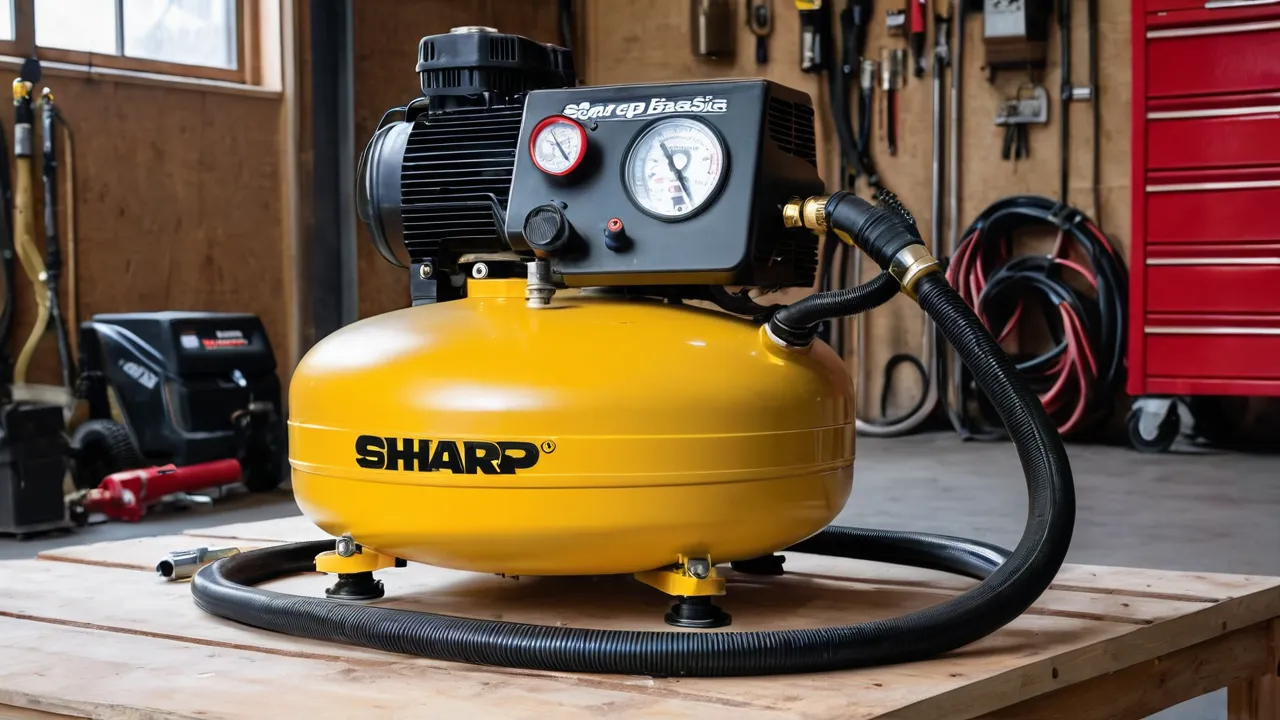
Air compressor safety rests on five habits: keep the pressure relief valve working, drain the tank after every use, inspect the tank and hoses for damage, wear eye and hearing protection, and never point compressed air at people. Follow the owner manual for pressure limits and service steps, and retire any tank that shows rust pits, dents or leaks.
Why compressed air is a hazard
A compressor stores energy in a pressure vessel, and a failure releases that energy quickly. Hoses can whip, fittings can pop off, and a damaged tank can rupture. Even a small leak at high pressure can push air through skin or send debris into eyes. These events are uncommon when machines are cared for, but they are the reasons behind each rule below.
Noise is a second hazard. Compressors and air tools are loud, and hearing damage builds slowly over time. Protection costs very little compared with the harm of ignoring it.
Think of a compressor as an appliance with a pressure vessel attached. Large industrial tanks fall under periodic inspection rules, and home units usually do not, but the same logic applies: the older and wetter the tank, the more attention it deserves. A strip of tape on the shell with the date of your last tank inspection turns the habit into a record.
The pressure relief valve
The safety valve opens automatically if tank pressure exceeds a set limit, which protects the tank if the pressure switch fails. Never adjust, plug or remove it. Most manuals describe a brief manual check, such as pulling a ring while wearing eye and ear protection, at stated intervals. A valve that sticks, leaks or does not open needs replacement before the compressor is used again.
Know where the valve is and keep the area around it clear. Do not cover it or paint it. If it opens during normal running, shut the machine down and have it serviced, since the pressure switch may be failing.
If you add accessories to the air line, such as a second tank or a manifold, make sure every part is rated at least as high as the compressor’s output and that no valve can isolate the safety valve from the tank. A shutoff between the tank and the safety valve defeats its purpose. If you are considering a modification, ask the manufacturer first, and leave the tank itself untouched.
Tank inspection and draining
Moisture rusts the inside of a tank, and you cannot see inside, so outside checks matter. Drain it after every use. Look at the shell for rust, deep pitting, dents, bulges and leaks, especially around welds and the bottom where water collects. Check the data plate for the maximum pressure rating and make sure it is still legible.
Never weld, drill or patch a tank, and never use a tank for anything other than the compressor it came with. If the tank looks compromised, retire it and replace the compressor or the tank through the manufacturer.
Pay attention to the drain valve. A drain that is seized, clogged or leaking means you cannot get the water out, so the tank is at risk. Replace the valve rather than forcing it. When you drain, open the valve slowly and stand to the side, because the first rush of air and rusty water can spatter. Wear eye protection even for this simple step.
Hoses, couplers and whip risk
A hose that fails under pressure can lash around, and a coupler that releases can strike hands and faces. Replace any hose with cuts, bulges, kinks or worn ends. Use fittings rated for the pressure and match coupler and plug types. Whip checks and safety clips, where the maker recommends them, reduce risk on larger fittings. Release air pressure from the hose before disconnecting tools.
- Choose a hose rated above the maximum working pressure of the system.
- Inspect hose ends and crimps for cracks or leaks.
- Keep hoses away from heat, sharp edges and vehicle traffic.
- Replace couplers that stick, leak or pop loose.
- Coil hoses loosely for storage and avoid tight kinks.
- Close the tank outlet and bleed the hose before changing tools.
Protective gear and safe handling
Wear safety glasses or goggles rated for impact whenever you use compressed air or air tools, since debris moves fast. Wear hearing protection rated for the noise level of your compressor and tools. Gloves help with hot components and sharp edges, and a dust mask or respirator suits sanding or spraying. Avoid loose clothing and jewelry near moving parts and belts.
Foam plugs are inexpensive and effective when inserted correctly, while earmuffs are quick to put on and off for short jobs. For long sessions, some people use both. If you hear ringing after working, the exposure was too high. Placing the compressor in a separate room with ventilation for cooling also reduces the noise you hear.
Handling compressed air
Do not use compressed air to clean clothes or skin, and never point a nozzle at anyone. Air can push particles into eyes and skin, and high pressure can cause serious injury. When blowing dust off a bench, use the lowest effective pressure, wear eye protection and mind where the debris goes. Do not inflate a tire past its stated maximum, and confirm the pressure with a gauge. For large vehicle tires or damaged wheels, use a clip-on chuck, stand to the side and consult a tire professional.
Teach everyone who uses the garage the basics. Children and guests should know that the air nozzle is not a toy and that a pressurized hose can be dangerous. Shut off and drain the tank when you finish for the day. A compressor left under pressure with a leak can keep cycling overnight, which wastes power and stresses the motor.
Setup, electrical and fire safety
Place the compressor on a stable, level surface with clearance for airflow. Keep it away from gasoline, solvents and other flammable vapors. Use a grounded outlet on a circuit that matches the manual, and avoid long thin extension cords. Keep a fire extinguisher nearby, and keep children and pets away from the machine. Unplug the unit and release pressure before servicing.
For wiring, a pressure switch replacement or a 240 volt hookup, call a licensed electrician or a qualified service center. See the air compressor category for related guides, and the air compressor guide for choosing a model with good serviceability.
A safety checklist to print
- Before starting: confirm the drain is closed, the hose is sound and the regulator is set to the tool’s rating.
- While running: wear eye and hearing protection and keep hands clear of the belt and pump.
- After use: release hose pressure, drain the tank and switch off.
- Monthly: inspect the shell, hoses, couplers and gauges.
- Per manual: exercise the relief valve and service the pump.
- Always: replace damaged parts instead of repairing them with tape.
Before every session
Take thirty seconds to look the machine over. Check that the drain valve is closed, the hose is not cracked, the cord is undamaged and the area is clear of rags and fuel cans. Set the regulator to the lowest pressure the tool needs rather than the maximum, since a lower setting reduces force if something lets go. Confirm that the tool’s rated pressure is above the setting. Switch the compressor on, let it build pressure and listen for leaks before you start work.
What to do when something goes wrong
If a hose fails, shut off the compressor at the switch, close the tank outlet and let the pressure drop before you approach. If the safety valve keeps opening, shut the unit down and call a service center. If you smell burning or see smoke, unplug the unit and keep clear until it cools. If someone is hurt by an air injection injury, even a small puncture, seek medical help right away.
Frequently Asked Questions
Can an air compressor tank explode?
It can rupture if the tank is corroded or damaged, or if overpressure protection fails. Draining after each use, inspecting the shell and keeping the relief valve working make this unlikely. Retire any tank with rust pits, dents or leaks, and never weld or drill it. When in doubt, ask the maker or a qualified service center to inspect the vessel.
How often should I check the safety valve on my air compressor?
Follow the manual, which describes both the method and the interval. A typical check involves pulling the ring briefly while wearing eye and ear protection. Replace a valve that sticks or leaks, and never adjust or plug it. Order a part specified for your model, because valves are rated for a particular pressure.
Is it safe to leave an air compressor on overnight?
It is better not to. A small leak keeps the pump cycling, which wastes power and adds wear. Switch off, drain the tank and release hose pressure after use. Leaving a compressor unattended under pressure raises the risk of a hose or fitting failure.
What safety gear do I need for an air compressor?
Wear impact-rated eye protection and hearing protection whenever you run the compressor or air tools. Add gloves, and a mask or respirator for sanding or spraying. Avoid loose clothing near the belt and pump, tie back long hair, and remove jewelry before you work around moving parts or a running compressor.
Final Thoughts
Compressor safety is a routine, not a mood: check the relief valve, drain the tank, inspect the shell and hoses, wear protection and respect air as stored force. Read the manual, keep the machine in good repair and retire damaged tanks. These steps are quick and protect both the garage and the people in it. For more on how we assess gear, see how we review.
Related buying guides
- How Long Do Air Compressors Last? Lifespan by Type
- How Often to Drain an Air Compressor Tank and Why
- Oil Free vs Oil Lubricated Air Compressor for the Garage
About the author

The BuyOnceChoice Editorial Team researches durable products worth buying once. Our guides compare published specifications, warranty terms, expert review consensus, and verified owner feedback. We do not conduct our own product trials. See How We Review and our Editorial Policy for our standards.