Air Compressor for Blowing Out Sprinklers: Size Rules
Winterizing an irrigation system needs enough air flow but low pressure. See how CFM, zone count and pipe type guide the size, and when renting wins.
 By BuyOnceChoice Editorial Team
Updated November 16, 2026
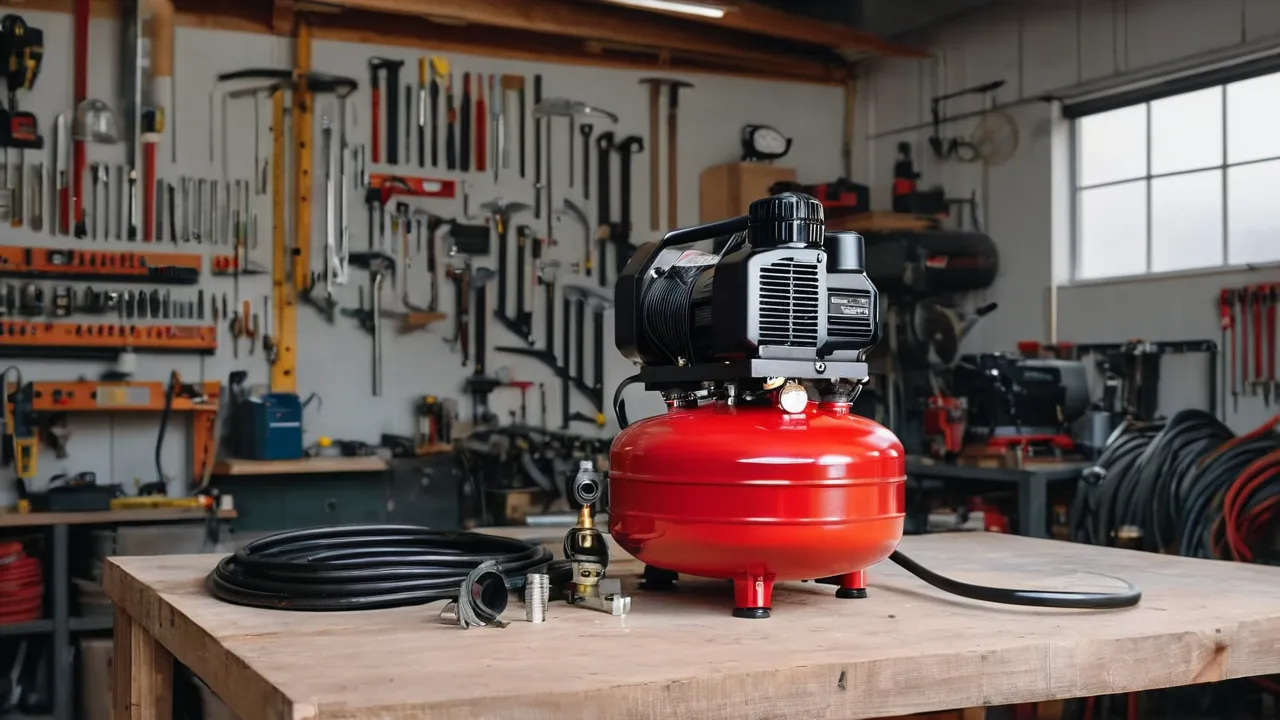
An air compressor for sprinkler blowout needs enough air flow, measured in CFM, to push water out of each zone, while the pressure at the system stays below the limit your irrigation maker sets for your pipe and heads. A larger tank helps, but a regulator and the size of your biggest zone matter more. Check your irrigation manual or installer before you connect anything.
Pressure is the thing to protect
Irrigation pipes, fittings and sprinkler heads are not built for the full pressure a compressor tank can reach. Polyethylene pipe, PVC and the plastic bodies of heads all have pressure limits, and exceeding them can burst a fitting or crack a head. Irrigation makers and university extension guides publish maximum blowout pressures that are far below a compressor’s tank pressure. Commonly cited figures range from about 50 PSI for flexible polyethylene to about 80 PSI for rigid PVC, but sources differ, so confirm the number for your own system.
That is why a regulator is not optional. Set the regulator on the compressor to the lower pressure before you connect the hose, and verify it with a gauge at the connection point. Never rely on the tank gauge, since it reads the tank, not the line.
Many irrigation guides also say to keep the backflow device or filter protected from a surge of air, because it can damage internal parts. Follow the maker’s steps for isolating them. Some systems have a dedicated blowout port, which is the right place to connect. If yours has none, ask the installer where to connect instead of improvising at a hose bib or a valve you are unsure about.
Flow is what clears the water
Because pressure is limited, flow does the work. The air must move at enough volume to push water out of the pipes and past the heads. A compressor with a low CFM rating pushes slowly, and water can settle in low spots. A higher CFM rating clears each zone faster and more completely, which cuts the chance of leftover water freezing and cracking a pipe.
Published guidance on the CFM needed varies widely. Some guides recommend a large unit rated for tens of CFM at moderate pressure, while others describe small systems that clear with far less. Small pancake units are often too weak for long runs of pipe. The safest approach is to ask your installer or check the irrigation manual for a recommended range for your pipe size and zone length.
Zone count and pipe size shape the demand. You blow out one zone at a time, so the demand is for your largest zone, not the whole yard. Larger diameter lines and long runs need more air than short, narrow ones.
A method to size it
- Find the maximum blowout pressure for your pipe type and head type.
- Count the zones and note the largest by pipe length and diameter.
- Choose a compressor whose CFM at the low blowout pressure meets the demand for that largest zone.
- Plan to blow out one zone at a time and let the tank recover between zones.
- Include a regulator, a gauge on the line and a shutoff at the connection.
- Run a few short cycles per zone until the heads show only mist.
A common approach is several short cycles per zone rather than one long push. Repeat the whole sequence if your climate has deep freezes.
Sequence and climate
Sequence matters. Start with the zone farthest from the connection and work toward the nearest, or follow the order the system maker suggests. Open the zone valve at the controller, run the air until the heads stop discharging water, then close it. Do not leave a zone on air for long, since sprinkler heads rely on water to cool and lubricate their seals, and dry running can wear them. Short bursts do the job.
Climate affects how thorough you must be. Where the ground freezes deeply, trapped water in low spots can crack pipe, and a thorough job includes opening manual drain valves at the low points. Where freezes are rare and brief, a lighter job may do. Local irrigation contractors know the frost depth and common practice in your area, and a quick call can save a repair bill in spring.
Rent or buy
A blowout happens once or twice a year, so many people rent a compressor or hire an irrigation company that brings a large unit. Renting avoids storage and maintenance. The trade is annual cost and the need to schedule around the first freeze, when rental units are in demand.
- Rent a compressor: no storage or upkeep, but a yearly cost and limited supply in a cold snap.
- Hire an irrigation pro: experience and a large unit, but a service fee and scheduling.
- Buy a mid-size compressor: useful for many other jobs, but it needs enough CFM, a regulator and fittings.
- Buy a small portable unit: cheap and light, but it may lack the flow for large zones.
If you already own a compressor for other work, check its CFM at the low pressure you will use. Many mid-size shop compressors have enough flow, and a regulator turns a general tool into a winterizing tool. Our air compressor guide can help if you plan to buy for shop use first and winterizing second.
If you rent, ask the shop for the unit’s CFM at the pressure you will use, and bring the fittings your system needs. Ask whether the unit includes a regulator and gauge, and inspect the hose before you leave. If you hire a pro, ask how they regulate pressure and how they protect the backflow assembly. A careful contractor will answer without hesitation.
Connection and fittings
You will need a quick-connect or a threaded adapter that matches the blowout port on your backflow assembly. Use the fitting the system maker recommends. Shut off the water supply first and open the drain valves as the manual directs. A shutoff valve between the compressor and the system gives you control. The air compressor category explains hose and fitting choices.
Before you start, walk the system. Locate the main shutoff, the backflow assembly, the controller and each zone valve box, and note the low drain points. Mark them on a sketch and keep it with the controller manual. That small preparation turns a stressful first freeze into a routine task and helps whoever does the work next year.
In spring, reverse the steps slowly: close drain valves, open the main supply gradually so water pressure builds slowly, and check each zone for leaks. A sudden rush of water into an empty system can hammer fittings and heads.
Safety
Wear eye protection, because heads can eject debris and water, and stand clear of heads that are discharging. Never exceed the system’s rated pressure, and do not use a compressor without a working regulator. Drain the compressor tank after use. If you are unsure of the right pressure or procedure, call a licensed irrigation professional.
A simple plan for first-timers
If this is your first blowout, write down the steps before you start. Shut off the water and drain the main line as the manual directs. Note the pressure limit for your pipe. Set the regulator low, connect, and confirm the gauge reading at the line before you open any zone. Run the first zone briefly and watch how the heads behave. If heads lift and spit steadily, the flow is working. If nothing moves, check the connection and the valve rather than raising pressure.
Plan to finish within one session so that no zone is left half drained. Keep the controller off or set to a rain delay during the job so no valve opens on its own. After the last zone, leave the drain valves in the position the manual recommends for winter, and write the date in the controller manual so next year’s job starts from your own notes.
Frequently Asked Questions
What PSI should I use to blow out sprinklers?
Use the lowest pressure that clears the lines and never exceed your system’s maximum. Commonly cited limits run from about 50 PSI for polyethylene to about 80 PSI for rigid PVC, but check your manual or installer, and regulate the pressure at the connection, not at the tank.
Can a small air compressor blow out a sprinkler system?
Sometimes, for a small system, if you are patient and work in short cycles. Many small pancake units lack the flow to clear long runs of pipe. If your largest zone is long or the pipe is wide, a larger compressor or a rental is the better path.
How many times should I blow out each sprinkler zone?
Run each zone until the heads show only mist, then move on, and repeat the full sequence if your climate has deep freezes. Several short cycles protect the heads better than one long run. Open low-point drain valves too.
Is it cheaper to rent a compressor or hire someone to blow out sprinklers?
It depends on local rates. Renting costs less up front but you do the work and must pick the right pressure and fittings. Hiring costs more but brings experience and a large unit. Ask both for current pricing and compare.
Final Thoughts
Winterizing is about moving enough air at low pressure. Find your system’s maximum blowout pressure, set a regulator, choose enough CFM for your largest zone and work one zone at a time. Rent or hire if you only need the job once a year, and buy only if the compressor will earn its keep elsewhere in the shop. Read how we review to see how we weigh such trade-offs.
Related buying guides
- Air Compressor Hose and Fittings Guide: Size and Type
- Air Compressor Maintenance Checklist: Oil, Filter, Valve
- Air Compressor Safety: Tank, Hose and Noise Basics
About the author

The BuyOnceChoice Editorial Team researches durable products worth buying once. Our guides compare published specifications, warranty terms, expert review consensus, and verified owner feedback. We do not conduct our own product trials. See How We Review and our Editorial Policy for our standards.