Air Compressor Hose and Fittings Guide: Size and Type
Choose air hose by inner diameter and length to limit pressure drop, match couplers and plugs, and pick a material that stays flexible in cold weather.
 By BuyOnceChoice Editorial Team
Updated November 16, 2026
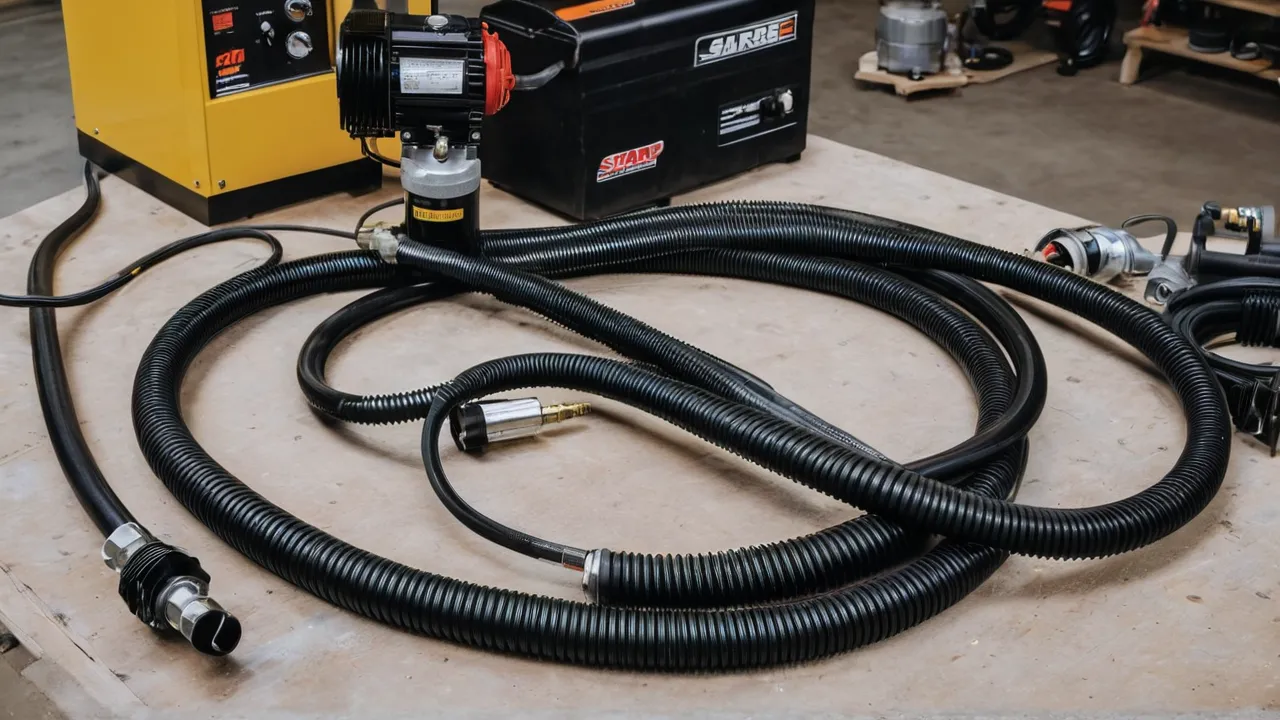
The right air compressor hose size depends on your tool’s air flow and how far the hose must reach. For most garage work a three eighths inch inner diameter is the common choice. A quarter inch hose suits light tools on short runs, and long runs or high-flow tools call for a larger diameter. Match the coupler and plug family, and choose a hose material that stays flexible where you work.
How hose size affects tool performance
Air flowing through a hose loses pressure to friction, so the pressure reaching the tool is lower than the pressure at the compressor. A narrow or long hose causes a bigger drop, especially for tools that use a lot of air. The tool then runs weak even if the compressor is fine. That is why a good compressor can feel underpowered: the hose and fittings are throttling it.
Two things control the drop: inner diameter and length. A longer hose increases the loss, and a smaller diameter makes it much worse. When flow is high, as with a sander or impact wrench, the effect shows quickly.
A simple field check is to watch the regulator gauge while the tool runs. If the reading falls noticeably when you pull the trigger, the hose, couplers or compressor cannot keep up. Swap to a shorter or larger hose and watch the gauge again. It is a cheap experiment that avoids a costly compressor upgrade based on a wrong guess.
Inner diameter in practice
- One quarter inch: inflators, brad nailers and short runs. It restricts high-flow tools.
- Three eighths inch: general garage use and many air tools. A common balance of flow and flexibility.
- One half inch: high-flow tools and long runs. It is heavier and stiffer.
- Large shop lines: plumbed air systems are usually pipe rather than hose.
Tool manuals list a recommended inner diameter, and following it beats guessing. If you own both a nailer and a sander, a three eighths hose is a flexible starting point, and you can add a short whip hose for light tools.
Do not rely on outer diameter. Some hoses have a thick wall, so the outside looks large while the inner passage is narrow. The hose printing or the listing states the inner diameter. Hose with a large outer size but a small inner size is a common disappointment for buyers who compare by eye instead of by label.
Length and pressure drop
Use the shortest hose that does the job. Fifty feet is a common garage length, but extra length adds loss. If you must reach the driveway, consider a larger diameter for the long run with a short whip hose at the tool. Coil hose is convenient, but its internal path is tighter and it throttles flow more than a straight hose of the same listed size.
For permanent setups, hard pipe along a wall with drops at the work areas gives low pressure loss and keeps hoses off the floor. Use only materials rated for compressed air, since some plastic pipes can fail dangerously. Copper, aluminum and purpose-made air systems are common choices, and installation details matter, including slope for drainage and drops taken from the top of the line so water does not run into the tool. If you are unsure, hire someone experienced.
Hose materials
Rubber hose is flexible, handles cold well and resists abrasion, but is heavier. PVC hose is light and inexpensive but gets stiff in cold weather and can kink. Hybrid hose blends the two to stay flexible across a wider temperature range. Polyurethane hose is light and flexible, but check its working pressure and abrasion resistance. In an unheated garage in winter, a rubber or hybrid hose is easier to uncoil.
- Check the maximum working pressure and keep it above your compressor’s output.
- Look at the temperature range printed on the hose.
- Choose a cover that resists abrasion if you drag it over concrete.
- Check the bend radius so you can coil it without kinks.
- Prefer reinforced hose for longer life.
Cold weather needs particular attention. A stiff hose resists coiling and may crack at the bend, so let it warm in a heated area before use and avoid sharp bends. Heat matters too: a hose lying on hot asphalt in summer softens and can burst at the fittings. Store hoses out of the sun, and look for cracks and chalky patches before each season.
Fittings and couplers
Quick-connect couplers and plugs come in a few common profiles, often called industrial, automotive and ARO, and they are not interchangeable. Pick one family and stay with it so every hose and tool plug fits. The coupler also has an internal flow size, and a small one chokes a high-flow tool even on a large hose. Look for full-flow couplers where flow matters.
Threads on fittings are usually tapered pipe threads, which need thread sealant tape or paste. Wrap tape in the direction of the thread so it does not unravel, and avoid over-tightening. Leaks at fittings waste air and make the pump run more. Check connections with soapy water and look for bubbles.
Buy fittings from a single source and keep a few spare plugs and a coupler in a drawer. A leaking plug on a tool seems small, but the lost air makes the pump work harder. If a coupler sticks or leaks, replace it rather than tolerating it. Fittings cost little compared with the compressor, and keeping them in good condition protects the whole system.
Reels, whips and organization
A retractable reel keeps hose off the floor and protects it, but a reel adds fittings and may restrict flow, so choose a large inner diameter. A whip hose is a short, flexible hose between the main line and the tool that keeps the tool maneuverable. Hang hoses on a wide hook, coil them loosely and keep them out of sun and heat. The air compressor category covers related equipment.
Label each hose end with its length and inner diameter using colored tape, and keep a short note of which tools want which size. When a helper grabs a hose in a hurry, the label prevents a mismatch that wastes air and causes frustration.
Quick selection guide
- Occasional tire inflation and a brad nailer: quarter inch, short length.
- General garage with a nailer, ratchet and blow gun: three eighths inch, 25 to 50 feet.
- Sanding, grinding or an impact wrench in regular use: three eighths or one half inch, shortest practical length.
- Reaching a driveway or yard: larger diameter main run with a short whip hose.
- Cold garage: rubber or hybrid hose.
Safety
Use a hose with a working pressure above the system pressure, replace damaged hose, and release pressure before changing fittings. Wear eye protection when connecting and disconnecting, and use whip checks on large couplings if the maker recommends them. Never use compressed air hoses for breathing air. Follow the owner manual for pressure limits.
Diagnosing a weak tool before you buy anything
When a tool feels weak, work from the tool back to the compressor. First confirm the regulator is set to the tool’s rated pressure. Second, watch the gauge while you pull the trigger: a large drop means a restriction. Third, remove any extra adapters and try the tool on a short hose with a full-flow coupler. If performance returns, the old setup was throttling the tool. Fourth, listen for hissing at joints and check for leaks with soapy water. Only after those steps is it worth asking whether the compressor itself is too small, and our air compressor guide helps with that sizing question.
Replacement schedule
Hose does not last forever. Replace it when the cover is cracked, the reinforcement shows through, the ends are loose in the crimp, or the hose stays kinked after you straighten it. Check fittings on the same schedule. Rubber hose that has been run over, left in the sun or stored wet will age faster than one kept coiled indoors. Keep a spare short hose so a failure does not stop a job.
Frequently Asked Questions
What size air hose is best for a compressor?
Three eighths inch inner diameter suits most garage tools. Use quarter inch for light tools on short runs, and larger diameter for high-flow tools or long runs. Check your tool’s manual, since it lists the inner diameter it needs.
Does air hose length affect pressure?
Yes. Longer hose adds friction loss, so the tool sees less pressure than the regulator shows at the compressor. The effect grows with flow, so a sander or impact wrench suffers more than a brad nailer. Use the shortest hose that reaches the work, and step up the diameter for long runs.
Can I mix different air coupler types?
No. Plugs and couplers from different families do not fit each other properly, and forcing or adapting them can leak or release under pressure. Choose one profile, such as industrial, automotive or ARO, and use it for every hose and tool, then replace worn parts with the same type.
Which air hose is best for cold weather?
Rubber or hybrid hose stays more flexible in the cold than PVC, which stiffens and kinks. Check the temperature range printed on the hose, let it warm in a heated space before uncoiling, and avoid sharp bends that can crack stiff material. Store it coiled loosely off the floor.
Final Thoughts
The best hose does not throttle your tools: enough inner diameter, a sensible length, a material that suits your climate, and full-flow couplers from one family. Replace worn hose and leaky fittings, and store them properly. A small upgrade here often makes a compressor feel stronger without buying a bigger machine. See how we review for how we weigh accessories.
Related buying guides
- Air Compressor Maintenance Checklist: Oil, Filter, Valve
- Air Compressor Safety: Tank, Hose and Noise Basics
- How Long Do Air Compressors Last? Lifespan by Type
About the author

The BuyOnceChoice Editorial Team researches durable products worth buying once. Our guides compare published specifications, warranty terms, expert review consensus, and verified owner feedback. We do not conduct our own product trials. See How We Review and our Editorial Policy for our standards.