How Many Knives Do You Need: Essential Knife Checklist
Three knives cover nearly all home cooking. This checklist shows which ones to buy first, which are optional, and which set pieces to skip.
 By BuyOnceChoice Editorial Team
Updated November 16, 2026
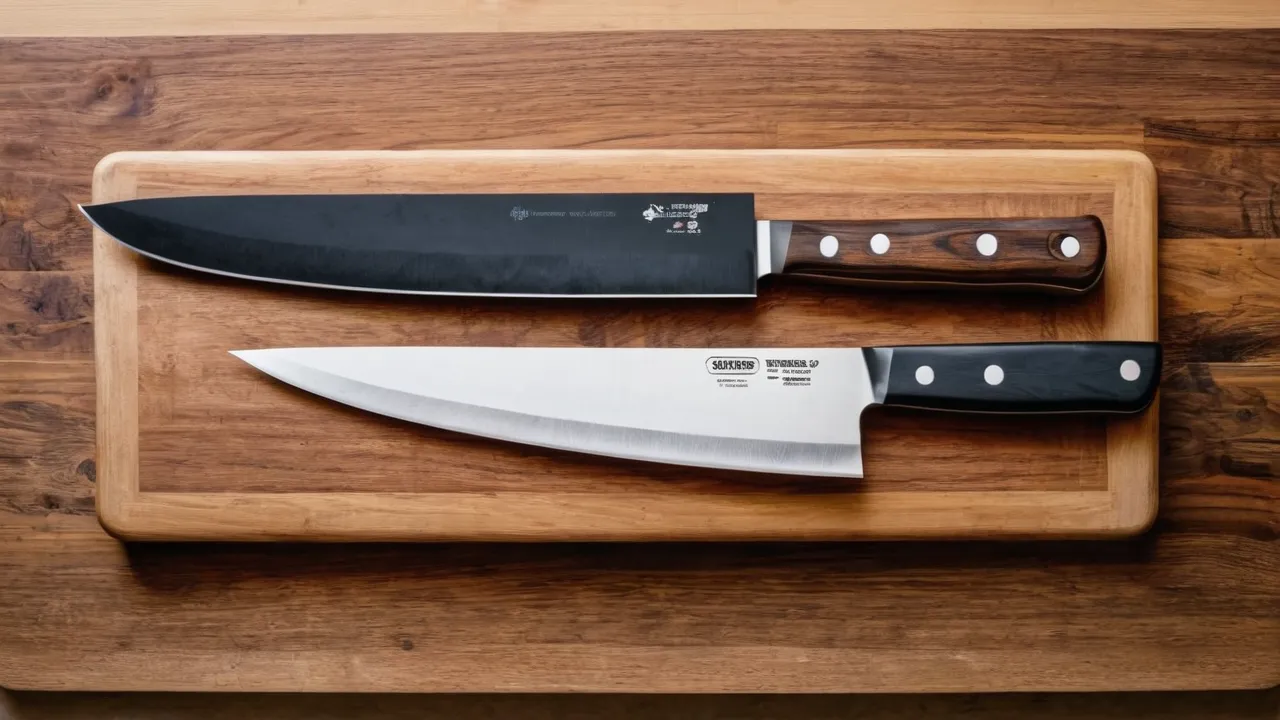
The essential kitchen knives for most home cooks are three: an 8-inch chef’s knife, a paring knife, and a serrated bread knife. Those three cover roughly nine out of ten cutting jobs, from dicing onions and slicing steak to peeling fruit and cutting crusty bread. Everything beyond them is a convenience for particular tasks, not a requirement, so build from three and add only when you hit a real gap.
The Core Three
Start with these. A cook who owns only these three, kept sharp, can handle nearly any recipe.
- Chef’s knife, usually 8 inches: the workhorse for chopping vegetables, mincing herbs, slicing meat, and crushing garlic. A blade of 7 to 10 inches suits most hands, and the 8-inch size is the common starting point because it balances reach with control.
- Paring knife, usually 3 to 4 inches: for peeling, trimming, hulling strawberries, deveining, and any job done in the hand rather than on a board.
- Serrated bread knife, usually 8 to 10 inches: the teeth saw through crusty loaves, soft cake layers, and tomatoes without crushing them.
Between them, the chef’s knife does the heavy lifting, so put most of your attention and budget there. The paring and bread knives are less demanding, and a modest model of either works well. Our chef’s knife guides explain how to judge steel, size, and handle.
Useful Additions, in Priority Order
When the core three feel limiting, add these one at a time based on what you cook.
- Honing steel or ceramic rod: not a cutting knife, but it keeps your edge straight between sharpenings. It is the most useful add-on.
- Utility knife, 5 to 6 inches: fills the gap between a paring knife and a chef’s knife, handy for sandwiches, small fruit, and cheese.
- Santoku: a shorter, flatter-edged alternative to a chef’s knife that some cooks prefer for vegetables. You rarely need both a chef’s knife and a santoku.
- Boning or fillet knife: for cooks who break down whole chickens or fish regularly.
- Slicing or carving knife: a long, narrow blade for roasts and brisket, useful if you host large meals.
- Cleaver: for heavy chopping through bone or dense squash, a niche tool for most homes.
- Kitchen shears: not a knife, but they handle poultry, herbs, and packaging.
- Steak knives: a table item rather than a prep tool, so buy them only if you serve steak regularly.
Skip List: What Not to Buy
Large knife blocks often include tools you will never use, and the cost is spread across knives of uneven quality.
- A block of 12 to 18 pieces with several nearly identical blades.
- Specialty knives for tasks you do twice a year, such as tomato knives, cheese knives, or grapefruit knives.
- Built-in sharpeners in blocks that grind the edge each time you remove a knife, which can shorten blade life.
- Sets sold mainly on piece count rather than on the steel and fit of the main knives.
If you want a set because it is convenient or a gift, check which pieces you will really use and whether the chef’s knife is a good one. Our kitchen knife set guide section and the cookware overview help you compare options.
How to Decide Whether You Need One More Knife
Before you add a knife, run a short check. First, name the task: not “I should have a better knife,” but “I keep struggling to slice a roast thinly” or “peeling with my chef’s knife is awkward.” Second, ask whether technique or sharpness is the real cause. Many cutting problems disappear when an existing knife is honed and sharpened, because a dull chef’s knife makes every task seem to need a different tool. Third, ask how often the task comes up. If it happens weekly, a dedicated knife pays off. If it happens twice a year, borrow or improvise.
A good rule is the three-use rule: if you reach for a knife you do not own on three separate occasions in a month, buy it. If not, skip it. This keeps the drawer small and the quality of each knife high, since the money that would have gone to extra pieces goes into better steel in the ones you use.
Matching Knife Count to Kitchen Reality
Space and cleaning habits matter too. In a small kitchen, every knife needs a safe place to live, and a crowded drawer leads to nicked edges and cut fingers. A magnetic strip, an in-drawer tray, or a compact block keeps three to five knives organized. Each extra knife also means more to hone, sharpen, wash, and dry. A household that cooks once or twice a week gains little from a long list, while a household that prepares most meals from scratch may reasonably own five or six.
Consider who else uses the kitchen. If several people cook, a second chef’s knife of a different size can reduce arguments, and a smaller knife can suit a cook with small hands. Teenagers learning to cook do best with one sharp, well-fitting knife and a paring knife, plus supervision on technique.
A Checklist by Cooking Style
Use this list to decide what you need based on how you cook.
| Cooking style | Core | Add next |
|---|---|---|
| Beginner, mixed cooking | Chef’s, paring, bread | Honing rod |
| Vegetable-heavy, plant-based | Chef’s or santoku, paring | Utility knife |
| Meat and poultry | Chef’s, paring, bread | Boning knife, shears |
| Baker | Bread knife, paring | Utility knife |
| Entertaining | Chef’s, bread, paring | Slicer, steak knives |
| Small kitchen or dorm | Chef’s, paring | Serrated utility knife |
A person with limited space and budget can start with just a chef’s knife and a paring knife, using a serrated utility knife or the chef’s knife for bread until a dedicated bread knife is worth buying.
How to Judge Each Knife Before You Buy
You can judge quality without a trial run, using the product page and the knife itself in your hand when possible.
- Steel: the page should name the steel. Softer German-style steels are tougher and easier to sharpen, while harder Japanese-style steels hold an edge longer but can chip if misused.
- Construction: forged versus stamped matters less than balance and fit, so read the stated weight and construction.
- Tang: a full tang that runs the length of the handle usually gives better balance, though many good knives are built otherwise.
- Handle: it should be comfortable, with no sharp seams, and give you a firm grip when wet.
- Edge: a factory edge is a starting point, and every knife will need regular honing and sharpening.
- Warranty and care: check whether the maker offers sharpening advice and whether dishwasher use is allowed.
Most knives should not go in the dishwasher, where heat, detergent, and knocking dull the edge and damage handles. Wash by hand and dry straight away.
What a Good Three-Knife Kit Looks Like in Practice
Picture a weeknight meal: dicing an onion and carrots, trimming chicken, slicing a tomato for salad, and cutting a loaf of bread. The chef’s knife does the onion and carrots on the board. The paring knife trims fat and cores the tomato. The serrated knife slices the tomato cleanly and cuts the bread. No fourth knife is needed. On a weekend, you might add roast carving, and a long slicing knife helps, but a sharp chef’s knife can manage it if you cut carefully.
Now consider a bigger job, such as breaking down a whole chicken. A boning knife makes it easier, but a sharp chef’s knife and shears can do it. This is why the standard advice is to master three knives before collecting more: skill and sharpness matter more than blade count.
Maintenance That Keeps Three Knives Enough
A sharp knife is safer than a dull one, because a dull edge needs more force and slips. Plan to hone before most sessions and sharpen a few times a year, depending on use. Our How We Review page explains how we compare knives using published specifications and research. Store knives so the edges are protected and children cannot reach them, and use a cutting board of wood or plastic rather than glass or stone, which dull an edge fast.
Frequently Asked Questions
How many kitchen knives do I really need?
Three: an 8-inch chef’s knife, a paring knife, and a serrated bread knife. These handle most prep work. Add a honing rod to keep them sharp, and add other knives only when a specific task keeps frustrating you.
Do I need a knife block set?
Usually not. Block sets often include pieces you will rarely use, and the quality can be uneven. Buying a good chef’s knife and two simple companions typically gives you a better working kit. A set can make sense if you like the convenience and the main knives are good.
Is a santoku better than a chef’s knife?
Neither is better overall. A santoku is shorter with a flatter edge, and some cooks find it easier for vegetables, while a chef’s knife has more belly for rocking cuts. Pick the shape that feels comfortable to you, and do not feel you need both.
Which knife should I buy first?
Buy the chef’s knife first, since it will be used most. Choose a size and handle that fit your hand, then add a paring knife and a bread knife. Put your budget into the chef’s knife and keep the others simple.
Final Thoughts: Start With Three and Keep Them Sharp
You do not need a drawer full of knives. A good chef’s knife, a paring knife, and a bread knife, plus a way to keep them sharp, will serve almost any home kitchen. Add specialty blades only when your cooking calls for them.
Related buying guides
- How to Choose a Chef’s Knife: Steel, Size, and Handle
- How to Store Kitchen Knives: Block, Strip, Drawer
- Kitchen Knife Sets: What to Look For and What to Skip
About the author

The BuyOnceChoice Editorial Team researches durable products worth buying once. Our guides compare published specifications, warranty terms, expert review consensus, and verified owner feedback. We do not conduct our own product trials. See How We Review and our Editorial Policy for our standards.