How to Choose a Chef’s Knife: Steel, Size, and Handle
Choose a chef's knife by how it feels in your hand, what steel you can maintain, and how much sharpening you will really do. Here is a neutral checklist.
 By BuyOnceChoice Editorial Team
Updated November 16, 2026
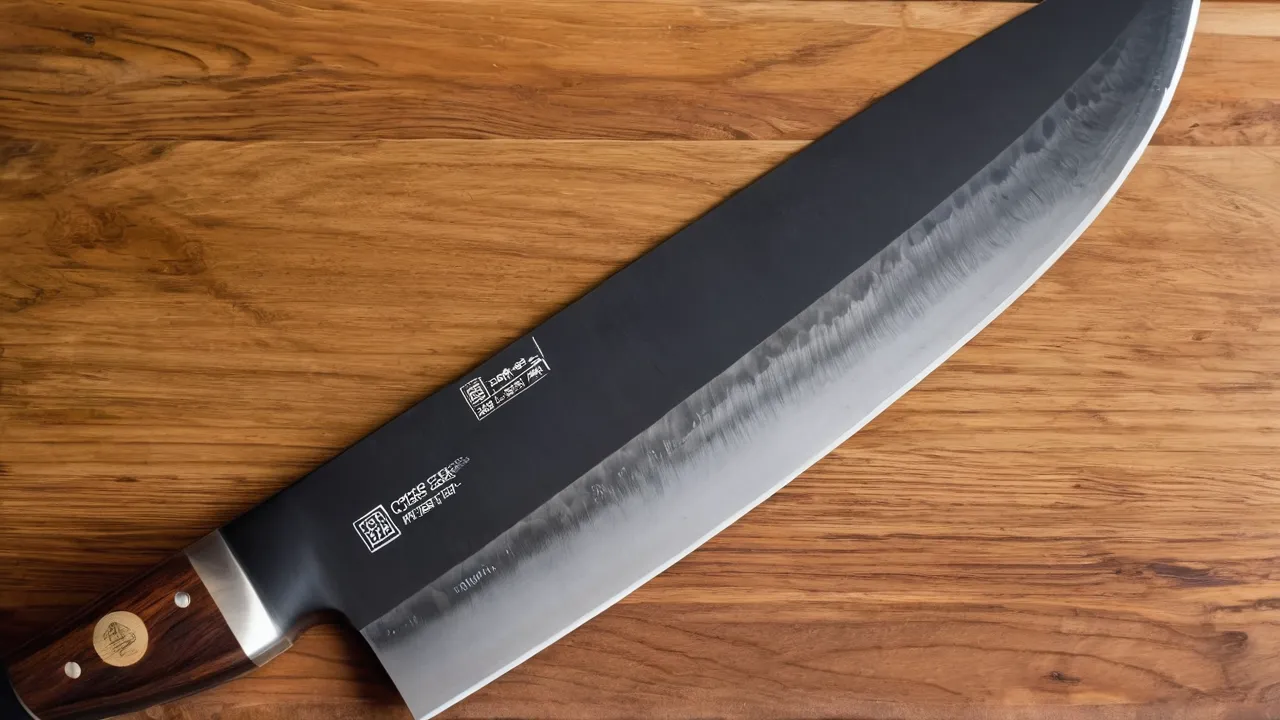
To choose a chef’s knife, decide on four things in order: blade length that fits your hand and board (8 inches for most cooks), steel that matches how much sharpening you are willing to do, a balanced shape and weight you can hold comfortably, and a handle that stays secure when wet. Judge each against how you cook, since the best knife on paper is the one that feels natural in your grip.
Start With How You Cook
A chef’s knife is a general-purpose blade, but the way you use it shapes the right choice. Ask yourself what you cut most. A cook who chops onions, carrots, and herbs daily needs a knife that is comfortable for repetitive work and easy to keep sharp. A cook who cuts mostly meat and poultry wants more heft and a stiffer blade. A cook who prepares small meals for one or two people may prefer a lighter knife that is easy to control.
Think about maintenance too. If you will hone regularly and sharpen a few times a year, you can choose any steel. If you want a knife that you rarely touch up, choose a tougher steel and accept that the edge will need attention a little more often. Be honest about your habits, because a harder steel that you never maintain will perform worse than a softer one that you hone every week.
Finally, consider the people in your kitchen. Hand size, grip strength, and cutting style vary. Some cooks use a pinch grip with thumb and forefinger on the blade, and others hold the handle only. A knife that suits one grip may feel awkward in another.
Blade Length: Which Size Fits
Chef’s knives usually run from 6 to 10 inches. Length is the first filter because it determines control and reach.
- 6 inches: easy to handle and good for small hands and small boards, but short for big squash or melons.
- 8 inches: the standard choice. It handles most tasks, fits most boards, and balances control with reach.
- 9 to 10 inches: good for slicing large roasts and cutting big vegetables, though it can feel unwieldy on a small counter.
A simple rule: pick the longest blade that you can control comfortably on the board you use. If your cutting board is small, an 8-inch knife is usually the limit. If you often cut large items, consider 9 or 10 inches. Do not buy more length than your hand and counter can support.
Steel: What the Spec Sheet Means
The product page should state the steel. The main styles are:
- German-style stainless: typically softer and tougher. It tolerates rough use, is easy to sharpen, and resists chipping, though it may need honing more often.
- Japanese-style stainless: usually harder. It takes a keener edge and holds it longer, but it can chip if it hits bone or a hard surface, and it takes more care to sharpen.
- High-carbon steel: very sharp and easy to sharpen, but it can stain or rust if not dried, so it suits cooks who are willing to care for it.
- Specialty powder steels: often very hard and long-lasting, usually in more costly knives. Check the maker’s care guidance.
Maker spec sheets sometimes list a hardness rating on the Rockwell C scale. Use it as a rough guide only, since two knives with the same number can behave differently depending on heat treatment and geometry. In general, softer steel means easier maintenance and harder steel means longer edge life with more risk of chips. If the page gives no information on steel, treat that as a warning sign.
Shape and Balance
Chef’s knives come in two broad profiles. German-style knives have a more curved belly that suits rocking cuts, where the tip stays on the board. Japanese-style gyuto knives are flatter and thinner, which suits push cuts and slicing. Neither is superior. Choose the profile that matches the way you cut.
Balance is where the blade meets the handle. A knife that balances near the bolster, where your pinch grip sits, feels steady. A heavy handle with a light blade, or the reverse, can tire your hand. You cannot see balance on a screen, so read what the maker says about weight, and if you can hold the knife in a store, notice whether it feels neutral.
Blade thickness matters as well. Thin blades slice food with less wedging, which helps with dense vegetables. Thick blades are stronger for heavy work. The spine should be smooth, since a sharp spine can be uncomfortable with a pinch grip.
Handle: Comfort and Security
Handle shape and material affect safety more than most buyers expect. Consider these points.
- Material: wood feels warm but needs care, composite resists moisture and is durable, and steel is sturdy but can be slippery.
- Shape: an oval or slightly contoured handle is usually comfortable for most hands. Check for sharp seams.
- Grip when wet: your hands will be wet or greasy, so the handle should not be slick.
- Size: the handle should fill your hand without cramping or leaving a gap.
- Bolster: the thick part between blade and handle can support a pinch grip, but a bolster that extends to the heel can make sharpening harder.
- Tang: a full tang usually adds strength and balance.
Putting It Together: A Decision Table
| If you | Choose |
|---|---|
| Cook small meals, have small hands | 6 to 8 inch, lighter knife |
| Want one all-purpose knife | 8 inch, German-style stainless |
| Slice a lot and like precision | 8 to 10 inch, thinner Japanese-style |
| Rarely sharpen | Tougher steel, regular honing |
| Enjoy sharpening and care | Harder steel, carbon option |
| Have a small cutting board | 8 inches or shorter |
Our chef’s knife guides compare specific models using published specifications. Our How We Review page explains how we evaluate products using research and specifications rather than claims of our own trials. For a wider look at related gear, see the cookware and kitchen tools section.
Worked Example: Choosing for Two Different Cooks
Take two buyers. The first cooks dinner for a family four nights a week, chops mixed vegetables and chicken, owns a honing rod, and sharpens twice a year on a stone or sends the knife out. This cook does well with an 8-inch German-style stainless knife with a full tang and a composite handle: it tolerates rough cutting, goes through chicken joints without fear of chipping, and is simple to maintain.
The second buyer cooks mainly for one, loves thin slices of vegetables and fish, has small hands, and enjoys sharpening on whetstones. This cook may prefer a 7 or 8 inch Japanese-style knife with a thinner blade and a harder steel, understanding that the edge must be kept away from bones, frozen food, and hard squash. Both are good choices, and the difference is use and care, not quality.
Mistakes to Avoid When Choosing
- Buying the longest knife on offer because it looks impressive, then finding it awkward on a small board.
- Choosing very hard steel without any plan to sharpen it correctly.
- Ignoring handle shape because the blade looks good in photos.
- Trusting a claim of lifetime sharpness.
- Buying a set before choosing the main knife.
- Skipping a cutting board of wood or plastic and dulling the edge on glass or stone.
Edge Angle and Sharpening Compatibility
Edge geometry affects how a knife behaves and how you sharpen it. Western-style knives are commonly ground around 20 degrees per side, while many Japanese-style knives use a finer angle around 15 degrees per side. A finer angle cuts with less force but is more delicate. If you plan to use a pull-through sharpener, check that its angle matches your knife, since a mismatch can remove more metal than needed. If you use whetstones, you can follow the factory angle and keep it consistent. The maker’s guidance on sharpening angle is worth reading before you buy, since it tells you how much care the knife expects.
What to Check Before You Buy
Before you commit to a knife, go through this checklist on the product page.
- The steel is named, and the maker describes the heat treatment or hardness range.
- The blade length and weight are listed.
- The handle material and construction are described.
- The maker gives care instructions, including dishwasher guidance. Hand washing is the safe default.
- A warranty is stated and clear.
- The return policy covers a knife that does not fit your hand.
Be careful with exaggerated claims about edges that never need sharpening. Every knife dulls, and honing and sharpening are part of ownership.
Frequently Asked Questions
What size chef’s knife should I buy?
Start with 8 inches. It handles most tasks and fits most cutting boards. Move to 6 inches if you have small hands or little counter space, and to 9 or 10 inches if you cut large roasts or big vegetables often and have room to control the blade.
Is a German or Japanese chef’s knife better?
Neither is better overall. German-style knives are tougher, easier to sharpen, and forgiving of rough use. Japanese-style knives are usually thinner and harder, with a sharper edge that lasts longer but is more prone to chipping. Pick based on your cutting style and willingness to maintain it.
Does a more expensive chef’s knife cut better?
Not always. Higher cost can buy better steel, heat treatment, and finish, but a mid-priced knife that fits your hand and stays sharp will outperform a costly one that feels awkward. Judge by steel, balance, and handle comfort rather than by price alone.
How do I know if a handle fits my hand?
Hold it in your normal cutting grip. Your fingers should wrap comfortably without cramping, and the handle should not slip when wet. If you buy online, check the dimensions, read the return policy, and choose a model with a simple, contoured shape.
Final Thoughts: Choose the Knife You Will Keep Sharp
The right chef’s knife is the one that fits your hand, suits your cutting style, and has steel you are willing to maintain. Start with 8 inches, match steel to your habits, and favor a comfortable handle. Hone often, sharpen when needed, and the knife will serve for many years.
Related buying guides
- How to Store Kitchen Knives: Block, Strip, Drawer
- Kitchen Knife Sets: What to Look For and What to Skip
- Knife Handle Materials: Wood, Composite, or Steel
About the author

The BuyOnceChoice Editorial Team researches durable products worth buying once. Our guides compare published specifications, warranty terms, expert review consensus, and verified owner feedback. We do not conduct our own product trials. See How We Review and our Editorial Policy for our standards.