Standby Generator Buying Mistakes to Avoid
The costly errors are undersizing, a gas line that cannot feed the engine, and no local service. Learn how to catch each one before you sign a quote.
 By BuyOnceChoice Editorial Team
Updated November 16, 2026
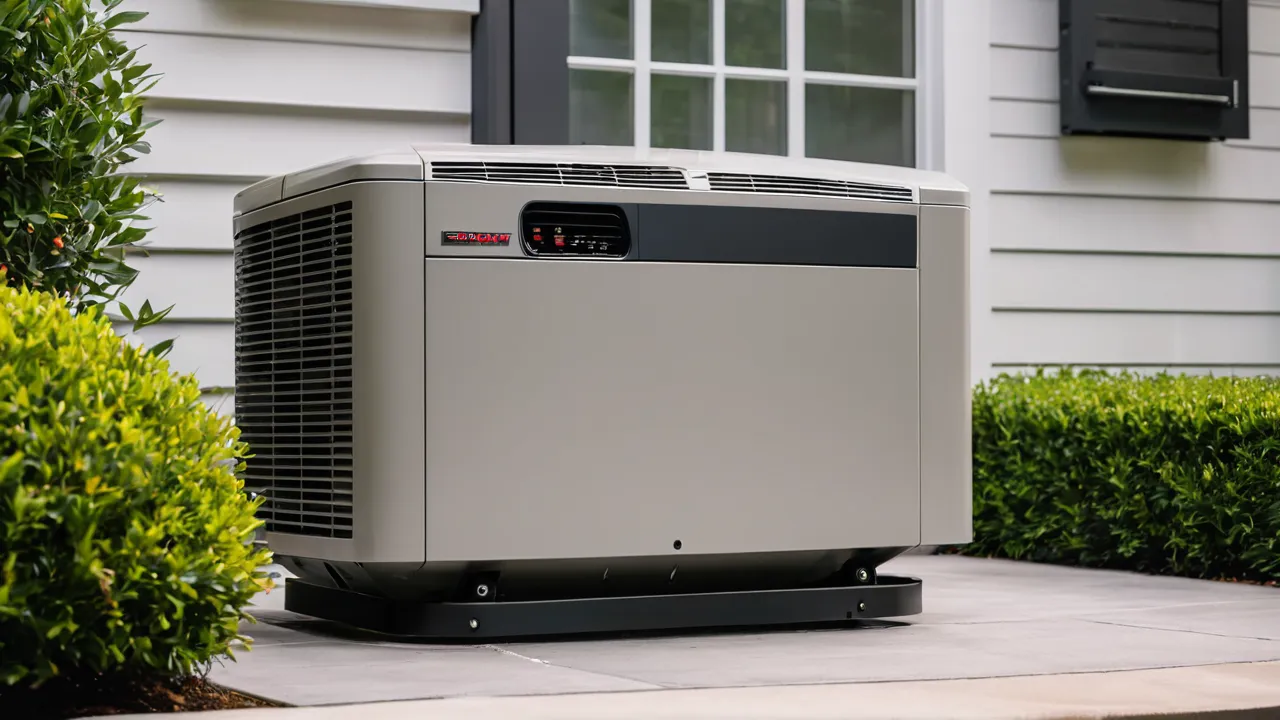
The most common standby generator buying mistakes are undersizing the unit, ignoring gas line and meter capacity, choosing a brand with no local service, overlooking the transfer switch, placing the generator poorly, skipping permits and installer vetting, and having no fuel and maintenance plan. Each mistake below comes with the fix, so you can check your quote before you sign.
A standby generator is a permanent system with a pad, a fuel connection, and an electrical connection, so most mistakes show up in the installation, not the machine. Browse our whole-home generators category for models, see the portable generator category if you are weighing a smaller option, and read how we review for how we treat specifications. Gas, electrical, and permit work must be done by licensed professionals, and the manual is the final word on clearances and limits.
Mistake One: Undersizing the Generator
Buyers often pick the cheapest unit that sounds big enough, then find that the air conditioner, the well pump, and the electric range cannot all run at once. Motors need several times their running watts to start, so a unit that handles the running loads can still stall on startup.
The fix: list every load you want, with running watts and starting watts, and add them with the largest surge. Allow for fuel derating, since output on natural gas or at altitude can be lower than the headline number. Ask the installer for a written load calculation, and consider load management devices that let a smaller unit share power between big loads.
A Worked Sizing Example
Say a household wants a refrigerator, a freezer, lights, a furnace blower, a well pump, and one central air conditioner. Running watts might total around 6,500, with the air conditioner and well pump contributing most. The air conditioner’s compressor could start at several times its running watts, and the pump adds its own surge. The generator must cover the running total plus the biggest surge, with the pump and air conditioner not starting at the exact same moment. A unit sized only for the running total will trip on startup. A load management module can stagger the air conditioner and other large loads, which may let the household choose a smaller unit. This is an illustration, so use your own appliance labels and an installer’s written calculation.
Mistake Two: Ignoring Gas Line and Meter Capacity
A generator burns a lot of fuel at full load, and a gas meter and line sized for a furnace and a range may not supply enough. An undersized line starves the engine, and output drops or the unit shuts down in the middle of an outage.
The fix: check the generator’s fuel consumption at full load in the manual, then confirm in writing that the meter, the regulator, and the pipe from the meter to the pad can deliver it on top of your other gas appliances. Your gas utility can advise on the meter. Propane needs the same check for tank size and vaporization capacity in cold weather.
Mistake Three: No Local Service
A standby generator needs annual service and occasional repairs. Buyers who choose a brand with no nearby dealer wait weeks for a technician, or find that warranty work requires shipping parts and a long wait. In a storm, local technicians are the first to be booked.
The fix: before you buy, find out who services that brand within driving distance, what the response time is, and whether the installer offers a service plan. Ask what the warranty covers, whether labor is included, and whether warranty service requires use of authorized technicians.
Mistake Four: Overlooking the Transfer Switch
The transfer switch connects the generator to your home and keeps it from backfeeding the utility. Buyers sometimes assume it is included, or choose a switch that does not match their needs. An undersized switch limits what you can run, and a manual switch defeats the convenience of automatic power.
The fix: confirm the type, such as automatic whole-house or load-managed, its amp rating, and whether the quote includes it, the wiring, and the permit. Ask how the switch handles large loads and whether it works with the generator’s controls. Ask about surge protection too.
Mistake Five: Poor Placement and Ignoring Clearances
Placement affects safety, noise, and code compliance. A generator placed too close to windows, doors, vents, or a property line can fill the house with carbon monoxide or violate setback rules. A unit placed in a low spot can flood, and one under a tree or an overhang can be damaged by debris.
The fix: follow the manual’s clearances and local code, keep the exhaust away from openings, and choose a stable, drained pad. Ask the installer about noise toward neighbors, access for service, and distance to the gas meter and the electrical panel. Longer runs add cost.
Mistake Six: Skipping Permits and Installer Vetting
Unpermitted installs can fail inspection, void warranties, complicate insurance claims, and cause problems when you sell. Low bids sometimes leave out permits, wiring, or the gas connection, and add them later.
The fix: ask for a license number, insurance proof, and references. Confirm who pulls permits and schedules inspections. Request an itemized quote covering the generator, switch, pad, gas work, electrical work, permits, and commissioning, and compare quotes on equal scope.
Mistake Seven: No Fuel and Maintenance Plan
A generator that sits unused and unserviced may not start when needed. Propane owners forget to refill, natural gas owners forget about the exercise cycle, and some owners never check the battery.
The fix: schedule annual service, check oil and the starter battery on the manual’s schedule, confirm the weekly exercise runs, and set a rule for refilling propane before storms. Keep a log. After a long outage, inspect the generator as the manual directs.
A Quote-Review Checklist
- Generator model, rated output on your fuel, and fuel consumption at half and full load.
- Transfer switch type and amp rating, and the circuits it covers.
- Gas meter, regulator, and line capacity statement, or tank size for propane.
- Pad, clearances, and the distance to the gas and electrical connections.
- Permits, inspections, and who handles them.
- Warranty terms and labor coverage, plus the first service visit.
- Commissioning, which includes a startup, a loaded run, and a walk-through.
A quote that leaves out any line may add a charge later. Ask the installer to fill every line in writing.
Questions Worth Asking About the Brand
Ask how long the maker has sold standby units, how parts are supplied, and whether independent technicians can service the product. Ask what the warranty requires, such as annual service by an authorized dealer, and whether a missed service voids it. Read the owner’s manual online before buying, since it lists clearances, fuel requirements, and maintenance intervals. A brand with clear public documentation and a dealer network tends to be easier to live with, and the manual often reveals which limits the sales brochure left out.
Decision Rules and Timing
- Frequent or long outages, medical needs, or a well pump: a standby generator is worth serious attention.
- Rare, short outages: a portable generator with an inlet, or a battery, may be enough.
- Rural homes with propane: size the tank for the outage length you expect.
- Homes on a city gas main: confirm the meter and line first.
Timing matters. Installers get busy before hurricane or winter storm seasons, and lead times for equipment and permits grow after a major event. Planning in the off season gives more time to compare quotes and avoids rushed decisions. A rushed purchase is one of the biggest sources of the mistakes above.
Safety and Professional Work
Standby generators combine gas, high-voltage electricity, and exhaust. Carbon monoxide is the deadliest hazard, so keep the exhaust away from openings as the manual directs and install battery-powered carbon monoxide alarms inside the house. Do not modify the unit or its fuel connections, and do not try to wire the transfer switch yourself. Licensed gas fitters and electricians know the code and carry the liability. If anything smells like gas, leave the building and call the gas utility from outside.
Frequently Asked Questions
What is the biggest mistake when buying a standby generator?
Undersizing, followed by ignoring the gas supply. A unit that cannot start your largest motor, or a gas line that cannot feed it, fails when you need it. Ask for a written load calculation and a gas capacity check, and compare them with the manual.
Do I need a permit to install a standby generator?
In most places, yes. Electrical, gas, and sometimes zoning permits apply, and inspections follow. Your installer should handle them, and you should confirm that in writing. Check with your local building department for requirements where you live.
How do I choose a standby generator installer?
Look for licensed, insured installers with references from similar jobs, an itemized quote, and a clear plan for permits and service. Ask whether they are authorized by the manufacturer. Compare at least two quotes, and avoid anyone who pressures you to sign quickly.
Final Thoughts
Most standby generator problems trace to the same few errors: undersizing, an inadequate gas supply, no service nearby, a mismatched transfer switch, poor placement, loose permitting, and no maintenance plan. Check each against your quote, ask for numbers in writing, and rely on licensed professionals for the gas and electrical work.
Related buying guides
- Home Standby Generator Cost Factors Explained
- Standby Generator Maintenance Schedule
- Transfer Switch vs Interlock Kit Explained
About the author

The BuyOnceChoice Editorial Team researches durable products worth buying once. Our guides compare published specifications, warranty terms, expert review consensus, and verified owner feedback. We do not conduct our own product trials. See How We Review and our Editorial Policy for our standards.