Transfer Switch vs Interlock Kit Explained
A transfer switch and an interlock kit both isolate your home from the utility while a generator runs. Here is how they differ and what to confirm locally.
 By BuyOnceChoice Editorial Team
Updated November 16, 2026
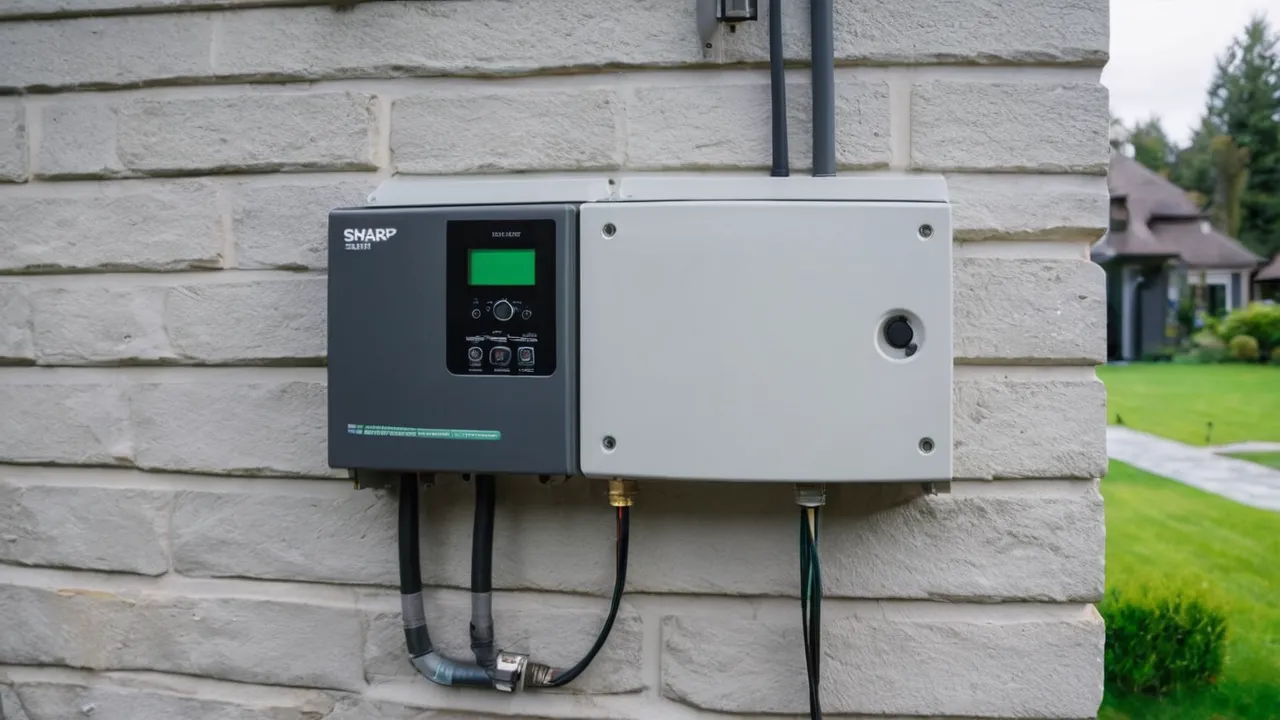
A transfer switch and an interlock kit both let a portable generator power your home circuits safely by making sure the generator and the utility can never feed the house at the same time. A transfer switch is a separate box with its own circuits that you move to generator power, while an interlock kit is a mechanical slide on your main panel that blocks the main breaker and the generator breaker from being on together. Both must be installed by a licensed electrician, with permits where required.
Sources disagree on wording around backfeed and on which one is better, so this guide sticks to what each device does, how you operate it, how cost and installation differ, and what code and permits mean. Your electrician and your local code are the final authority. Browse our whole-home generators category for standby options, read how we review for how we treat specifications, and see our portable generators category for generators that connect to either device.
The Problem Both Devices Solve
Plugging a generator into a wall outlet with a cord that has two male ends sends power backward into the house wiring and out through the utility connection. This is called backfeed, and it can kill line workers repairing the grid, hurt neighbors, damage the generator, and start fires. It is illegal in most places and extremely dangerous.
The safe approach is to separate the generator from the utility with equipment that makes backfeed impossible. A transfer switch does it with a switch that connects the selected circuits to only one source at a time. An interlock kit does it by mechanically preventing both breakers from being on together. Either approach also needs an inlet on the outside of the house and the right cord, so the generator can stay outdoors.
How a Transfer Switch Works
A manual transfer switch is a small subpanel installed next to your main panel. A set of selected circuits, such as the refrigerator, furnace, lights, and a few outlets, are moved to the transfer switch. Each circuit has a breaker, and a master lever moves the group between the utility and the generator. In the line position, the circuits are fed by the utility. In the generator position, they are fed by the generator. The lever cannot select both.
The limited set of circuits means you cannot overload the generator accidentally with the whole house. Some switches include meters that show generator load. Automatic transfer switches do the same thing without you touching anything, which is how standby generators work.
How an Interlock Kit Works
An interlock kit is a metal plate that attaches to your main panel and slides over the main breaker and a dedicated generator breaker. When the main breaker is on, the plate blocks the generator breaker from being turned on. To use the generator, you turn off the main breaker, slide the plate, and turn on the generator breaker. The plate then blocks the main from being turned on. The generator feeds the whole panel, and you choose which circuit breakers to leave on.
Interlock kits are made for specific panel brands and models, and the kit must be listed for your panel. A kit that is not approved for your panel is not acceptable. Not every panel can accept one, and some local codes restrict their use, so ask the electrician and your building department.
Operating Each One in an Outage
Transfer switch routine
- Start the generator outdoors, and let it warm up.
- Plug the generator cord into the inlet.
- Turn off the circuit breakers on the transfer switch, move the lever to the generator position, then turn the breakers on one by one.
- When power returns, reverse the steps, and shut down the generator.
Interlock routine
- Start the generator outdoors, and plug into the inlet.
- Turn off all the breakers in the panel you do not want to run, then turn off the main breaker.
- Slide the interlock, and turn on the generator breaker.
- Turn on the branch breakers one at a time, watching the generator load.
- To return, reverse the steps, ending with the main breaker.
With an interlock, you are responsible for managing the load across the whole panel, so write a list of breakers that should stay off. Large loads such as electric ranges, dryers, and air conditioners can overload a small generator.
Cost and Installation Differences
Interlock kits usually cost less in parts and labor, since they use the existing panel and need only a breaker, an inlet, and wiring. Transfer switches cost more because of the extra panel, the wiring of selected circuits, and labor to move them. Costs vary by region and by home, so ask for itemized quotes from licensed electricians. Both need an inlet, a cord of the right gauge, and sometimes a spacer or a panel clearance fix.
Think about convenience too. A transfer switch limits the circuits and the loads, which protects the generator. An interlock gives more flexibility and requires more care.
Code, Permits, and the Backfeed Wording
Electrical codes require equipment that prevents a generator and the utility from being connected to the same wiring at the same time, and many jurisdictions require permits and inspections for these installations. Sources vary in how they describe the backfeed risk, because wording differs between code editions, local amendments, and device listings. Rely on your local building department and a licensed electrician, who know which code edition and amendments apply.
Also ask about the generator’s neutral and grounding configuration, and whether the transfer equipment switches the neutral. These details affect safety and are specific to the generator and the switch.
Inlets, Cords, and Generator Placement
Whichever device you pick, power reaches the house through an inlet box on an outside wall and a cord from the generator. Match the inlet’s amp rating and plug type to the generator’s outlet and to the electrician’s wiring plan. A cord that is too thin overheats, and a cord that does not match the outlet invites improvised adapters. Keep the generator outdoors, far from windows, doors, and vents, with the exhaust pointed away, and keep it dry. The Consumer Product Safety Commission advises keeping it at least 20 feet from the house. Use battery-powered carbon monoxide alarms inside the home.
A Worked Load Example
Say your generator is rated for 5,000 running watts. With a transfer switch, the electrician wires a refrigerator, a furnace blower, lights, and a few outlets, totaling about 2,500 watts running, leaving margin for motor startups. You cannot accidentally energize the oven or the dryer. With an interlock, every breaker in the panel can be turned on, so you must leave the dryer, range, and air conditioner off, and add loads one at a time while watching the generator, adding the biggest motor first, since it needs the most surge. The generator’s running and starting watts, not the panel’s size, set the limit. Write the list of breakers to leave off, and tape it next to the panel.
Questions for Your Electrician
- Is the interlock kit listed for my specific panel model?
- Does local code allow an interlock, and is a permit required?
- Which circuits will the transfer switch cover, and can I change them later?
- Does the generator need a neutral bonding change, and how does the switch handle the neutral?
- What inlet, cord, and breaker will you install, and what ratings do they have?
- What inspection will follow, and who schedules it?
Ask for the answers on the quote. A professional who has done many of these installs will answer quickly and show you the listing or the manual page that supports the choice.
Which One Fits Which Household
- Small generator, essential circuits only, and a household that wants simple, safe operation: transfer switch.
- Larger generator, an electrician-approved panel, and an owner who wants flexibility and lower cost: interlock kit, where permitted.
- Renters or buildings without the right panel: extension cords from the generator to appliances, outdoors and away from windows.
- Frequent outages, medical needs, or no one to run a generator: a standby generator with an automatic switch.
Frequently Asked Questions
Is an interlock kit as safe as a transfer switch?
A listed interlock kit installed by a licensed electrician on a compatible panel prevents the generator and utility from being connected together. A transfer switch does the same with separate circuits. Both are safe when approved, installed, and used as directed. Check local rules, since some areas restrict one or the other.
Do I need a permit to install a transfer switch or an interlock?
In most places, yes. Both involve changes to your electrical service, and inspectors check them. Your electrician should pull the permit. Unpermitted work can create insurance, resale, and safety problems. Call your local building department to confirm what applies.
Can I install an interlock kit myself?
It involves working inside a live electrical panel, which can be deadly, and local rules may require a licensed electrician and a permit. Even with a kit made for your panel, the safest and often the only lawful path is to hire a licensed professional.
Final Thoughts
Both devices prevent backfeed and make a portable generator safe for your home, and each has a different balance of cost, convenience, and flexibility. Choose by your generator size, your panel, and local code, and have a licensed electrician install it with a permit. Never use a cord with two male ends.
Related buying guides
- What Size Whole House Generator Do You Need
- Whole House vs Essential Circuits Generator Setup
- Automatic vs Manual Transfer Switch for Generators
About the author

The BuyOnceChoice Editorial Team researches durable products worth buying once. Our guides compare published specifications, warranty terms, expert review consensus, and verified owner feedback. We do not conduct our own product trials. See How We Review and our Editorial Policy for our standards.