Home Standby Generator Cost Factors Explained
The generator itself is only one line on the bill. Here are the install items, from pad to permits, that move the total, without invented figures.
 By BuyOnceChoice Editorial Team
Updated November 16, 2026
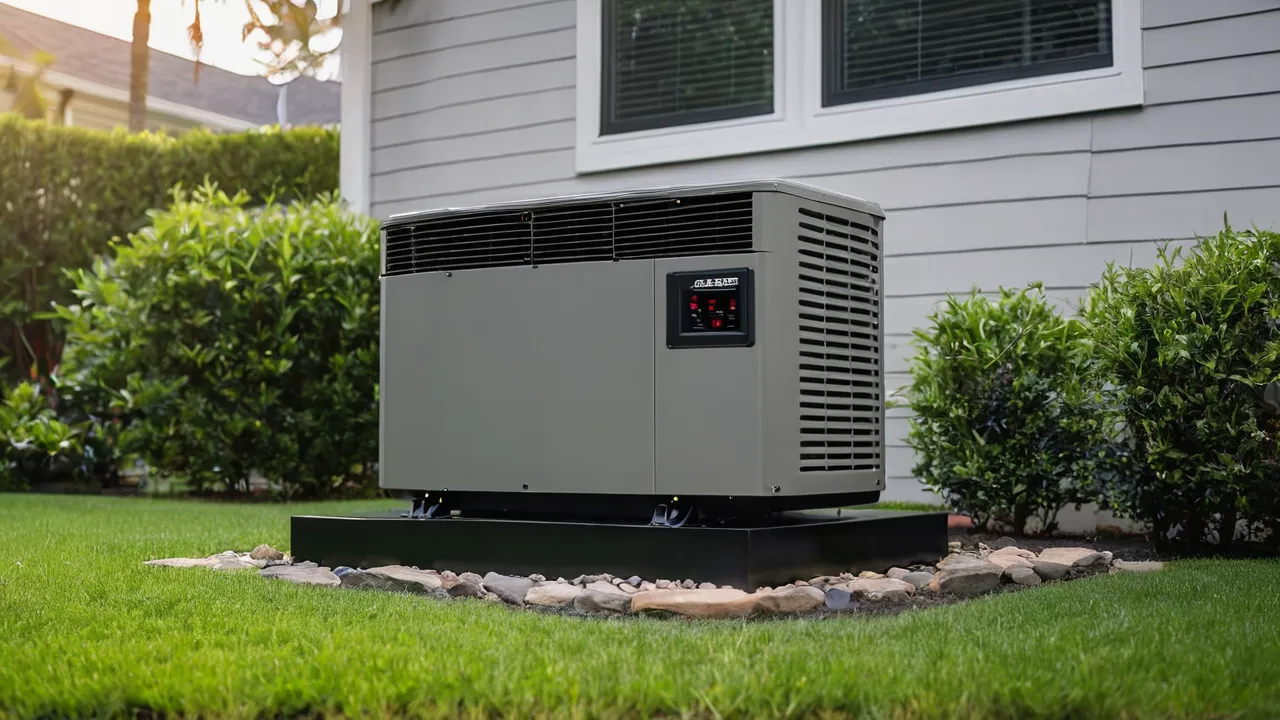
The cost of a home standby generator is the machine plus everything needed to install it: the pad, gas line or propane tank, transfer switch, electrical work, permits, delivery, commissioning, and a service plan. Machine size and fuel type set the starting point, and site conditions such as the distance to the gas meter and the electrical panel often decide the final total. This guide lists each line item, so you can compare quotes without relying on invented figures.
Published cost figures disagree widely, because installs differ by region, home, and scope, so the right approach is to itemize and ask for written quotes. Browse our whole-home generators category for models, see the portable generators category for a lower-cost alternative, and read how we review for how we treat specifications. Gas, electrical, and permit work must be done by licensed professionals.
Why the Quote Is More Than the Machine
The generator itself is only one part. A quote that looks cheap may exclude the transfer switch, the permit, the gas line, or the pad, and the missing items show up as change orders. A quote that looks expensive may include them all, along with a service plan. Comparing totals without comparing scope is the most common way buyers misjudge cost.
| Line item | What drives it |
|---|---|
| Generator unit | Output rating, fuel type, enclosure, brand |
| Transfer switch | Amp rating, automatic or manual, load management |
| Pad and placement | Material, grading, drainage, clearances |
| Fuel connection | Distance to meter, line size, regulator, or tank |
| Electrical work | Distance to panel, trenching, conduit, wire size |
| Permits and inspection | Local fees, engineering, utility notice |
| Commissioning | Startup, loaded run, walk-through |
| Service plan | Visit frequency, parts, labor coverage |
Generator Size and Fuel Type
Size drives cost more than anything else. A unit that covers essentials costs less than one sized to run the whole house, central air included. Size is set by your load list, so write it before you shop. Larger units also need larger fuel lines, larger transfer switches, and sometimes larger pads.
Fuel type matters. Natural gas avoids a tank but may need a larger meter or line. Propane needs a tank, a regulator, and a supplier relationship, and tank size sets runtime. Compare each fuel’s ongoing cost, delivery logistics, and output rating, because the same generator may be rated lower on natural gas than on propane.
Site Work: Pad, Clearances, and Placement
The generator sits on a pad, usually concrete or a composite slab, level and drained. Clearance rules require space from windows, doors, vents, property lines, and the house wall, which can force a longer run to the gas and electric connections. A site on a slope, near trees, in a flood-prone area, or with limited access adds labor. Noise and neighbors may push the unit farther from the house. Longer runs mean more piping, more conduit, more trenching, and more wire.
Ask the installer to mark the planned location, show the distances to the meter and the panel, and explain what in that layout adds cost.
Transfer Switch and Electrical Work
The automatic transfer switch moves your home to generator power and back, and prevents backfeed. Whole-house switches handle the entire panel, while essential-circuit switches handle a subset, and load management modules can add control over big loads. The electrician runs conduit and wire from the switch to the generator, and may upgrade or add a subpanel. Older panels with limited space can add cost. Surge protection is sometimes an extra.
How to Compare Quotes Fairly
- Ask every installer to quote the same size, fuel, and switch type.
- Require itemized lines for the unit, switch, pad, fuel work, electrical work, permits, and commissioning.
- Confirm who pulls permits and who pays inspection fees.
- Ask what is excluded, such as trenching through rock, tree removal, or panel upgrades.
- Compare warranty terms, response time, and the service plan.
- Ask for references from recent installs of similar size.
Put the quotes side by side on a single sheet, and mark each missing line. The cheapest quote with the most blanks is often not the cheapest outcome. Also ask each installer how long the job takes, what happens if inspection fails, and who pays for rework, because delays and corrections are real costs even when they do not appear on the first page. Keep copies of every quote, since the written scope becomes your reference if a dispute arises later.
A Worked Comparison in Words
Quote A lists a generator, a switch, and installation in one line, with no permit or gas work stated. Quote B lists each part, includes permit fees and the gas line from the meter, and includes a first-year service visit. Quote A looks lower. After asking questions, Quote A turns out to exclude the permit and the gas line, and Quote B’s total is closer. Now you can compare real scopes, and decide on service, warranty, and installer record.
Ongoing Costs After the Install
- Annual service, with oil, filters, spark plugs, and an inspection.
- Fuel for exercise runs and outages, either from the gas utility or from propane deliveries.
- Battery replacement for the starter battery every few years, as the manual advises.
- Occasional repairs outside the warranty period.
- Higher insurance or tax considerations in some areas, which you should confirm locally.
Ongoing costs are small compared with the install but not zero. A service plan spreads them into predictable payments, and the plan’s terms matter more than its headline. Look at how many visits it includes, whether parts and labor are covered, whether it includes the starter battery, and how quickly a technician responds after a storm. A plan with a slow response time protects the warranty but not your outage.
Permits, Utility Notices, and Local Rules
Permit costs and rules vary by city and county. Many places require an electrical permit, a gas or mechanical permit, and sometimes a zoning review for setbacks and noise. Homeowner associations may limit placement or require approval. Your gas utility may require notice or a meter upgrade, and a propane supplier may own or lease the tank. Ask the installer what applies, and call the building department yourself if anything is unclear. Skipping permits can create trouble at resale, because inspectors and buyers look for them.
Ways to Reduce Cost Without Cutting Safety
- Size the generator for essentials plus load management instead of the whole house.
- Place the unit as close as codes allow to the gas meter and the electrical panel.
- Schedule the install in the off season, when installers have more time.
- Compare at least three itemized quotes, and ask for the scope in writing.
- Check for manufacturer promotions on the unit, but do not trade away service or warranty.
Do not cut corners on permits, clearances, the transfer switch, or the installer’s license. Those are the items that protect your family and your investment.
A Short Planning Sequence
Start by writing your essential loads and your outage history. Decide on fuel by checking your gas service and your tolerance for refilling. Walk the yard with an installer and mark possible locations. Get at least two itemized quotes, with scope, warranty, and service terms side by side. Choose, sign, confirm the permit schedule, and plan for the install date. After installation, keep the commissioning report, the manual, and the warranty paperwork together, and set a reminder for the first annual service.
Safety Notes
Gas and electrical work carry real risks, and permits and inspections exist for that reason. Hire licensed professionals, follow the manual for clearances and exhaust placement, install carbon monoxide alarms, and never connect a generator to your home’s wiring without a transfer switch. Unpermitted work can void warranties and complicate insurance claims.
Who Should Spend and Who Should Wait
- Spend on standby if outages are frequent or long, if you have medical needs, a well pump, or a sump pump, or if you work from home.
- Consider a portable generator with a transfer inlet if outages are rare and short.
- Consider a battery system if you want quiet, automatic backup for essentials and have solar.
- Wait if your electrical panel, gas supply, or yard needs work that you have not budgeted.
Frequently Asked Questions
What makes a standby generator installation expensive?
Size, fuel connection, and site work drive cost. Longer runs to the gas meter and electrical panel, a larger transfer switch, trenching, a pad, permits, and a panel upgrade all add to the total. Itemized quotes show which parts apply to your home.
Is a standby generator cheaper on natural gas or propane?
It depends. Natural gas avoids a tank but may need a larger meter or line, and propane needs a tank and deliveries. Running cost depends on local fuel prices, which change. Compare both installation scope and fuel logistics, using quotes for your address.
Do I need a service plan for a standby generator?
It is strongly advisable. Annual service keeps the engine ready and may be required to keep the warranty valid. Compare what plans cover, including visits, parts, and labor, and whether you can use independent technicians.
Final Thoughts
Treat the generator as one line in a larger project. Write your load list, choose a fuel, itemize every cost line, compare quotes on the same scope, and decide whether the benefit matches your outage risk. Use licensed professionals, and keep the paperwork for permits and warranties.
Related buying guides
- Standby Generator Maintenance Schedule
- Transfer Switch vs Interlock Kit Explained
- What Size Whole House Generator Do You Need
About the author

The BuyOnceChoice Editorial Team researches durable products worth buying once. Our guides compare published specifications, warranty terms, expert review consensus, and verified owner feedback. We do not conduct our own product trials. See How We Review and our Editorial Policy for our standards.