Standby Generator Maintenance Schedule
Service intervals are stated in hours and in calendar time, whichever comes first. Learn the weekly exercise, a yearly routine and how to judge a service plan.
 By BuyOnceChoice Editorial Team
Updated November 16, 2026
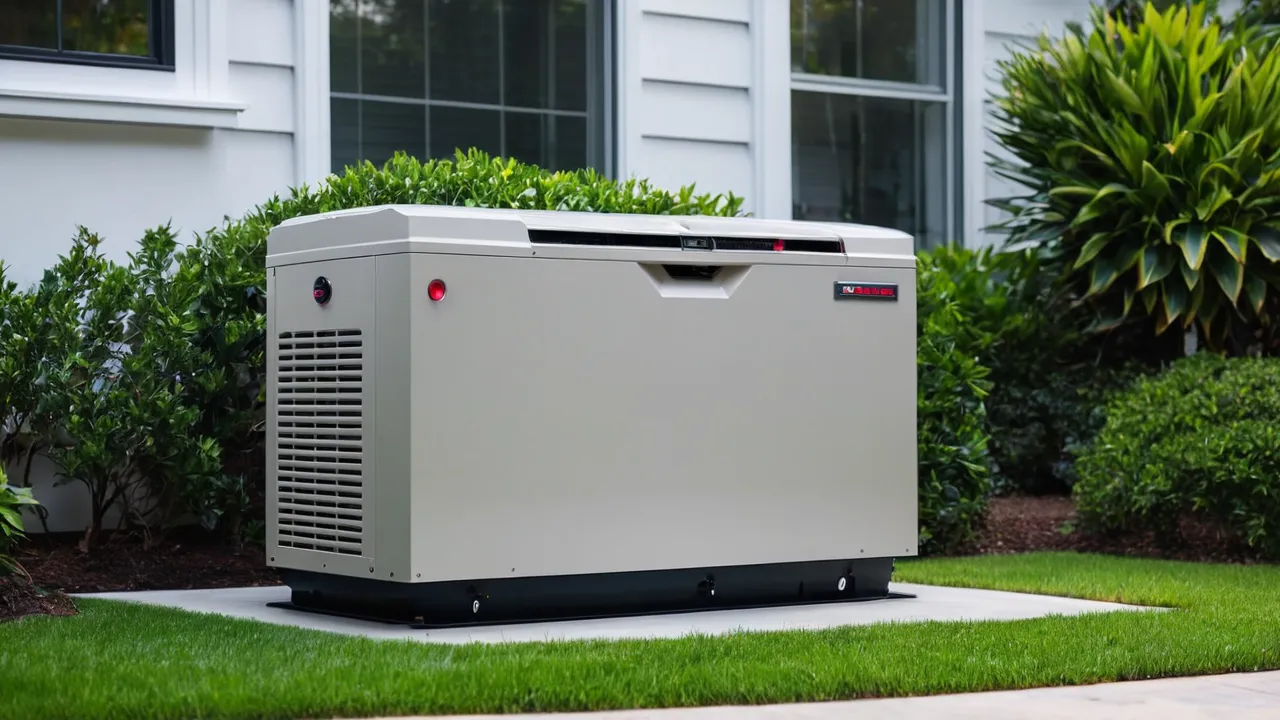
A standby generator maintenance schedule combines a weekly automatic exercise run, regular checks of oil, battery, and the enclosure, and a service visit by hours or by the calendar, whichever your manual says comes first. Typical items include oil and filter changes, air filter, spark plugs, battery checks, and a post-outage inspection, but intervals differ by make and model, so your manual and your service agreement set the real numbers.
This guide explains hours versus calendar intervals, what the weekly exercise does, a routine you can follow, how to judge a service plan, and the common mistakes. Treat any interval here as a general pattern. Browse our whole-home generators category for models, visit the power and energy section for related guides, and read how we review for how we treat specifications. Gas, electrical, and engine repairs belong to licensed technicians.
Hours Versus Calendar: Which Applies
Engines wear with running hours, and fluids and rubber age with time. Maintenance schedules therefore list both, such as an oil change after a certain number of hours or once a year, whichever comes first. A standby generator that runs mostly in short exercise cycles accumulates hours slowly, so the calendar limit usually applies first. After a long outage with many hours of running, the hours limit may arrive early.
Find the hour meter on the controller and check it after each outage. Write the reading in your log. If the manual lists a service interval in hours, compare the reading to it, and schedule service sooner if you are close.
The Weekly Exercise Run
Most standby units run an automatic exercise cycle, commonly weekly for a short period, to circulate oil, charge the starter battery, and reveal problems early. Some cycles run unloaded, and some transfer the house to generator power briefly, depending on the setup. The controller records the result and shows alarms. Set the exercise for a time that does not disturb neighbors and does not coincide with big household loads, and keep the area around the unit clear.
Check the display after each run for warnings, and listen for unusual noises. If the cycle fails, do not ignore it. Contact your service provider. A generator that fails its exercise would likely fail in an outage. Many controllers store a fault history, so ask your technician to read it at each visit, which can reveal intermittent problems that never showed an alarm on the day you looked.
A Routine You Can Follow
| Interval | Task |
|---|---|
| Weekly | Confirm the exercise run completed, read the display for alarms |
| Monthly | Look over the enclosure, clear debris and vegetation, check for leaks, pests, and rust |
| Every few months | Check oil level as the manual describes, and check the battery terminals |
| Annually or by hours | Oil and filter change, air filter, spark plugs, a full inspection, and battery check |
| Every few years | Replace the starter battery, and follow the manual for coolant or other items |
| After a long outage | Check oil, filters, fuel supply, and run hours, then schedule service if needed |
Items that require opening the engine, handling fuel lines, or electrical connections belong to a trained technician. Owners typically handle visual checks and housekeeping. If your manual lists additional items, such as a valve adjustment, a coolant change, or a belt inspection, add them to the table with the interval it gives, and share the list with your service provider so you both work from the same document. A schedule that lives on one sheet is far more likely to be followed than one that lives in three manuals.
A Worked Example of One Year
Imagine a generator that exercises weekly for twelve minutes. Over a year that is about 52 runs and roughly ten hours of exercise. If the manual calls for an oil change every 100 hours or once a year, the calendar limit arrives first, and the annual service handles it. Now imagine a storm outage that runs the unit for 80 hours in one week. The hour meter jumps, and the 100 hour limit is now close. The owner checks the oil level, notes the reading, and books service soon after the outage instead of waiting for the anniversary. The numbers here are illustrations, so read your own manual for the actual intervals.
The Starting Battery
The most common cause of a failed start is a weak battery. Batteries lose capacity with age and heat, and a charger keeps them topped up, so check that the charger works. Look for corrosion and loose terminals, and replace the battery on the schedule in the manual, often every few years. Cold weather reduces starting power, so older batteries fail first in winter. Ask your technician to check battery health at each visit.
Fuel, Gas Supply, and Cooling
For natural gas, confirm that the shutoff valve stays open and the supply has not changed after utility work. For propane, check the tank level and refill before storm season. Keep the intake and exhaust clear. Air cooled units need open airflow, and liquid cooled units need coolant at the right level, which a technician should check. Vegetation, snow, and debris around the enclosure can choke airflow, so clear them regularly.
Cold and Hot Weather Considerations
Cold thickens oil, weakens batteries, and can freeze condensation in vents and air intakes. Many units offer a cold weather kit, with a battery warmer and an oil heater, so check whether your climate calls for one, and confirm the manual’s recommendation. Snow should be cleared from around the unit and from vents without damaging the enclosure. In hot climates, high ambient temperature reduces cooling margin and ages the battery faster. Keep vegetation back, avoid blocking airflow, and ask your technician about shading or ventilation guidance. Humid and coastal areas add corrosion, so inspect the enclosure and fasteners more often.
Keeping a Log That Helps
A simple log makes service easier and warranty claims smoother. Record the date of each exercise check, the hour meter reading, oil level notes, battery age, service visits, and any alarms or odd noises. After each outage, note how many hours it ran. Keep it in a folder with the manual and the warranty. When a technician arrives, you can show the history in a minute, and patterns such as a slow-starting engine become visible before they become failures.
Common Maintenance Mistakes
- Skipping annual service because the generator seems fine.
- Ignoring a failed exercise alarm.
- Letting the starter battery age past its life.
- Blocking airflow with shrubs, snow, or stored items.
- Running out of propane before the storm season.
- Using an unauthorized service provider and risking the warranty.
Each of these is cheap to avoid and expensive to ignore. A reminder on your phone calendar for the service date and a monthly walk around the unit take only a few minutes.
Safety and Professional Work
Do not open the engine compartment or handle fuel lines unless the manual says it is safe for owners. Turn off the unit’s automatic start, following the manual, before any work near moving parts, since the generator can start without warning. Keep carbon monoxide alarms working in the house. If you smell gas, leave the building and call the gas supplier from outside. Use licensed technicians for gas, electrical, and engine work.
After a Long Outage
After a long run, check the oil level, since engines burn some oil, and inspect for leaks. Look at the air filter, the enclosure, and any alarms stored in the controller. Record the hour meter. Refill propane if needed. If the unit ran for many hours, schedule the service early rather than waiting for the calendar. A short checklist after each outage can prevent the next failure.
Evaluating a Service Plan
- Visit frequency, and whether the visit matches the manual’s schedule.
- Parts and labor covered, including oil, filters, spark plugs, and the battery.
- Response time after storms, and priority for plan members.
- Authorized service, since some warranties require it.
- What happens if a repair is needed outside the plan.
A buy-once lens favors plans that follow the manual, document each visit, and keep the warranty valid. Ask for a sample service report, and keep every report with your records.
Frequently Asked Questions
How often should a standby generator be serviced?
Typically once a year or after a set number of running hours, whichever comes first, but the manual sets the interval. Units in dusty, coastal, or hot environments may need more frequent checks. Keep service records, because the warranty may depend on them.
How long should a standby generator exercise each week?
Many units run for roughly ten to twenty minutes once a week, but the length is set by the manufacturer’s controller. The exercise circulates oil and charges the battery. Check the manual for your model, and confirm the cycle runs and ends without alarms.
Can I maintain a standby generator myself?
You can do visual checks, clear debris, and review the display. Oil changes, spark plugs, and filters are within reach for some owners if the manual explains them, but gas, electrical, and warranty-sensitive work should go to a licensed technician. Keep records either way.
Final Thoughts
Maintenance comes down to the weekly exercise, a few visual checks, a battery watch, an annual service, and an inspection after long outages. Follow the manual, keep a log, choose a service plan that matches the schedule, and call a licensed technician for anything beyond visual checks.
Related buying guides
- Transfer Switch vs Interlock Kit Explained
- What Size Whole House Generator Do You Need
- Whole House vs Essential Circuits Generator Setup
About the author

The BuyOnceChoice Editorial Team researches durable products worth buying once. Our guides compare published specifications, warranty terms, expert review consensus, and verified owner feedback. We do not conduct our own product trials. See How We Review and our Editorial Policy for our standards.