Stand Mixer Size Guide: Bowl Quarts by Batch
Match bowl size to the batches you bake most. This guide gives batch rules, dough weight limits, and counter checks so you buy the right capacity.
 By BuyOnceChoice Editorial Team
Updated November 16, 2026
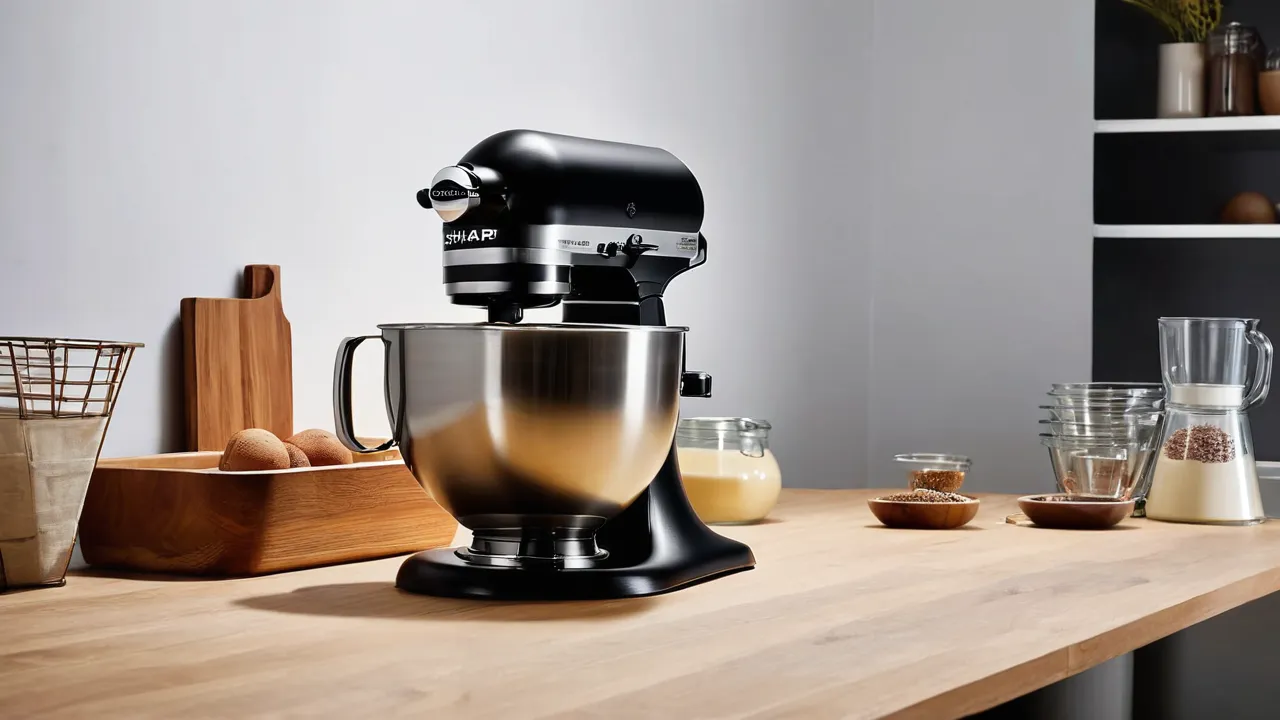
For a stand mixer size guide, work from your largest regular batch: a 3 to 4 quart bowl suits small households and occasional baking, a 4.5 to 5 quart bowl handles most family cooking, and a 6 to 8 quart bowl fits frequent bread, double batches, and large gatherings. Pick the size by the dough or batter you mix most often, not by the biggest holiday recipe.
How Bowl Size Is Measured
Bowl size is given in quarts, a measure of the liquid volume the bowl can hold when filled to the rim. A quart is four cups, so a 5 quart bowl holds about 20 cups of liquid. You will never fill a bowl to the rim, because batter and dough need room to move and rise, and a mixer needs clearance for the beater.
A sensible working rule is to fill a bowl to no more than about two thirds for batters and creams, and to follow the manual’s flour limit for dough. A 5 quart bowl therefore handles roughly 13 cups of batter comfortably, and dough limits are lower, since dough is dense.
Sizes are rounded, and the usable capacity varies by bowl shape. A tall, narrow bowl and a wide, shallow bowl of the same quart rating behave differently, so check the stated dimensions as well as the quarts.
Size Categories
| Bowl size | Typical user | What it handles |
|---|---|---|
| 3 to 4 quarts | Small households, occasional baking | Single batch cookies, small cakes, whipped cream, small bread batches |
| 4.5 to 5 quarts | Most families | Standard cookie and cake batches, most bread loaves, mashed potatoes |
| 6 to 7 quarts | Frequent bakers | Double batches, larger dough, bigger quantities |
| 8 quarts and up | Large households, small bakeries | Large doughs and quantities |
These are broad patterns, and capacity ratings vary by maker and motor. A model with a bigger bowl but a weak motor may not handle the heavier dough that its bowl could hold, so check the stated flour limit.
Match the Size to the Batch
Ask what you make most often and how much of it.
- Cookies: a single batch of drop cookies for a family fits in a 4 to 5 quart bowl. Double batches fit 6 quarts or more.
- Cakes and batters: one or two layers of cake batter fit easily in 4.5 to 5 quarts.
- Whipped cream and egg whites: small amounts need a bowl that is not too large, since a beater may not reach a small volume in a huge bowl. Check the manual for minimum quantities.
- Bread: look at the flour limit, not the bowl volume. Several loaves at once need a larger bowl and stronger drive.
- Mashed potatoes and shredding: a 5 quart bowl is generally enough for family meals.
- Pasta dough and specialty doughs: stiff doughs need a stronger drive more than a bigger bowl.
Method: Choose Your Size in Four Steps
1. List your three most common recipes and note the largest amount of flour or batter in each. 2. Convert the amount into volume if needed. For batters, estimate total cups, and multiply by 1.5 to leave headroom. For dough, note flour weight. 3. Convert to quarts by dividing cups by four. For example, 10 cups of batter times 1.5 is 15 cups, which is about 4 quarts. 4. Check the stated flour limit for your heaviest recipe against the manual or product page, and choose a model that covers it, with a margin.
If your answer falls between sizes, go up one size if you often scale recipes, or stay smaller if you rarely do. A mixer that is too large for small jobs can leave ingredients unmixed at the bottom, though most have adjustable beater height.
Size, Footprint, and Storage
Bigger bowls mean bigger machines. A bowl-lift model with a large bowl can be tall and heavy, and may not fit under standard cabinets. Tilt-head models need vertical room to lift the head. Measure the height, width, and depth of the mixer and the space you plan to keep it in, and check the weight if you plan to move it. Many cooks leave their mixer on the counter, but it still takes room.
Check the cord length and where the outlet is. Place the mixer on a stable, level surface away from the counter edge, since a heavy mixer can walk during stiff dough. Our stand mixer guides explain how types differ, and our best stand mixer roundup compares models. For related appliances, see the blender and mixer guides.
Worked Example: Three Kitchens
A couple who bake cookies and cakes a few times a month and make an occasional loaf choose a 4.5 to 5 quart tilt-head. It handles single batches, fits under a cabinet, and does not take much space. A family that bakes bread every week and makes double batches of cookies at holidays looks at a 6 quart bowl-lift model. A person who bakes for a farmers’ market chooses a larger bowl and a stronger drive, and checks the maker’s run-time guidance.
Common Sizing Mistakes
- Buying by quarts alone and ignoring the flour limit.
- Choosing the largest bowl for a rare holiday recipe.
- Forgetting height limits under cabinets.
- Ignoring weight, then struggling to lift a heavy bowl.
- Choosing a bowl too big for whipping small quantities.
- Assuming a bigger bowl always means a stronger motor.
We compare mixers using published specifications and research, so always confirm figures in the maker’s manual.
Bowl Material, Shape, and Accessories
Bowls come in stainless steel, glass, and ceramic, and the material changes weight and handling. Stainless is light and durable, glass lets you see the mix and is heavier, and ceramic looks attractive but can chip. Look at the handle, since a bowl with a handle is easier to lift when full. Check whether a second bowl is sold separately, which is useful when you make a batter and then a frosting back to back. Consider the accessories that come with the mixer: a flat beater, a dough hook, and a whisk cover most tasks, and optional attachments such as a pouring shield, a pasta roller, or a grinder add uses but also require the right hub and power.
Small Batches and Minimum Quantities
A large bowl is not ideal for very small jobs. If you whip one egg white or a half cup of cream, the whisk may not reach the liquid, and you will end up scraping and whisking by hand. Most manuals describe minimum amounts for whipping and say how to adjust the beater height. If most of your cooking involves small quantities, a smaller bowl, or even a hand mixer, can be a better fit. A compact mixer with a 3 to 4 quart bowl is also easier to store, and it is enough for many households that bake occasionally.
When to Move Up a Size
Move to a larger mixer when you regularly hit the limits of your current one. Signs include splitting batches in two, a motor that strains on normal dough, a bowl that overflows during mixing, or recipes you skip because they will not fit. If you bake once a month, work around the limit. If you bake weekly or more, the larger size will pay for itself in time and wear. When shopping for a bigger model, check that the new mixer fits your counter and cabinets, and that attachments and bowls from your old model are not needed, since many are not interchangeable between sizes.
Quick Reference: Batch Sizes Against Bowl Sizes
Use this as a rough planning aid and confirm against your own manual. A small bowl suits one batch of cookies, a single cake, or whipped cream for a few servings. A mid-size bowl suits a family-size batch of cookie dough, two cake layers, mashed potatoes for a crowd, or a loaf or two of bread within the stated flour limit. A large bowl suits double batches, several loaves, and large quantities of frosting or meringue. If a recipe fills more than about two thirds of the bowl, scale it down or mix in two rounds, because overfilling splatters ingredients and strains the motor.
Frequently Asked Questions
What size stand mixer do I need for a family of four?
A 4.5 to 5 quart bowl is usually enough for a family of four, handling single batches of cookies, cakes, and bread. If you bake bread weekly or make double batches, consider 6 quarts. Check the flour limit for yeast dough in the manual.
Is a 5 quart or 6 quart stand mixer better?
A 5 quart model is the common choice for most households. A 6 quart suits frequent bakers who make double batches or stiff dough. The better pick depends on your largest regular batch, your counter space, and your tolerance for extra weight.
Can a stand mixer be too big?
Yes. A large bowl can leave small amounts of cream or egg whites out of reach of the whisk, and a heavy machine takes more space and is harder to move. Choose the size that fits your usual batch, not the largest you might ever make.
How many cups of flour can a 5 quart mixer handle?
It depends on the model, so check the manual for the stated flour limit for yeast dough. Bowl quarts alone do not decide it. Stiff doughs generally call for a lower amount than soft doughs, so leave a margin below the stated maximum.
Final Thoughts: Size for Your Usual Batch
Choose the bowl that fits the batch you make most, confirm the flour limit for dough, and measure your counter and cabinet. A 5 quart model suits most households, and a 6 quart or larger model suits frequent bakers.
Related buying guides
- Stand Mixer vs Hand Mixer: Who Needs Which
- Tilt Head vs Bowl Lift Stand Mixer: Which to Buy?
- Blender Jar Material: Glass, Plastic, or Stainless
About the author

The BuyOnceChoice Editorial Team researches durable products worth buying once. Our guides compare published specifications, warranty terms, expert review consensus, and verified owner feedback. We do not conduct our own product trials. See How We Review and our Editorial Policy for our standards.